Water Damage
Water Damage Checklist for Fort Lauderdale Homeowners
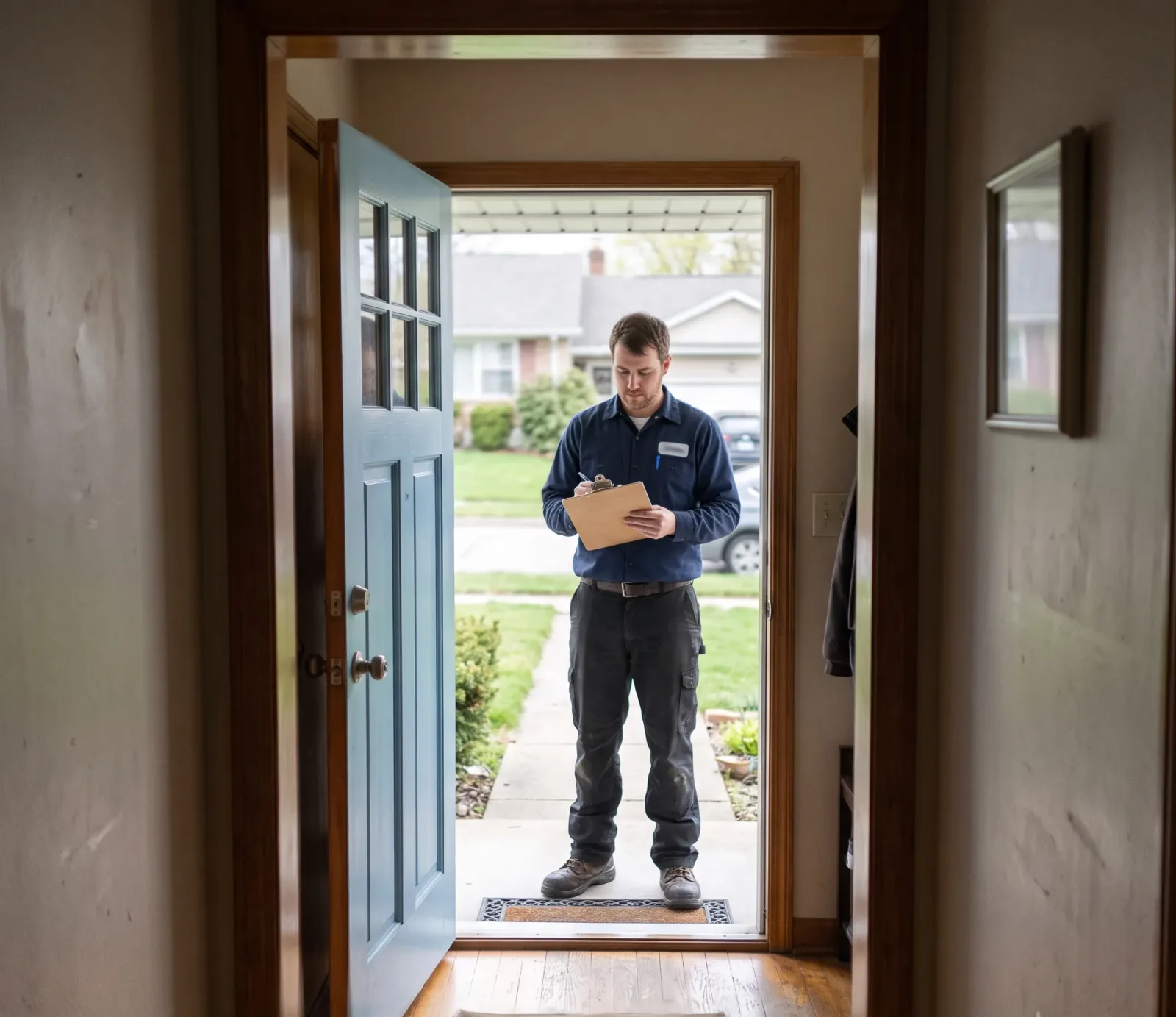
The first minutes after water starts spreading matter. Here is a short, safe checklist for Fort Lauderdale homeowners to follow while waiting for help to arrive.
Read article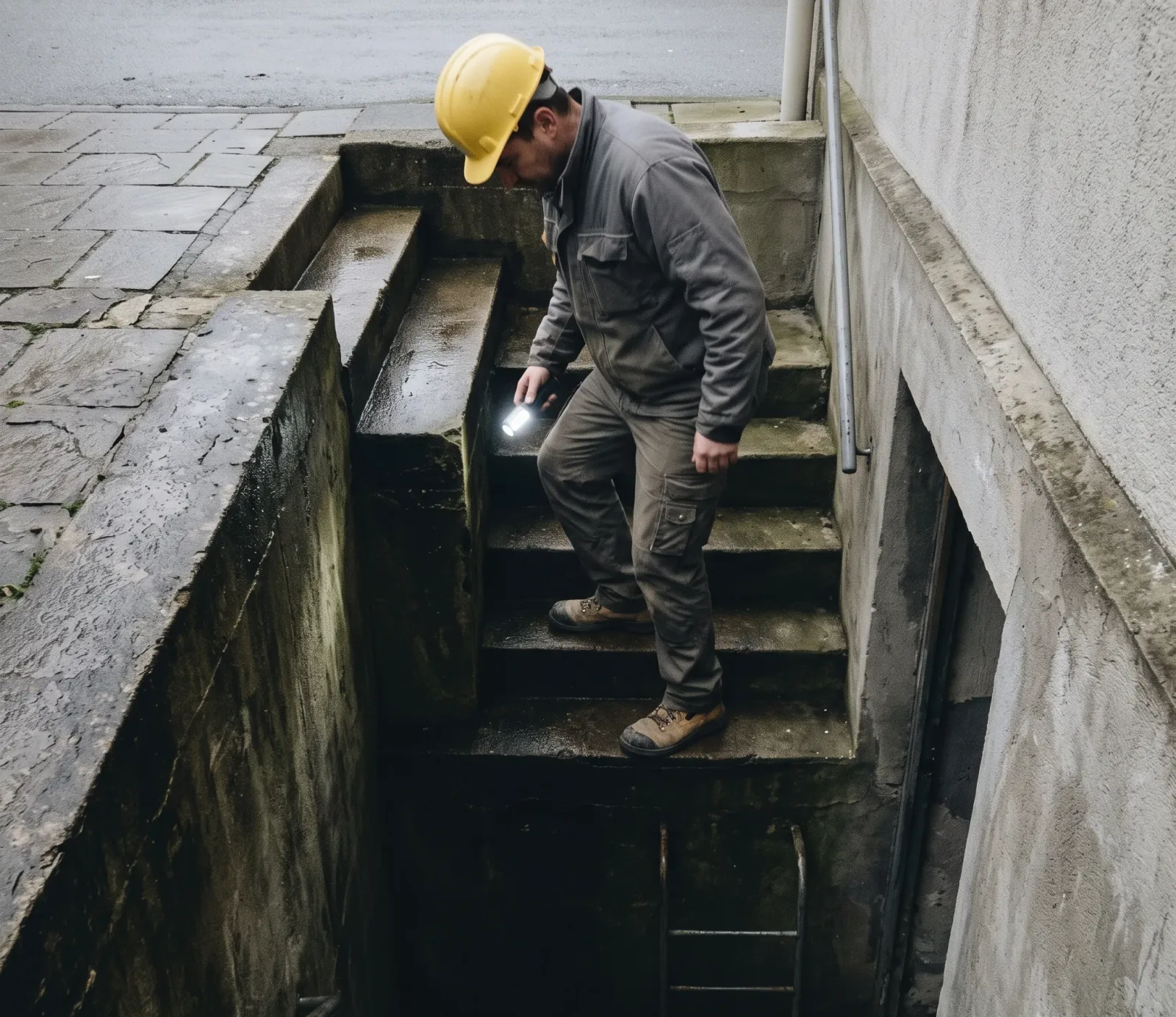
These guides answer what to do in the first hour after water shows up on your floor, from a canal-front home in Harbor Beach to a condo near the Intracoastal. Fort Lauderdale sits low, on a slab, with a shallow water table, so ground-level flooding behaves differently here than the advice written for basements up north.
These guides are for people, not search engines: a Victoria Park condo owner drying out a flat roof leak, a Coral Ridge family bracing before hurricane season, a Tamarac renter unsure who to call. Each one answers a single question plainly, points to the licensed pros we connect you with, and skips anything that reads like it was written for Ohio.
Condo owners in Harbor Beach and single-family owners near the New River are not solving the same problem, so the guides do not treat them as one reader. Some cover what a Broward County claim adjuster will ask for; others explain why a slab foundation dries slower than the drywall above it. Pick the one that matches your situation.
The first minutes after water starts spreading matter. Here is a short, safe checklist for Fort Lauderdale homeowners to follow while waiting for help to arrive.
Read article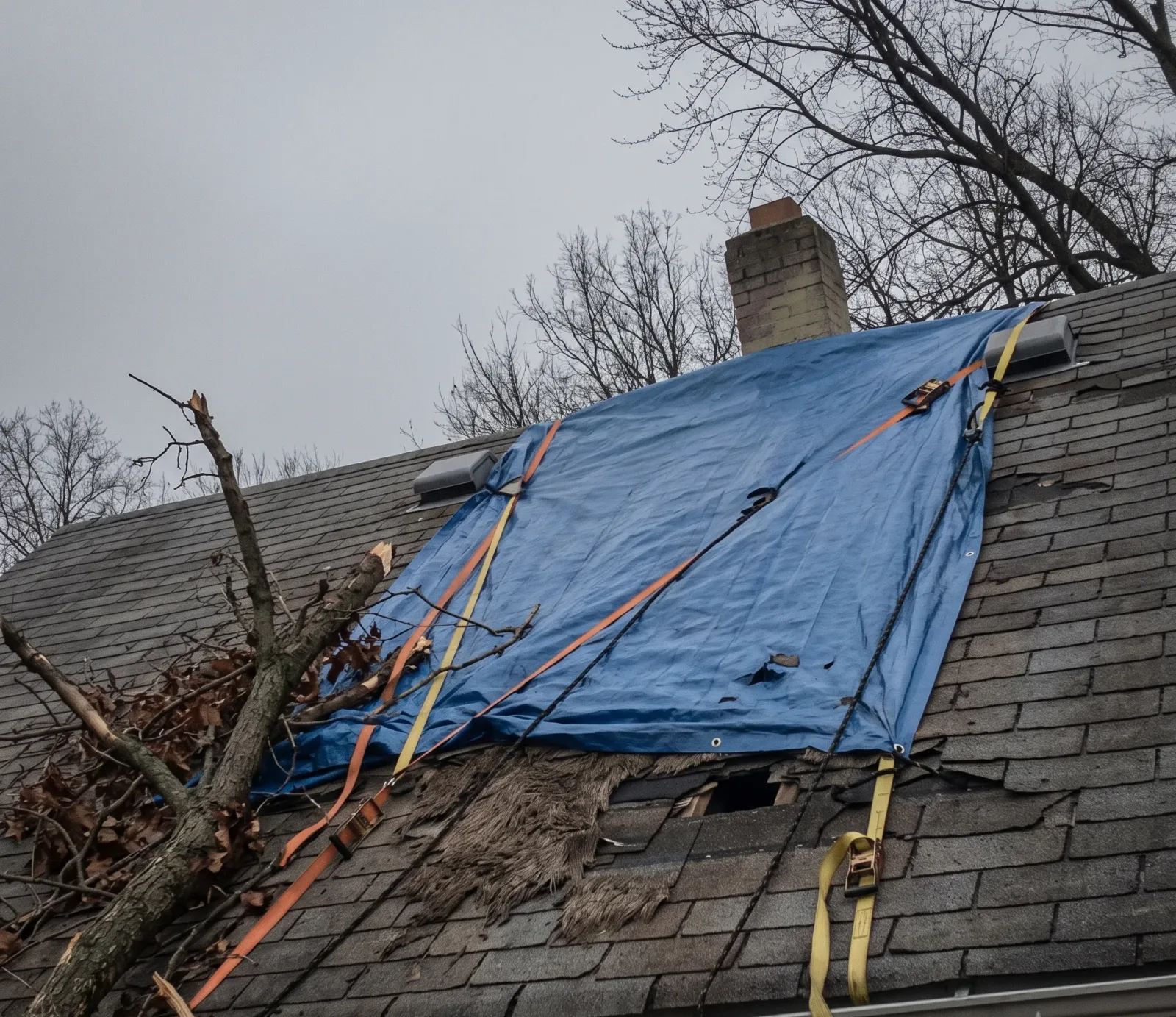
Storm surge is flood damage, not wind damage, and a standard homeowners policy in Fort Lauderdale typically excludes it. Here is what actually covers surge.
Read article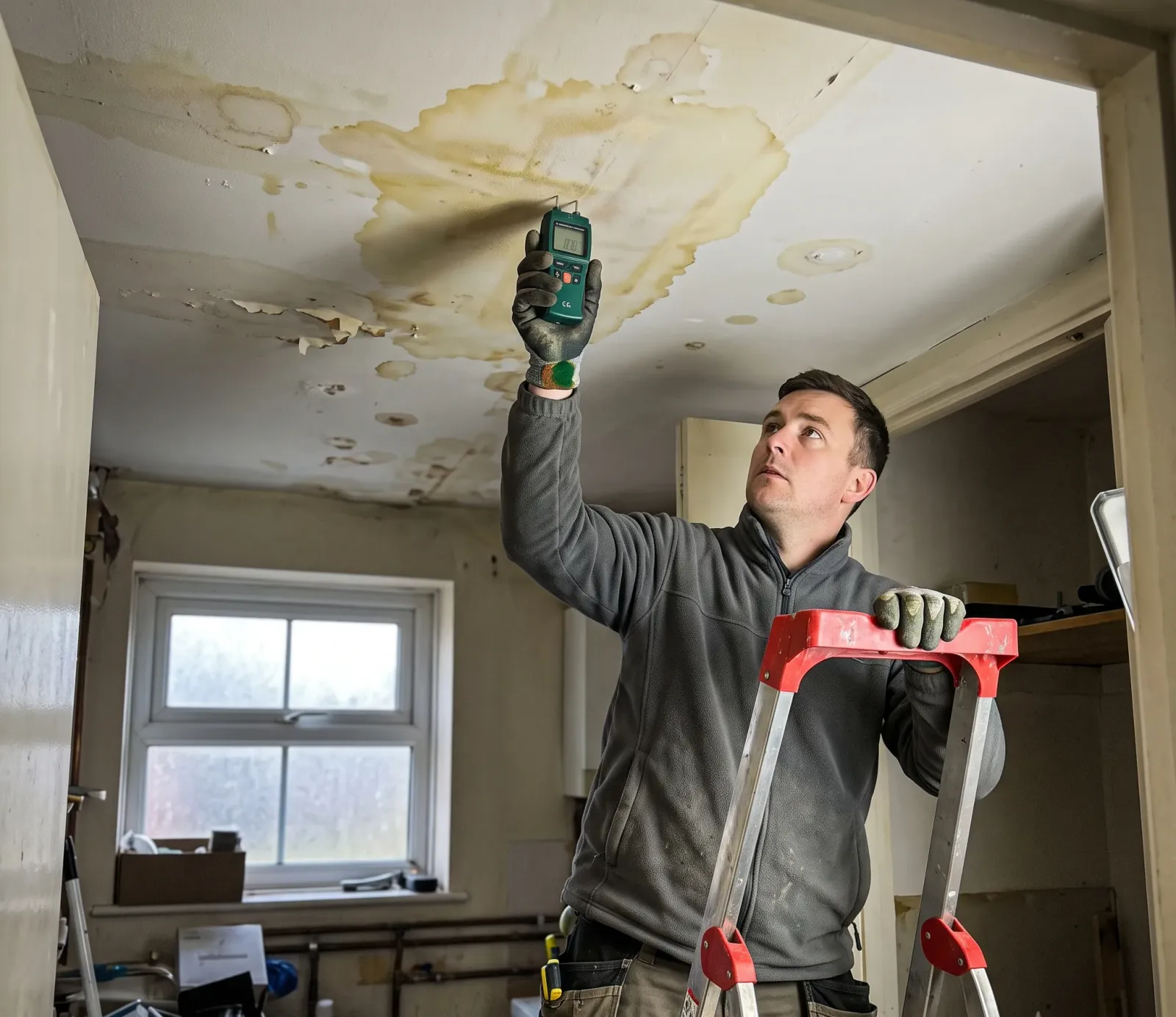
Pin and pinless moisture meters read differently and serve different materials. Here is how each one proves a Fort Lauderdale home has actually reached dry standard.
Read article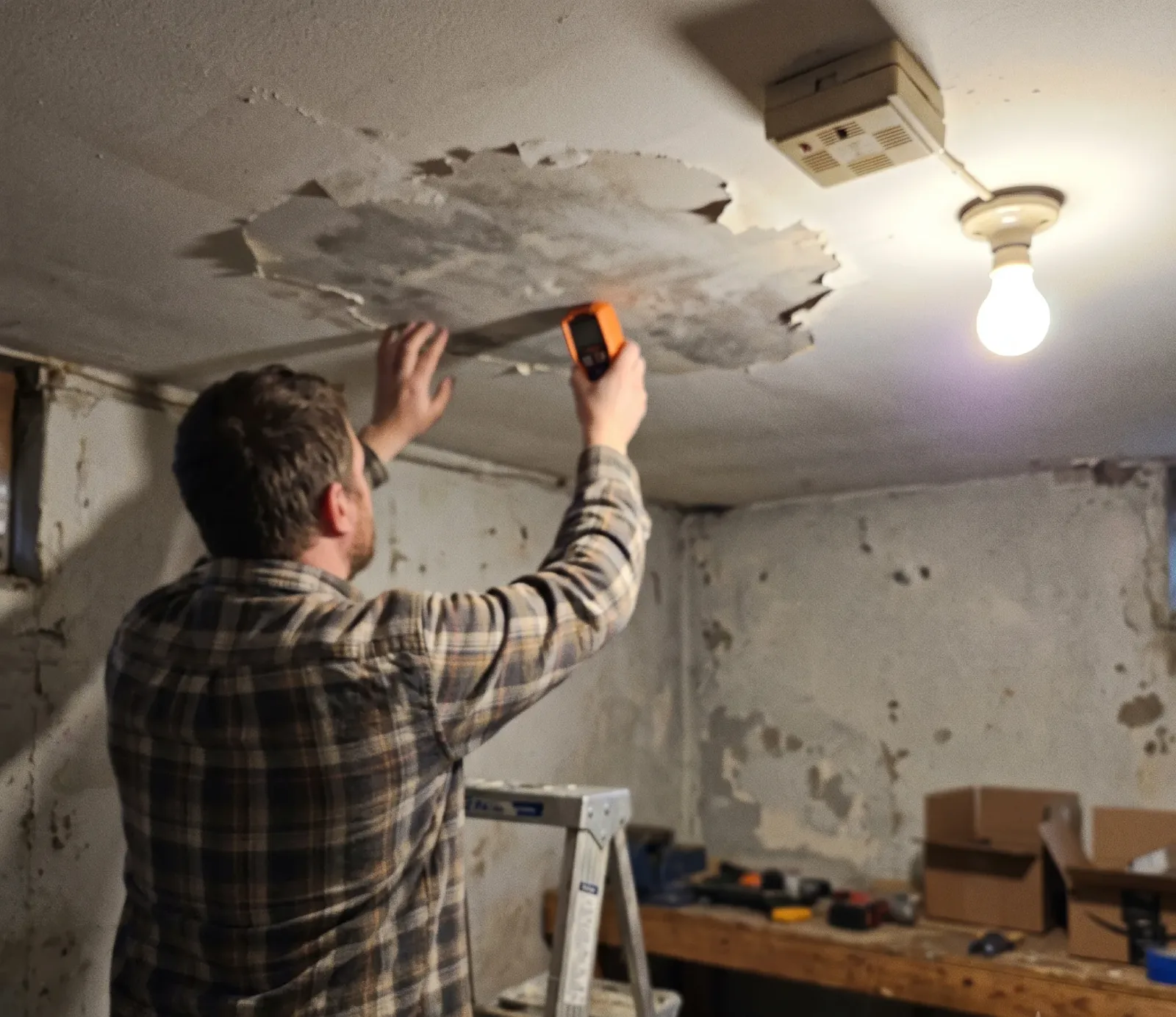
How infrared cameras read temperature differences to find hidden moisture behind walls and under flooring without cutting anything open.
Read article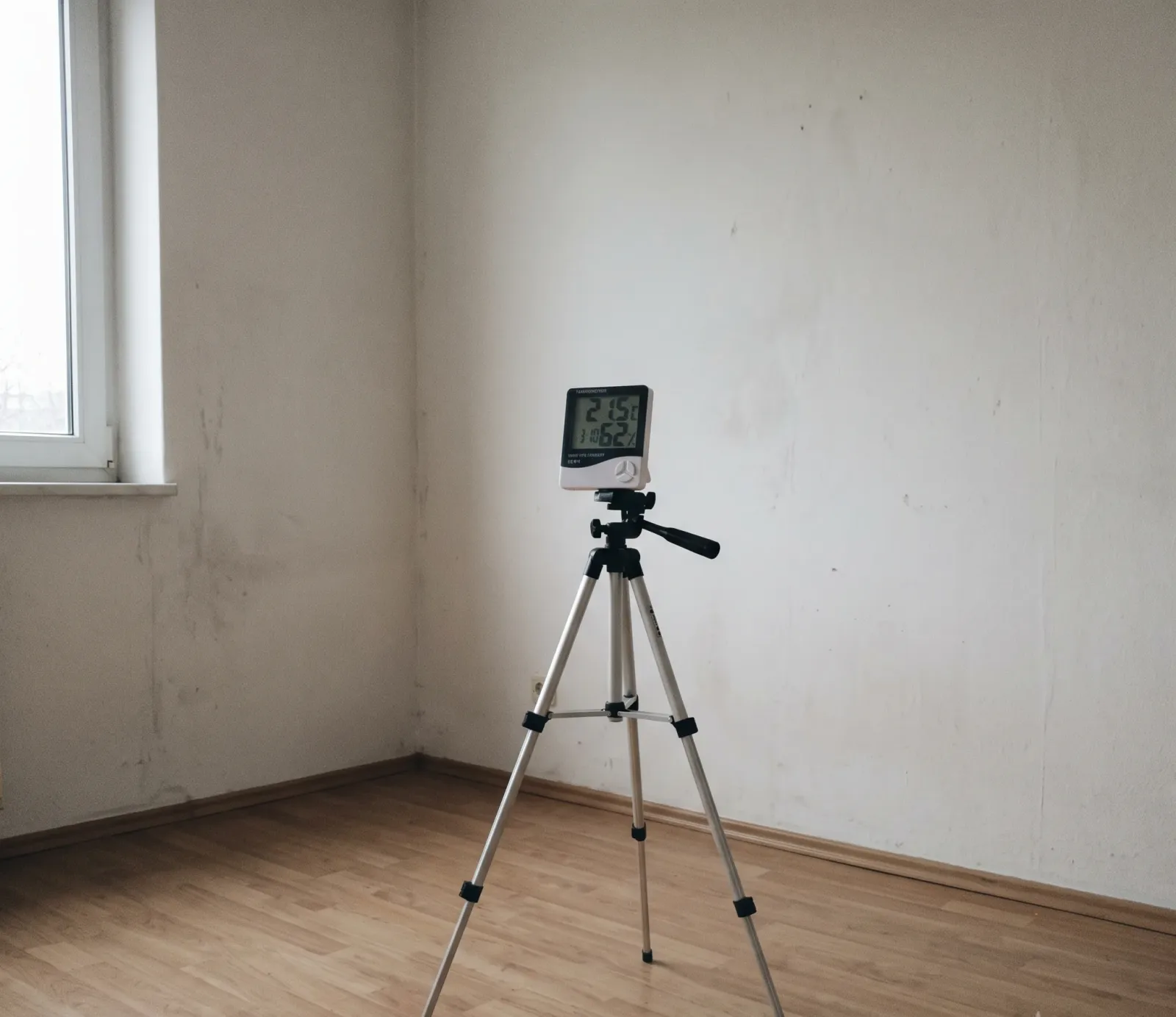
Fort Lauderdale's humid air slows how fast wet floors and walls actually dry, and explains why a fan alone rarely finishes the job here.
Read article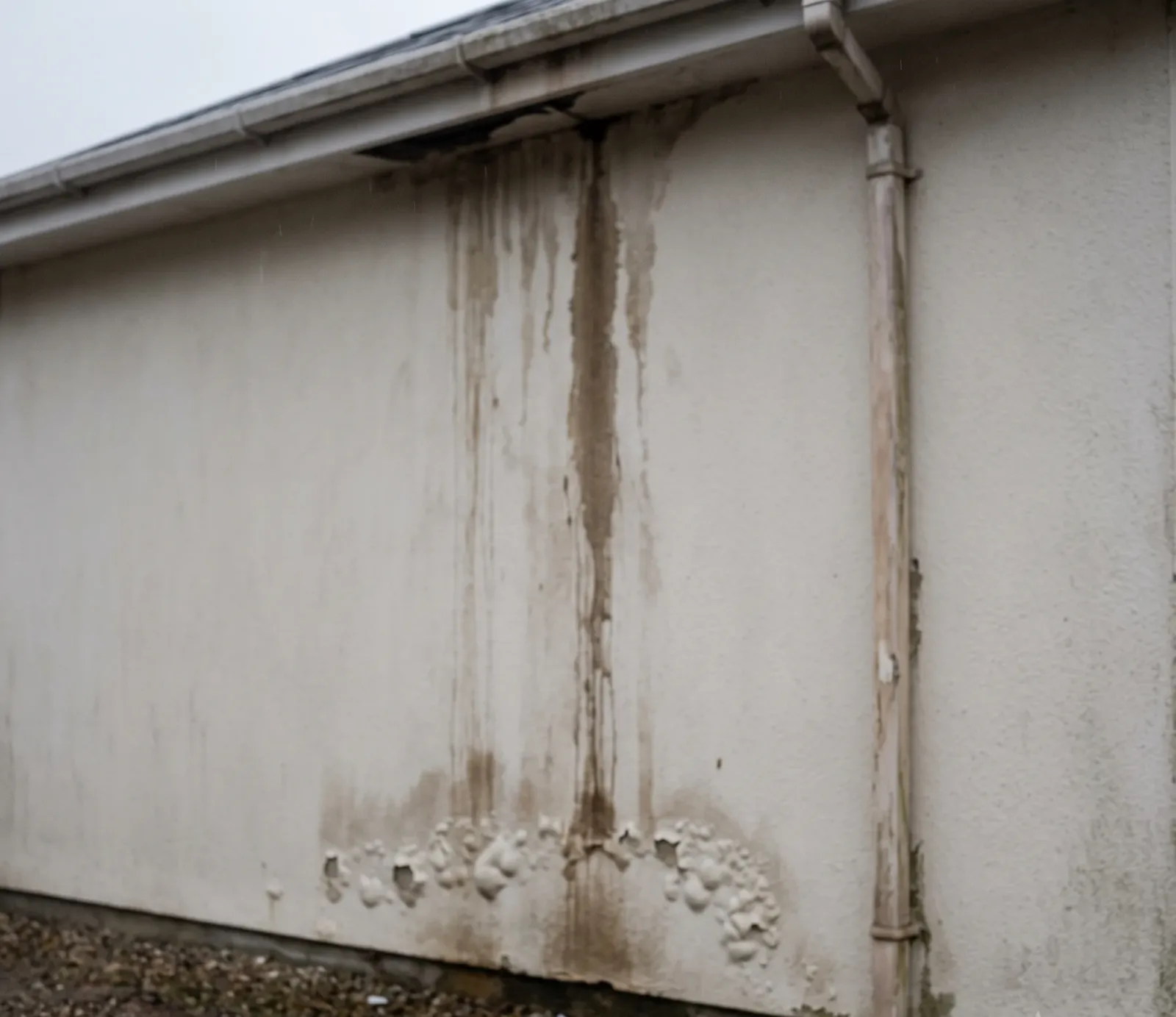
A clogged gutter or a downspout too close to the foundation can soak a Fort Lauderdale wall for weeks before it shows. Here is what actually works.
Read article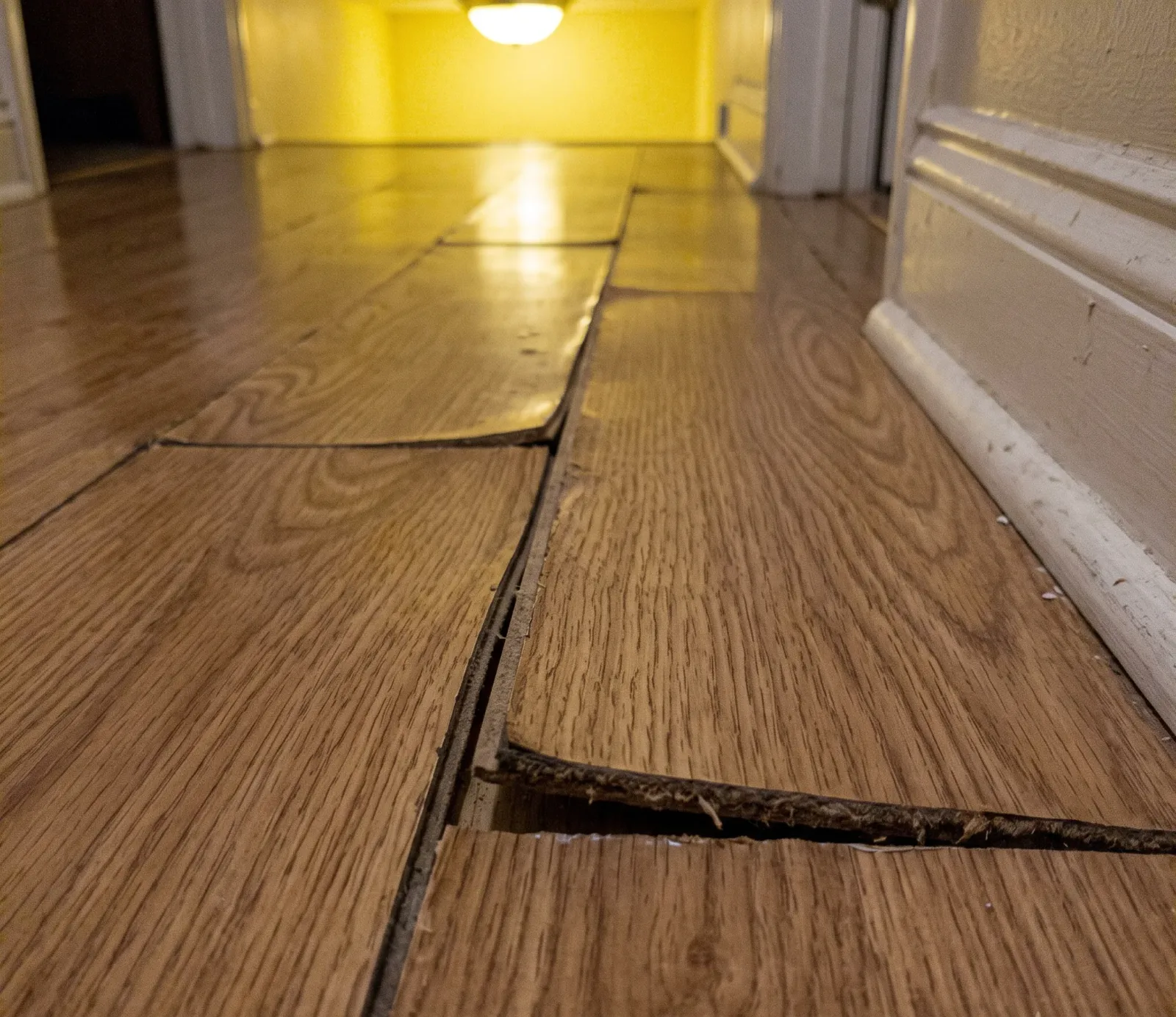
Recurring sewer backups in older Fort Lauderdale homes often trace back to aging cast iron pipe. Here's why the corrosion pattern keeps repeating.
Read article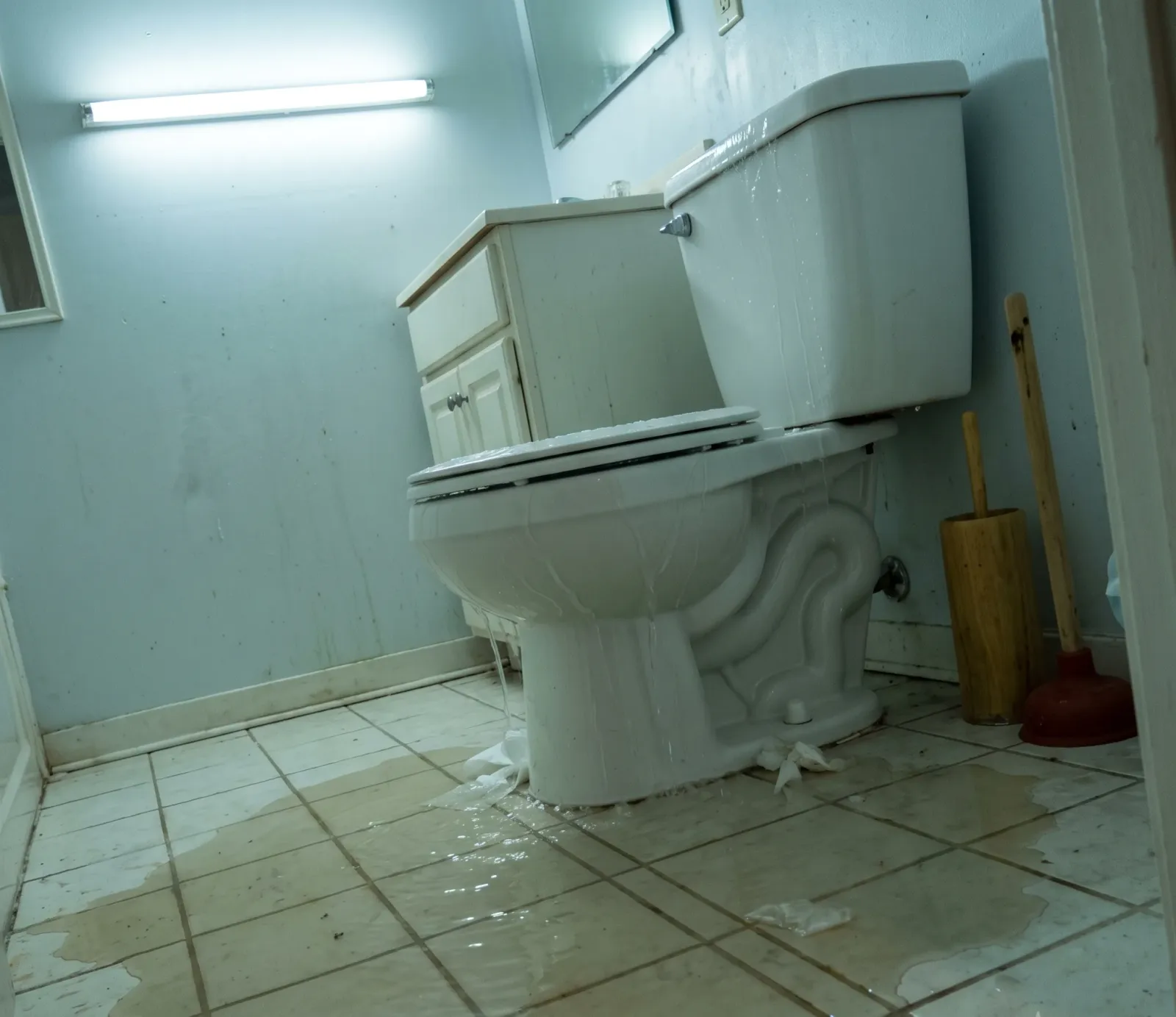
A sewage backup in your Fort Lauderdale bathroom calls for fast, careful containment. Here is what to do with gloves, a plunger, and ventilation before the pros arrive.
Read article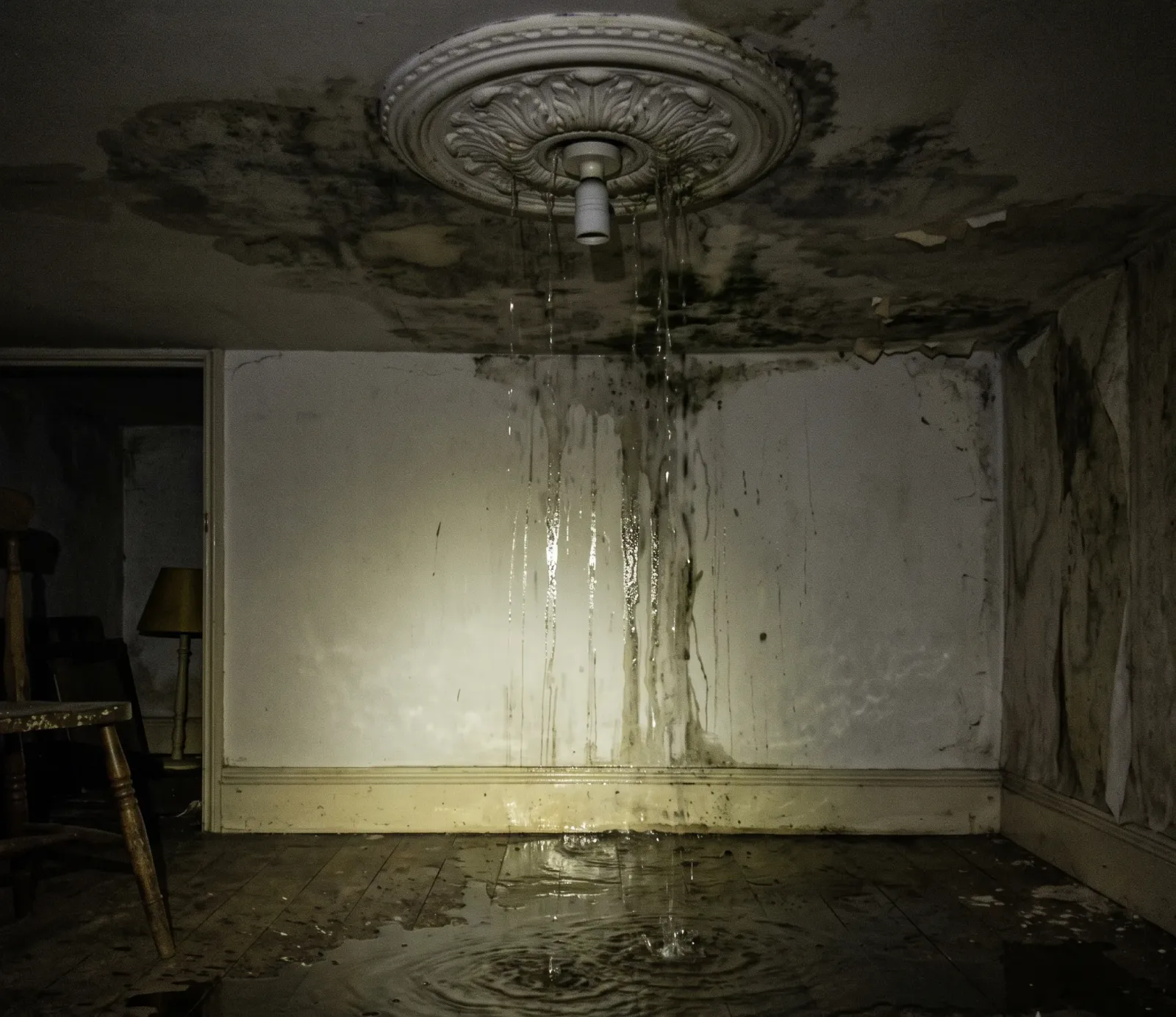
AC condensation and a hidden plumbing or roof leak can look almost the same on a Fort Lauderdale wall or ceiling. Here's how to tell which one you're looking at.
Read article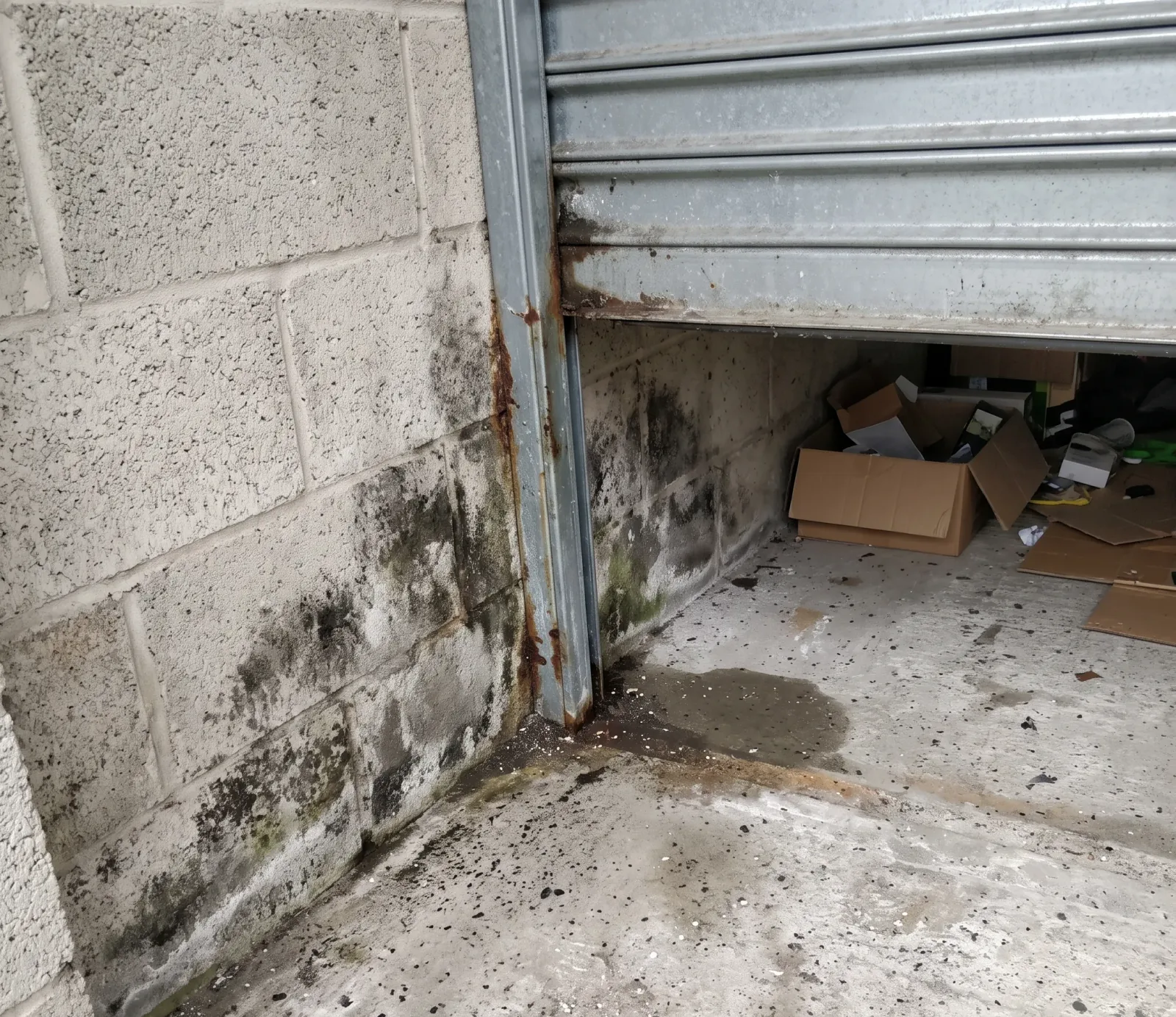
Stachybotrys, mycotoxins, and the toxic mold myth explained plainly, including who is actually at risk and what a dark patch on the wall really means.
Read article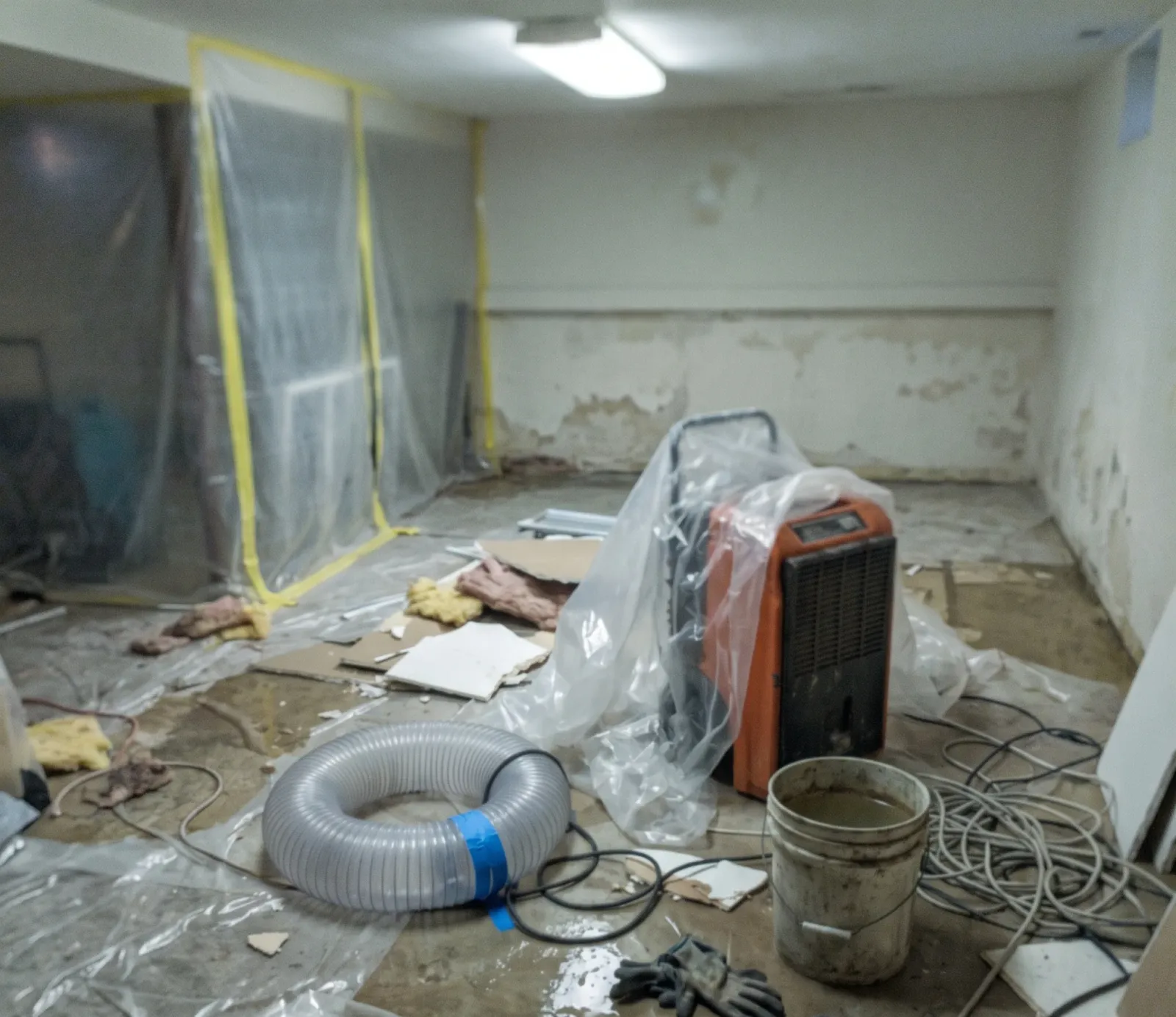
Cleaning a moldy wall rarely fixes anything if the water behind it never dried out. Here is why the same spot keeps coming back.
Read article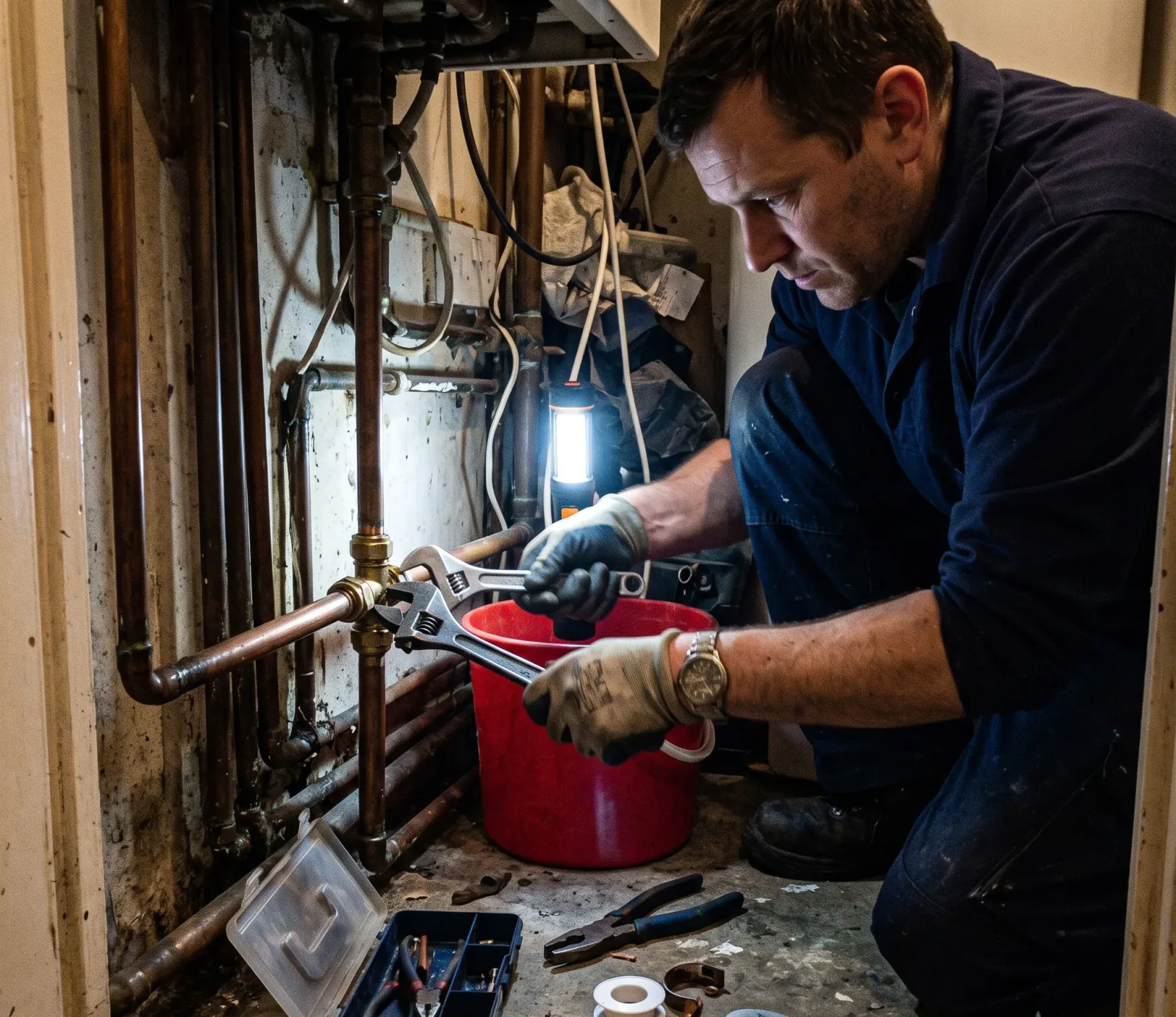
A staff or independent adjuster works for the insurer. A public adjuster works for you. Here's what that difference actually changes in a Fort Lauderdale claim.
Read article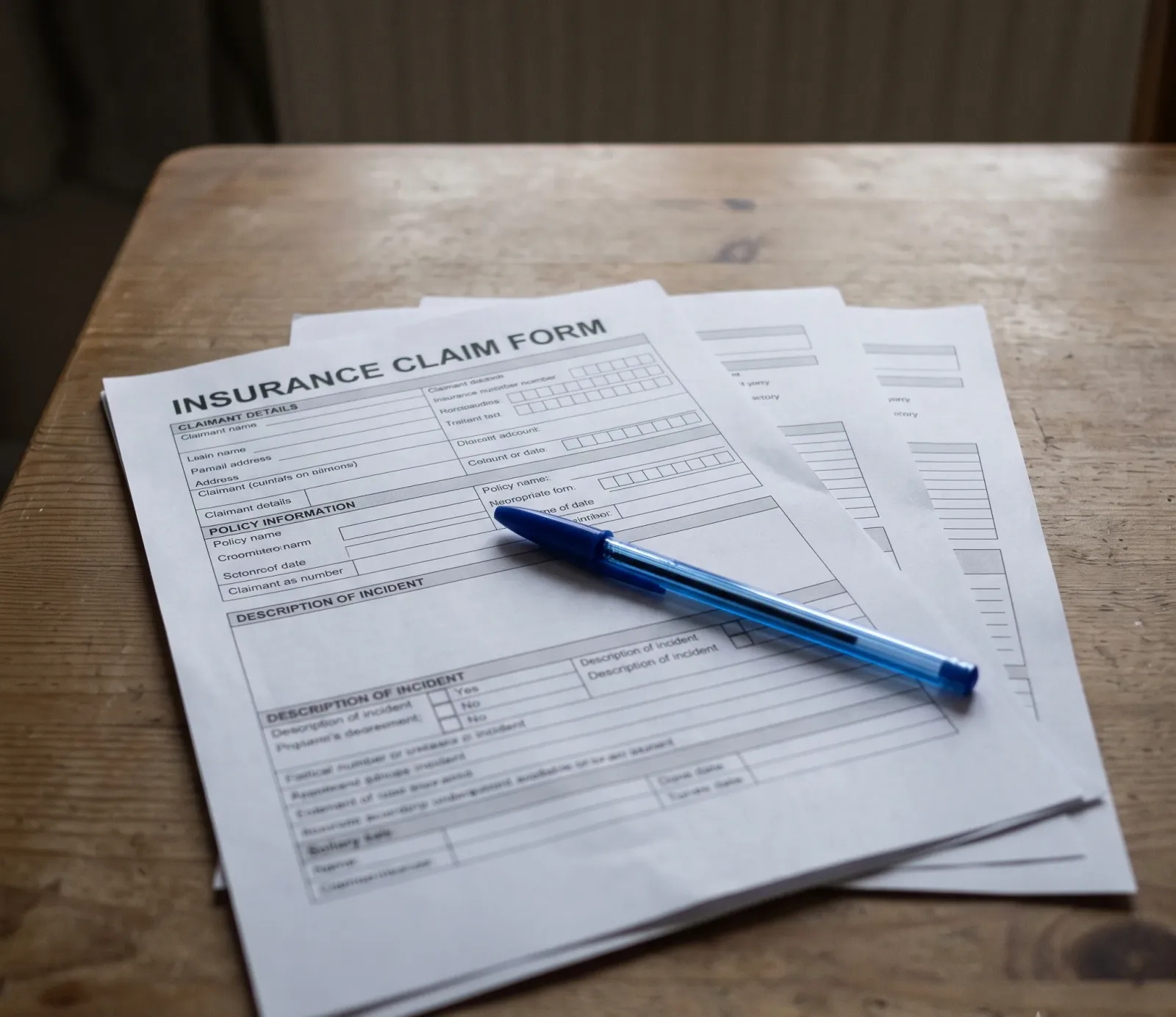
A wide shot, then a close-up photo of every damaged item, with a timestamp and moisture reading noted, gives Fort Lauderdale homeowners a record insurers can't easily dispute.
Read article
What Florida law actually requires when a Fort Lauderdale landlord's rental unit floods, from written notice through habitability standards and tenant remedies.
Read article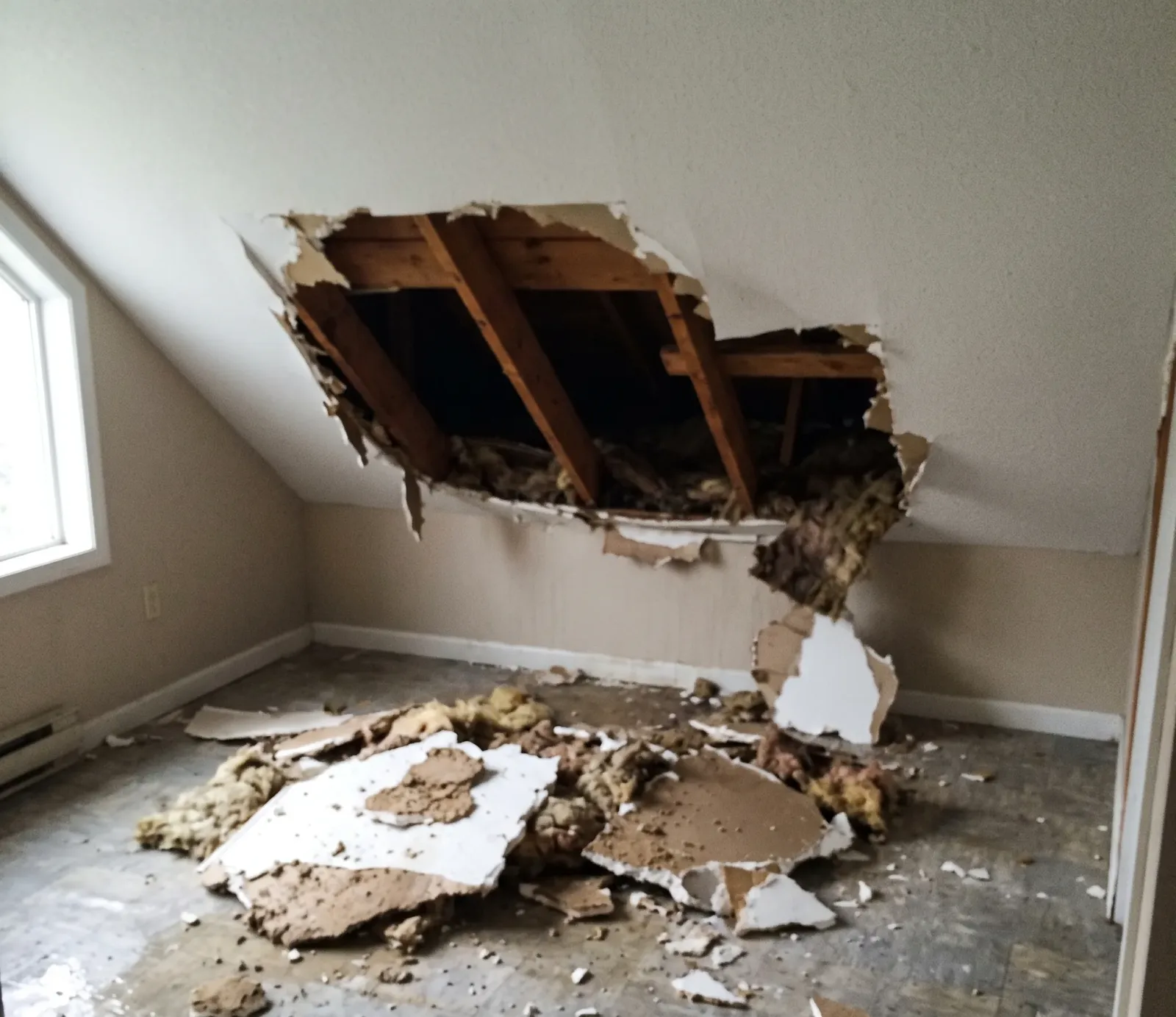
Condo bylaws and governing documents split water damage costs between the association board's master policy and each Fort Lauderdale unit owner's own coverage. Here is how that line usually falls.
Read article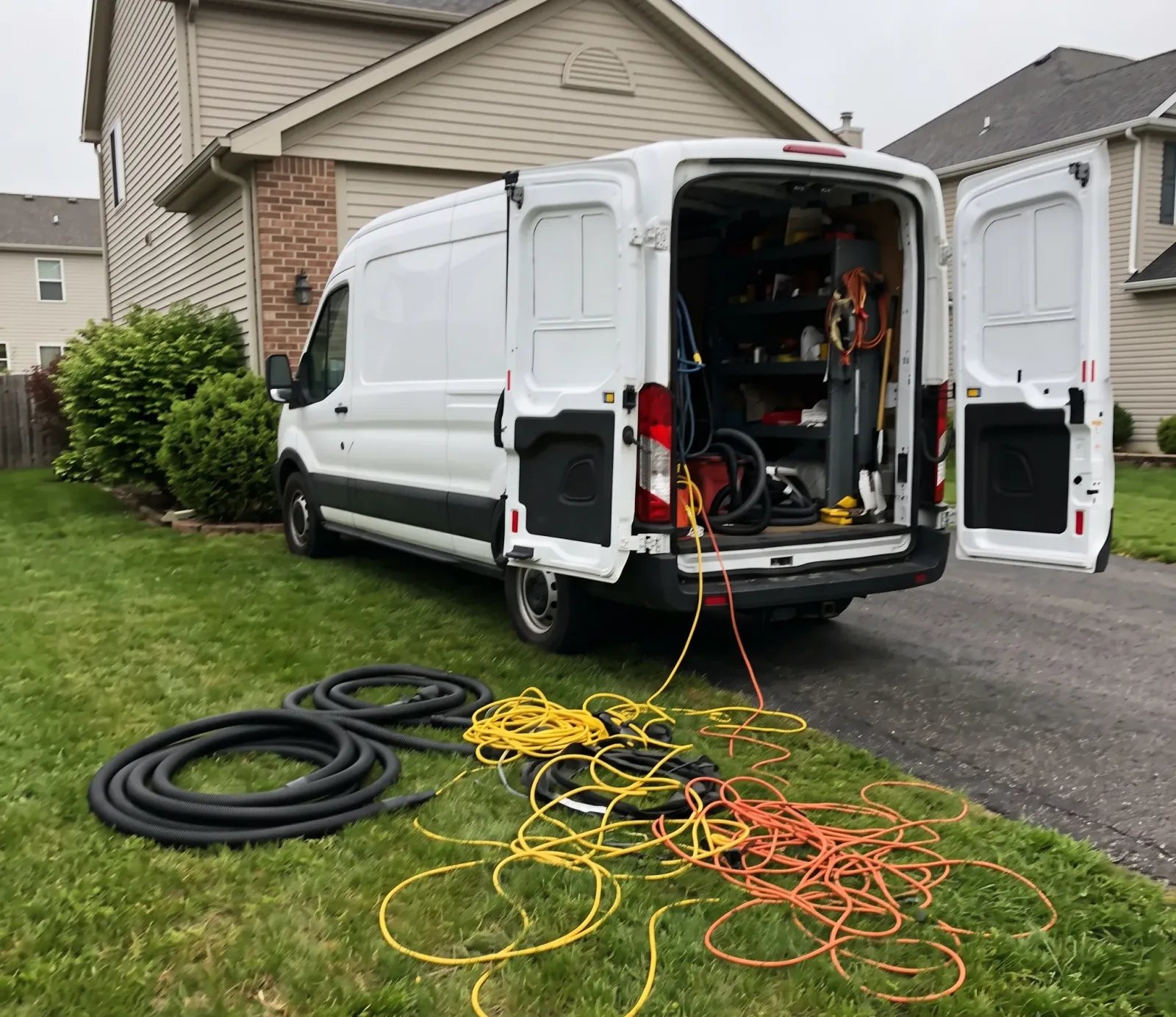
Why a Fort Lauderdale home smells musty between rains, and how to tell ordinary dampness from hidden mold behind a wall or under damp carpet near Las Olas or Rio Vista.
Read article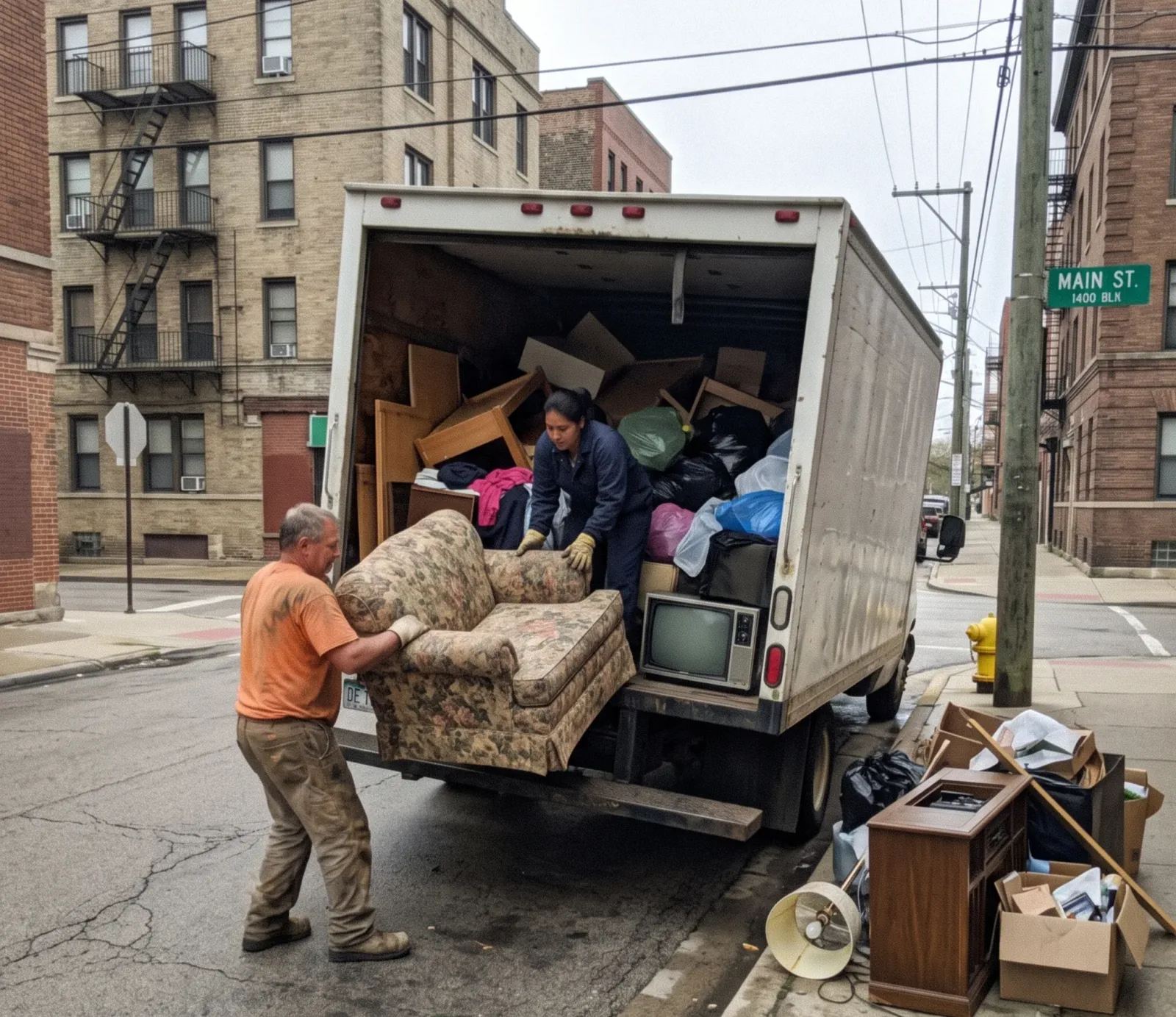
Fort Lauderdale streets flood before yards do. Here's why the city's flat land, high water table, and king tides work against fast drainage.
Read article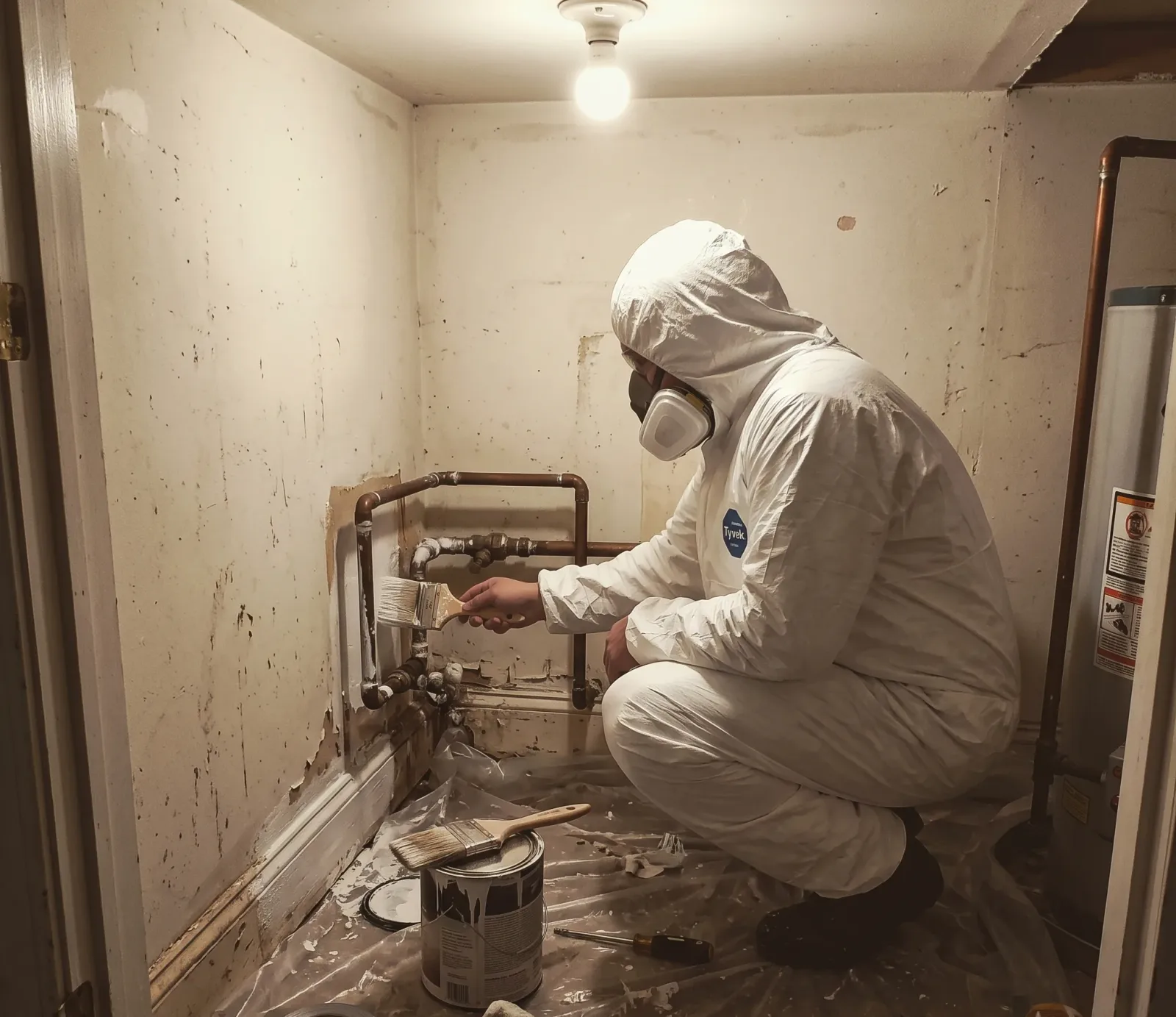
A water heater burst sends gallons across your floor fast. Here is how to shut off the water, cut the power, and limit the damage before it spreads.
Read article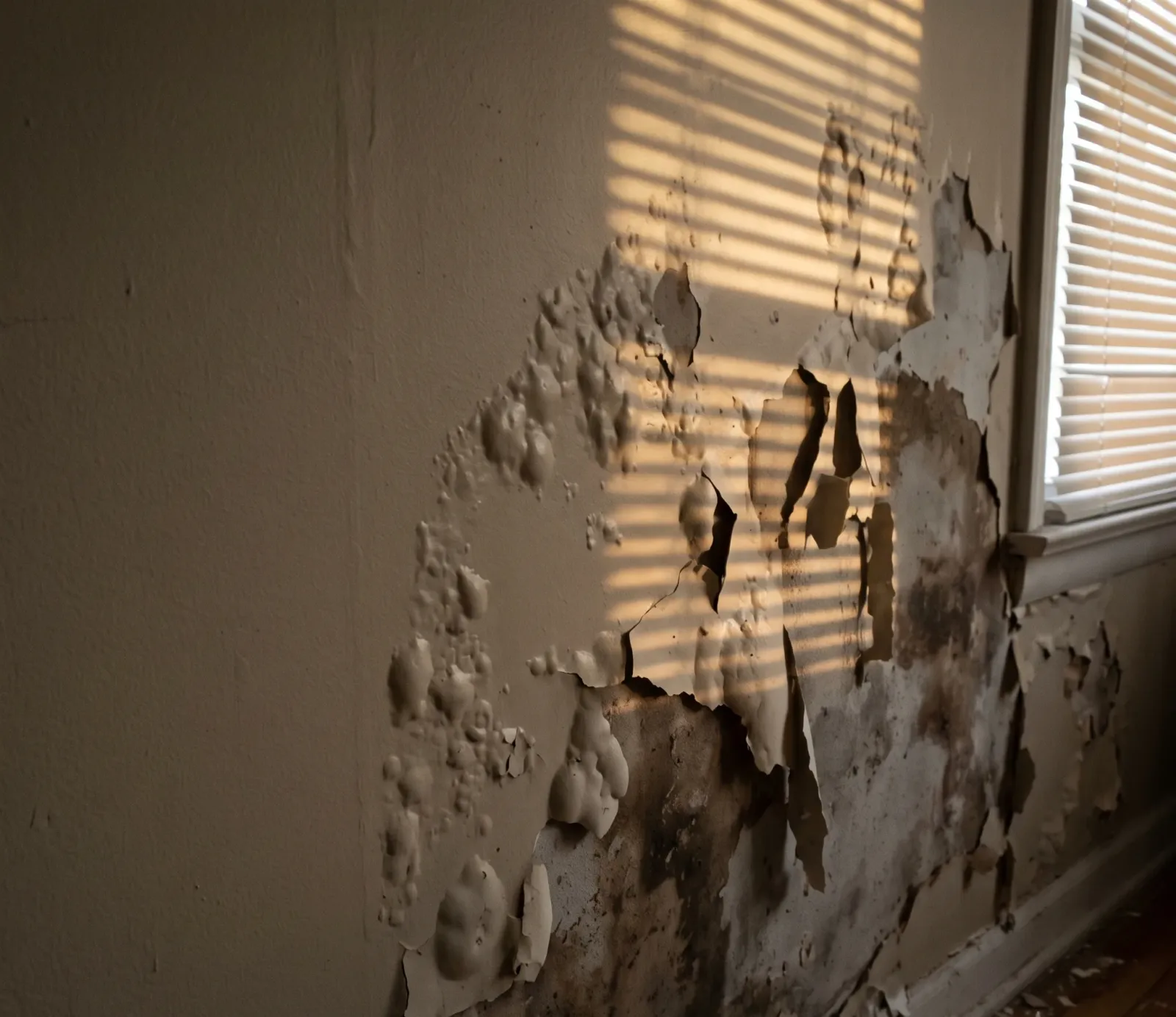
Discoloration on a wall or a floor that feels different underfoot can mean water is already inside your Fort Lauderdale home. Here's what those small signs are actually telling you.
Read articleFort Lauderdale flooding moves fast because homes sit on slab foundations near the New River or the Intracoastal, so water reaches drywall and flooring within minutes, not hours. A tropical downpour or king tide push near Las Olas Isles or Rio Vista can leave standing water on a slab before anyone gets home to see it. Call quickly so drying starts before moisture climbs further into walls and cabinetry.
In Fort Lauderdale, drying almost never stops at the surface. Homes sit on concrete slabs with a shallow water table underneath, so moisture keeps working upward into the slab long after standing water is gone. Near the New River or a canal-front lot, that lag is worse. Expect equipment running three to five days, sometimes longer, with the licensed pros we connect you with tracking the readings before calling a room dry.
Usually not the same day, and that is normal, not a red flag. After a King tide backup or a burst near the New River, the licensed pros we connect you with dry the slab first, often three to five days with fans and dehumidifiers running, before flooring or drywall goes back in. Full repairs near Victoria Park or Harbor Beach can run one to three weeks depending on how far water traveled under cabinetry and how long it sat before anyone called.
Every article here started with a real question a Fort Lauderdale homeowner asked after water got into a place it shouldn't have. Some came from king tide flooding near Las Olas Isles, others from a tropical downpour overwhelming a flat roof in Melrose Park. The licensed pros we connect you with helped shape the answers so they hold up against Florida's slab foundations and shallow water table, not a generic national script. Read what applies to your situation, then call (954) 910-2507.
Call (954) 910-2507