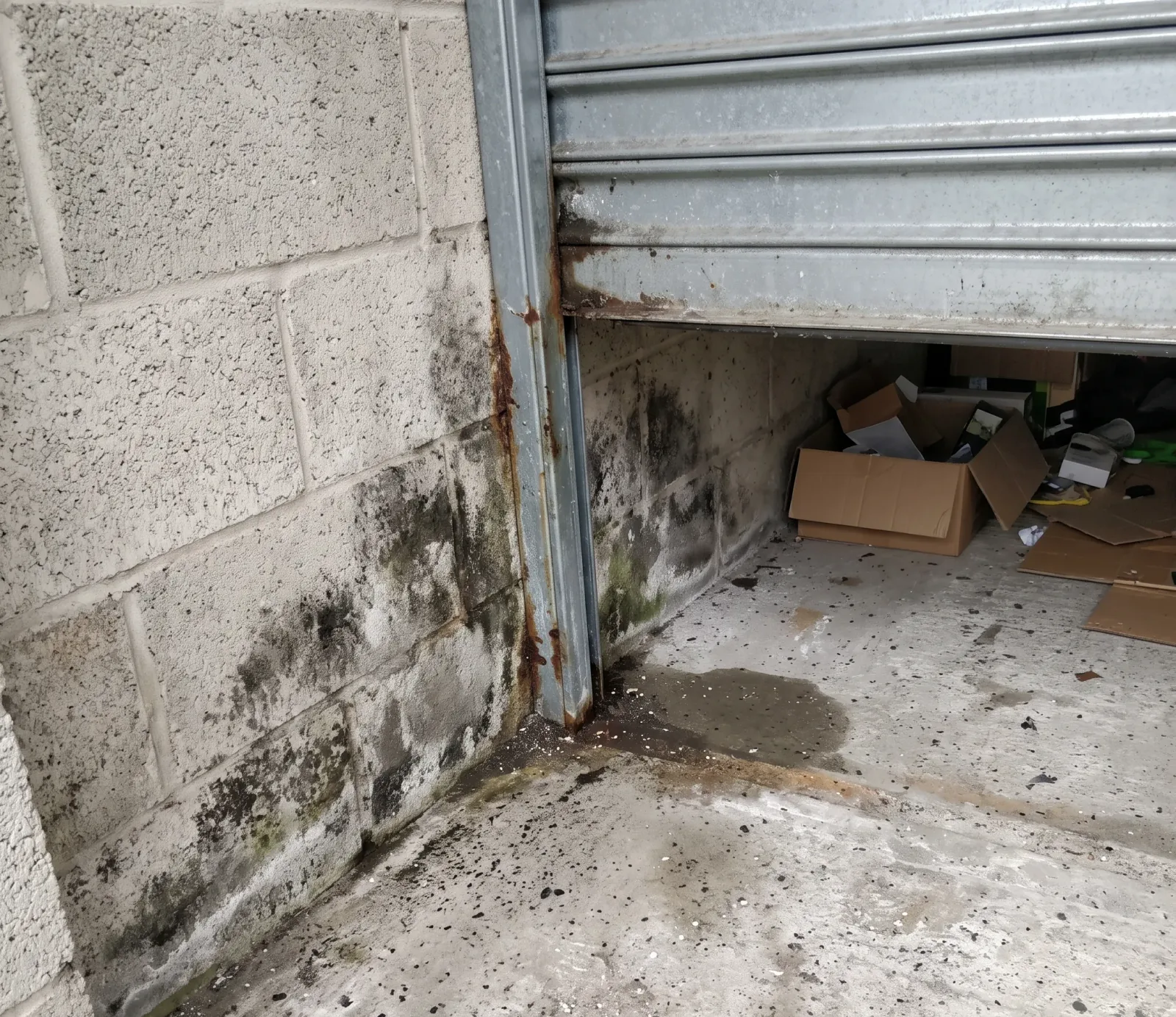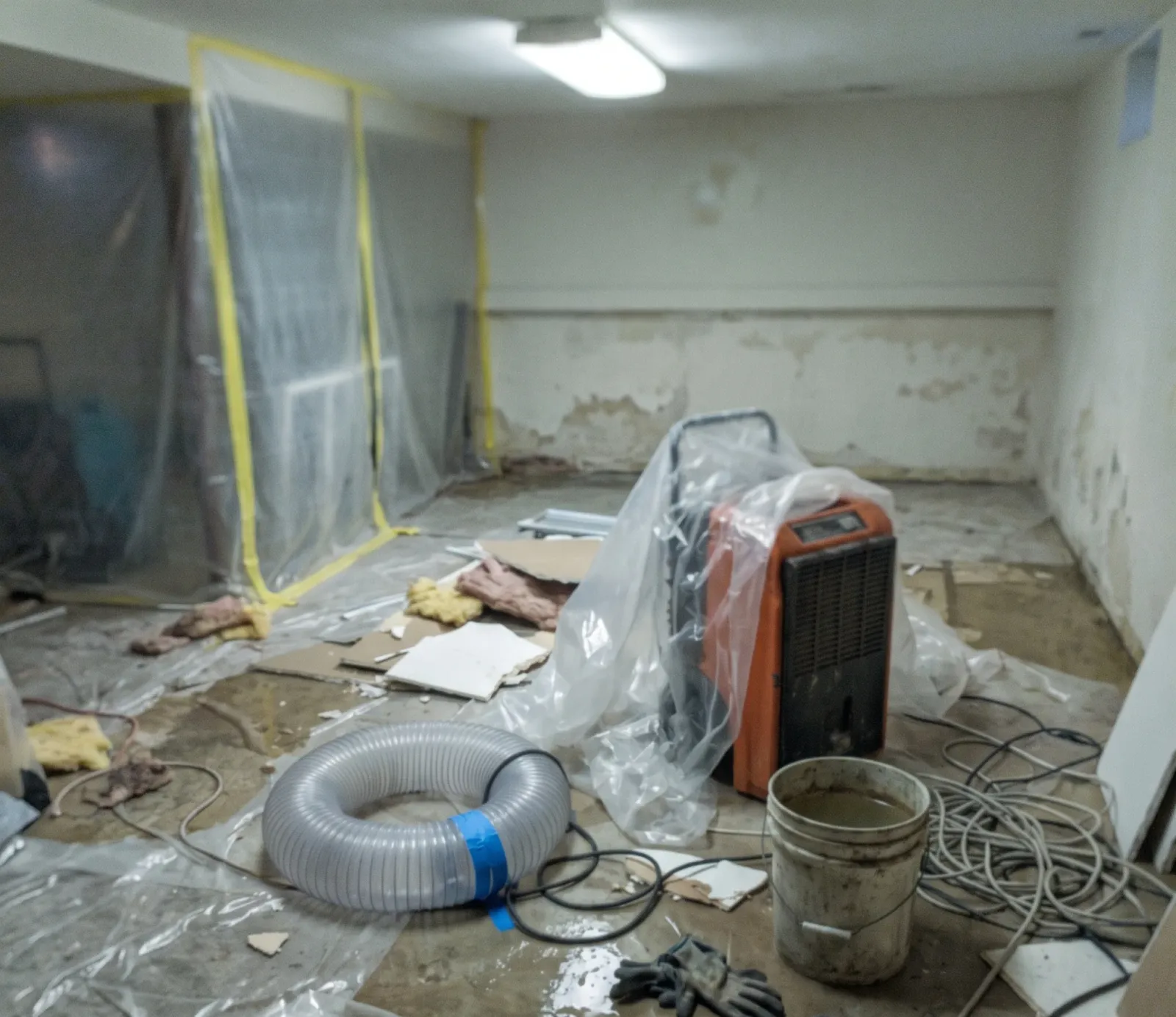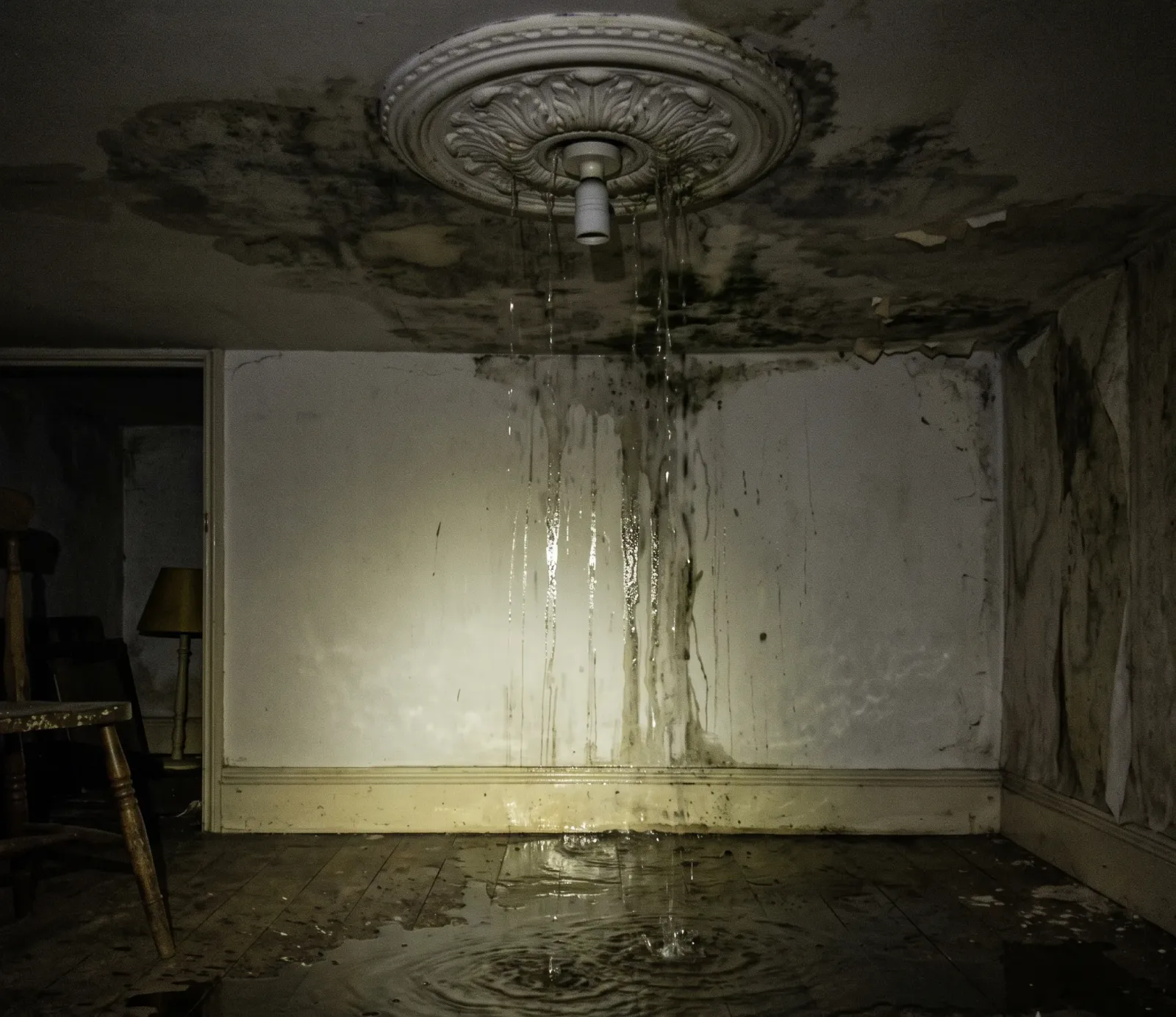
A wet spot under a window or near a closet in a Fort Lauderdale home can mean two very different things. One is a nuisance you can watch for a while. The other soaks into drywall and slab flooring and gets worse every humid day it sits. Telling them apart starts with paying attention to when the water shows up, not just where.
Where AC Drips Usually Show Up
A drip pan under an AC air handler in a Fort Lauderdale attic or closet fills slowly and steadily during humid months. That is condensation doing what it does. It is tied to the condensate line and shows up when the unit runs hardest. A leak from a supply line or roof flashing does not care whether the AC is on. If the wet spot grows on a day the air conditioning is off, something else is putting water there.
Signs That Point to a Real Leak
Location tells you more than the water itself. A stain under a vent stack or near a roof line after a tropical downpour points to flashing, not condensate. A puddle at a slab foundation seam, away from any duct or air handler, points to a supply line or slow leak in the wall. Fort Lauderdale's flat roofs and slab construction mean water almost always shows up at floor level first, no matter the source.
Timing Tells the Story
A condensate overflow tracks with the air conditioner's run time. It shows up on hot afternoons and dries up once the unit cycles off or the humidity level drops overnight. A recurring drip that shows up whether the AC is on or off, or after a tropical downpour rolls through Fort Lauderdale, is behaving like plumbing or roofing water, not condensation.
What A Slab Leak Feels Like
Because nearly every home here sits on a concrete slab foundation, water from a failing pipe often travels sideways before it ever reaches the surface. A warm patch of flooring, a section of tile that stays damp for no clear reason, or a constant drip sound with no visible source can mean water is moving under the slab well before a stain appears in the room above it.
Roof Flashing and Flat Roofs
Many homes and condos around Fort Lauderdale have flat or low-slope roofs, and the roof flashing around vent stacks, AC curbs, and parapet walls is a common place for water to find a gap. A stain that appears on a ceiling only during or right after heavy rain, especially near where a vent stack passes through the roof, usually means roofing water, not an AC problem.
Reading the Stain Pattern
A condensate stain tends to be small, round, and centered directly under or beside the air handler. A leak from a supply line inside a wall or a roof leak above tends to spread outward, following gravity along a joist or down a wall cavity. If the stain keeps widening with each rain in a Melrose Park or Sistrunk home, that spread is the clue worth trusting.
The Smell and Feel Test
Condensation water is usually clean and nearly odorless, since it started as moisture pulled from indoor air. Water from a slow leak sitting inside a wall for days often carries a musty or sour smell, and the drywall or baseboard nearby may feel soft. A soft spot on a wall in an older Melrose Park ranch home built on a slab is a sign the water has been there longer than one afternoon.
When It Follows Every Rain
Fort Lauderdale gets sudden tropical downpours and, on occasion, storms far heavier than normal, like the flooding recorded in April 2023. If a ceiling or wall stain only appears after rain and never on a dry, sunny week, roof flashing or a roof penetration is the more likely source, not the air conditioner, which runs on dry days too.
The Vent Stack Connection
A vent stack that carries plumbing gases through the roof is sealed where it passes through, and that seal is one of the more common failure points on an older roof. A drip that traces back toward a bathroom or kitchen wall that shares a vent stack, rather than toward the AC closet, points at plumbing or roofing rather than condensation.
Checking the Drip Pan First
Before assuming the worst, look at the drip pan and the condensate line near the air handler. A pan full of standing water or a line that gurgles when you blow into it points to a clogged condensate path, which is a narrower problem than a hidden supply line or roof leak. If the pan is dry and the water keeps coming, look elsewhere in the house for the source.
When to Get a Second Opinion
A stain pattern can outlast the water itself. Rings that spread outward and darken with each humid stretch usually mean a recurring drip, not a one-time event. If the mark keeps reappearing in the same spot in a Fort Lauderdale home near Coral Ridge or Victoria Park, an intermittent leak behind drywall is more likely than condensation, which tends to stay confined near the air handler or drip pan.
Dealing with this in your home?
Fort Lauderdale sits barely above sea level, so water damage rarely waits for a burst pipe. Tropical downpours and king tides push water across slab foundations in Victoria Park, Rio Vista, and Wilton Manors alike. The licensed pros we connect you with know slab drying takes longer here, since the shallow water table keeps feeding moisture back up from underneath.