Mold
Is Black Mold Dangerous? A Fort Lauderdale Guide
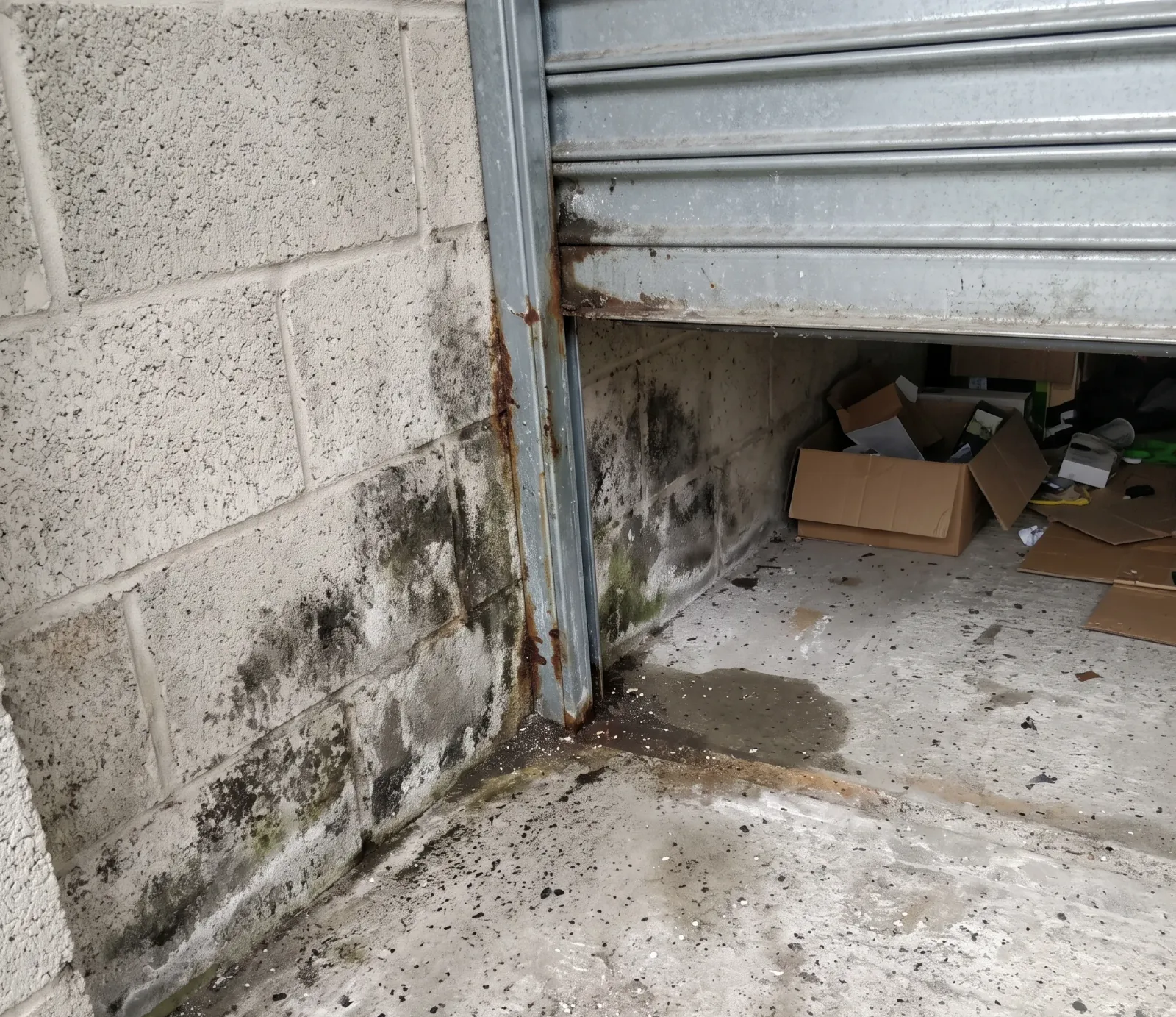
Stachybotrys, mycotoxins, and the toxic mold myth explained plainly, including who is actually at risk and what a dark patch on the wall really means.
Read article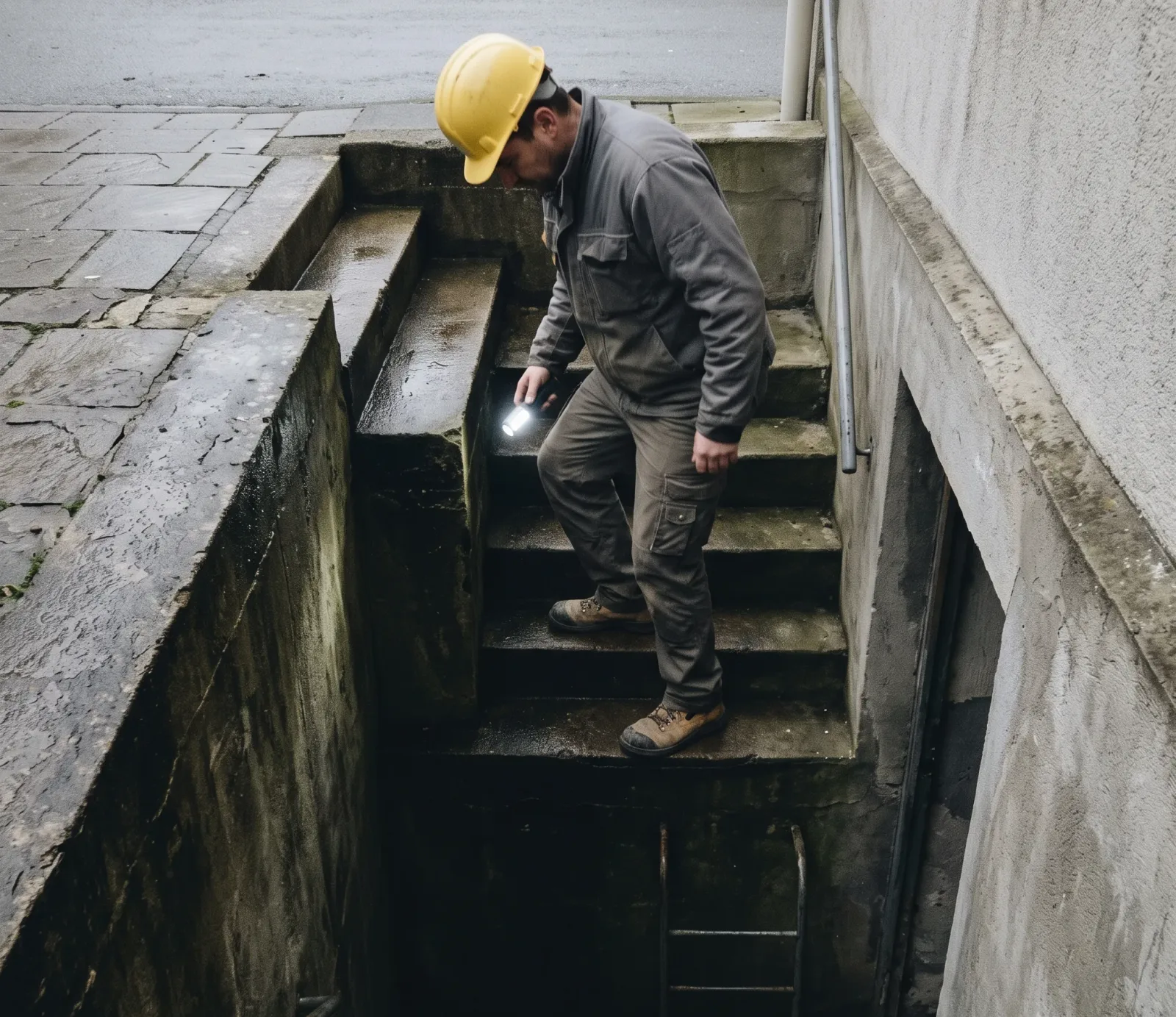
Moisture mapping and lab sampling before you assume what's growing
A canal-front house in Rio Vista with a musty closet, a Coral Ridge condo with a soft spot near the sliding door, a rental in Melrose Park with a water stain nobody can explain — none of that tells an owner what is actually growing or how far it has spread. Fort Lauderdale's high water table keeps slabs damp long after a storm passes, so guessing at mold from smell alone leaves an owner blind to what a lab result would show in a day.
Whether you're in Orange Acres, River Oaks, Harbor Beach, or elsewhere around Fort Lauderdale, mold inspection & testing is arranged around the conditions on the ground in and around Fort Lauderdale, so the plan fits the building rather than a template.
For a private home, residential water damage restoration sets out what a visit involves. For a shop, office, or tenanted building, commercial water damage restoration is the right starting point.
Musty smells that linger near the New River side of a home, discoloration on drywall, or a spike in humidity readings inside the house are reasons to bring in a third-party assessor for a visual assessment and moisture mapping before assuming the cause. Fort Lauderdale's shallow water table lets ground moisture keep pushing upward into slabs long after a storm passes.
A musty smell that lingers after a leak dries is a common reason Fort Lauderdale homeowners call for mold inspection and testing. So is a slab that stayed damp after a tropical downpour or king tide backed up into a canal-front yard. Visual assessment and moisture mapping confirm whether elevated moisture is still active before anyone talks about remediation.
Some homeowners near Harbor Beach or Rio Vista notice sneezing, coughing, or headaches that seem tied to certain rooms and want an answer beyond guesswork. Air sampling with a spore trap and surface sampling with a swab give a lab something concrete to measure, rather than relying on smell or a hunch alone.
A licensed assessor walks the property, checking rooms tied to a past leak, storm surge, or slab flood for visible signs.
Moisture mapping with a meter records elevated moisture behind walls, under flooring, and near slab edges as a baseline reading.
Air and surface samples go to a laboratory under a documented chain of custody for independent analysis.
The assessor delivers a written protocol or, after remediation, a post-remediation verification report comparing results to baseline.
Homes here sit on concrete slab foundations with a shallow water table close to the surface, so moisture from a flat-roof leak or storm surge can keep migrating upward into the slab long after the surface looks dry. Mold inspection and testing catches that hidden moisture with baseline readings before it becomes a bigger problem behind drywall or cabinetry.
Mold assessment work performed for pay in Fort Lauderdale falls under Chapter 468, Part XVI of the Florida Statutes, which sets a licensing category separate from remediation itself. The assessor documents conditions and writes the protocol; a different license class carries out the physical cleanup, which keeps the inspection independent of the removal.
Because Fort Lauderdale sits close to sea level with a high water table, moisture mapping after a slab flood or a flat roof leak needs to track how far dampness has traveled, not just where it started. A chain of custody on every sample sent to the lab keeps the results defensible if an insurance claim follows.
Slab floors near the Intracoastal hold moisture differently than a Coral Ridge condo above ground level. That changes drying time and equipment count, which is most of the bill. The pros price the job in front of you, room by room, before work starts.
| Service | What's Included | Response Time |
|---|---|---|
| Built for water that reached more than one room, common after a tropical downpour overwhelms the yard drainage before it reaches the street. Extraction and drying scale up to match. | King tides push canal water into streets from Harbor Beach to Coral Ridge, and slab foundations mean it enters at floor level, not a basement. After a tropical downpour floods Sistrunk or Melrose Park, moisture keeps climbing through the shallow water table long after the water outside recedes. The licensed pros in our network handle extraction and drying across Fort Lauderdale. | an estimated $255–$945 |
| Fits townhome and condo owners along the Intracoastal whose unit takes on water from a shared wall or a floor above. The scope includes drywall checks at multiple points, not just one. | A tropical downpour doesn't wait for a forecast to catch a Victoria Park or Rio Vista home flat-footed. Water crosses a slab floor fast in Fort Lauderdale, soaking baseboards before anyone notices. The licensed pros we connect you with pull moisture from flooring and drywall near the New River and the Intracoastal alike, on the same day you call. | an estimated $300–$1350 |
| Matches a slab that stayed wet longer than expected, since the shallow water table here can keep pushing moisture up after the surface water is gone. Follow-up moisture checks are built in. | Slab foundations near Rio Vista and Harbor Beach let canal water push straight through floors, not basements, when a king tide or storm surge rises. Drywall and cabinetry near the New River soak fast in Broward County's shallow water table. The licensed pros we connect you with pull moisture before it climbs higher. | an estimated $450–$2160 |
| Right after a Fort Lauderdale storm surge event pushes water past the door line but the structure stays sound. Flooring, baseboards, and lower drywall get assessed room by room. | Water shows up two ways here: a tropical downpour that outruns the drains, or canal water climbing into a low yard near the Intracoastal. Either one soaks a slab floor fast. Reach Victoria Park or Coral Ridge, and the licensed pros we connect you with can start pulling water out the same day. | an estimated $720–$3595 |
Water damage costs less to fix the same day than after a week of drying in Fort Lauderdale humidity. Slab floors near the New River or a canal keep wicking moisture upward, so drywall and flooring costs climb the longer extraction waits. Get a same-visit price before mold spreads, not a guess after the fact.
Lab analysis for air and surface samples usually takes a few business days once the lab receives them, though a rush option can shorten that. The assessor can often share visual and moisture-mapping findings the same day, with the lab results following separately.
No. In Florida, mold assessment and mold remediation are separate license categories under Chapter 468, and the assessor who writes the protocol is generally kept apart from whoever performs the cleanup. This keeps the person grading the work from being the same one who did it.
Clearance testing after remediation checks whether the treated areas in a Fort Lauderdale home have returned to a condition comparable to unaffected areas, using air or surface samples against a baseline reading. There's no federal numeric standard for this; a licensed assessor applies accepted industry practice instead.
Bring the assessor's written protocol, any prior moisture readings, and photos of the affected areas, especially if the damage followed a tropical downpour or a canal-side flood. That history helps the assessor decide where to place samples and what a baseline reading should look like.
Yes. Surface sampling with a swab can check a suspect stain on drywall or cabinetry directly, while air sampling with a spore trap measures what's circulating in the room. Many Fort Lauderdale homes near canals or the Intracoastal benefit from both, since visible growth and airborne spores don't always match.
Air sampling measures spores circulating in the room using a spore trap, while surface sampling uses a swab on a specific stain or surface. An assessor picks one or both depending on whether the concern is a visible spot or a broader air-quality question in the home.
No basements exist in this city. Every slab sits low, close to the ground, so floodwater walks straight in at floor level and soaks flooring before anyone notices. Rio Vista, Colee Hammock, and Sailboat Bend all share that same low profile near the New River.
Ankle-deep water on a slab floor near the New River or the Intracoastal spreads fast, and every hour it sits raises the chance of warped flooring and mold behind drywall. The licensed pros we connect you with in Fort Lauderdale answer day and night, run moisture readings, and start extraction before hurricane season damage gets worse. Call now.
Stachybotrys, mycotoxins, and the toxic mold myth explained plainly, including who is actually at risk and what a dark patch on the wall really means.
Read article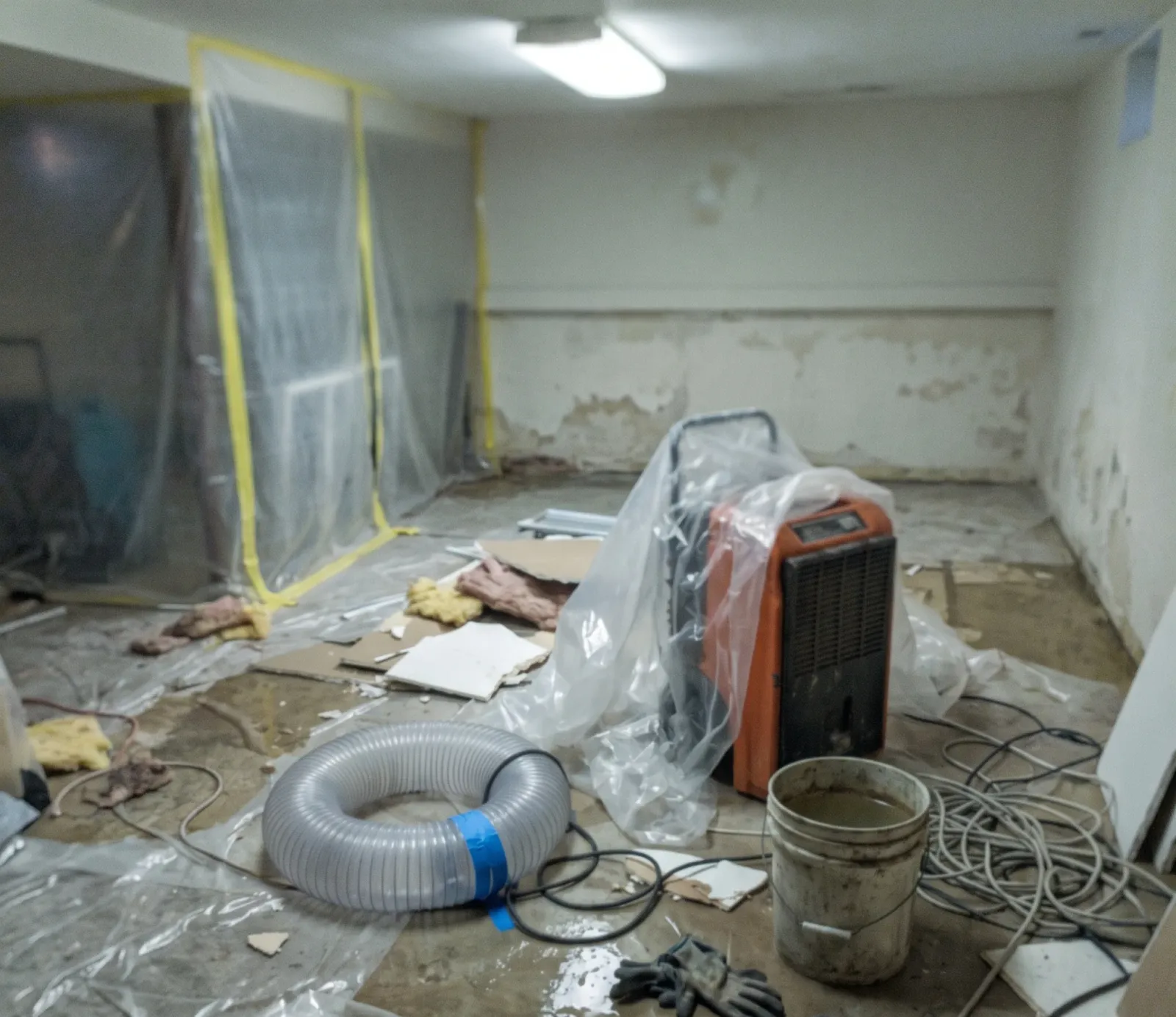
Cleaning a moldy wall rarely fixes anything if the water behind it never dried out. Here is why the same spot keeps coming back.
Read article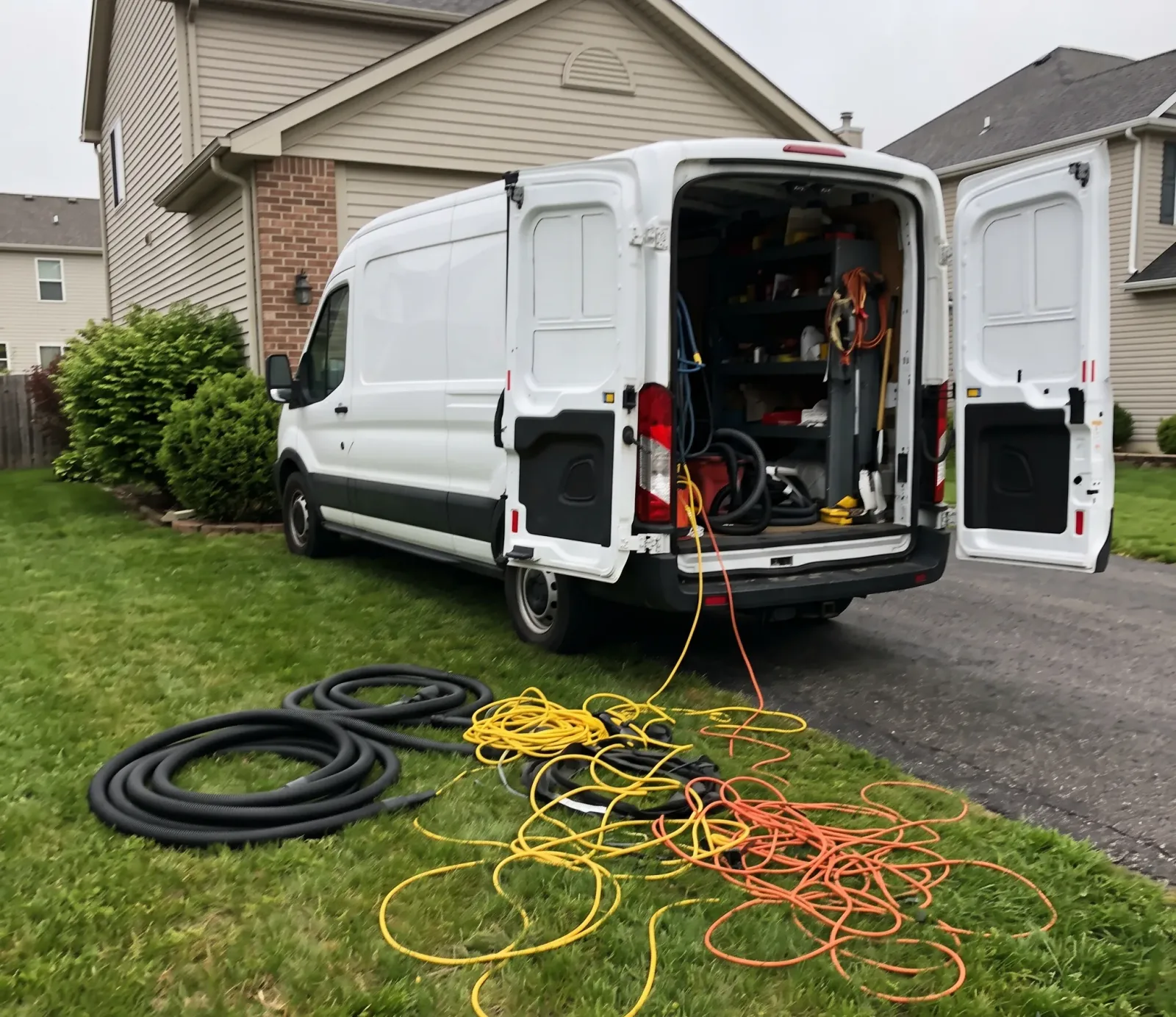
Why a Fort Lauderdale home smells musty between rains, and how to tell ordinary dampness from hidden mold behind a wall or under damp carpet near Las Olas or Rio Vista.
Read articleThis is one part of a bigger job, and most Fort Lauderdale water damage touches more than one system at once. The licensed pros we connect you with handle the extraction and drying together, since a slab foundation lets moisture travel further than it looks. If your home is near the Intracoastal or inland toward Broward Boulevard, the same wet-slab problem applies. Call now and describe what is happening.
Call (954) 910-2507