Fort Lauderdale's outdoor air carries a heavy moisture load most of the year, and that changes how drying works indoors. Relative humidity outside often sits high enough that the dew point is close to room temperature, so ambient air pulled in from outside adds to the problem instead of solving it. Drying crews rely on grain depression, the gap between the moisture in wet materials and the moisture in the surrounding air, to pull water out. In a humid climate that gap stays narrow, so evaporation rate slows and dehumidifiers run longer than they would up north.
What Relative Humidity Means
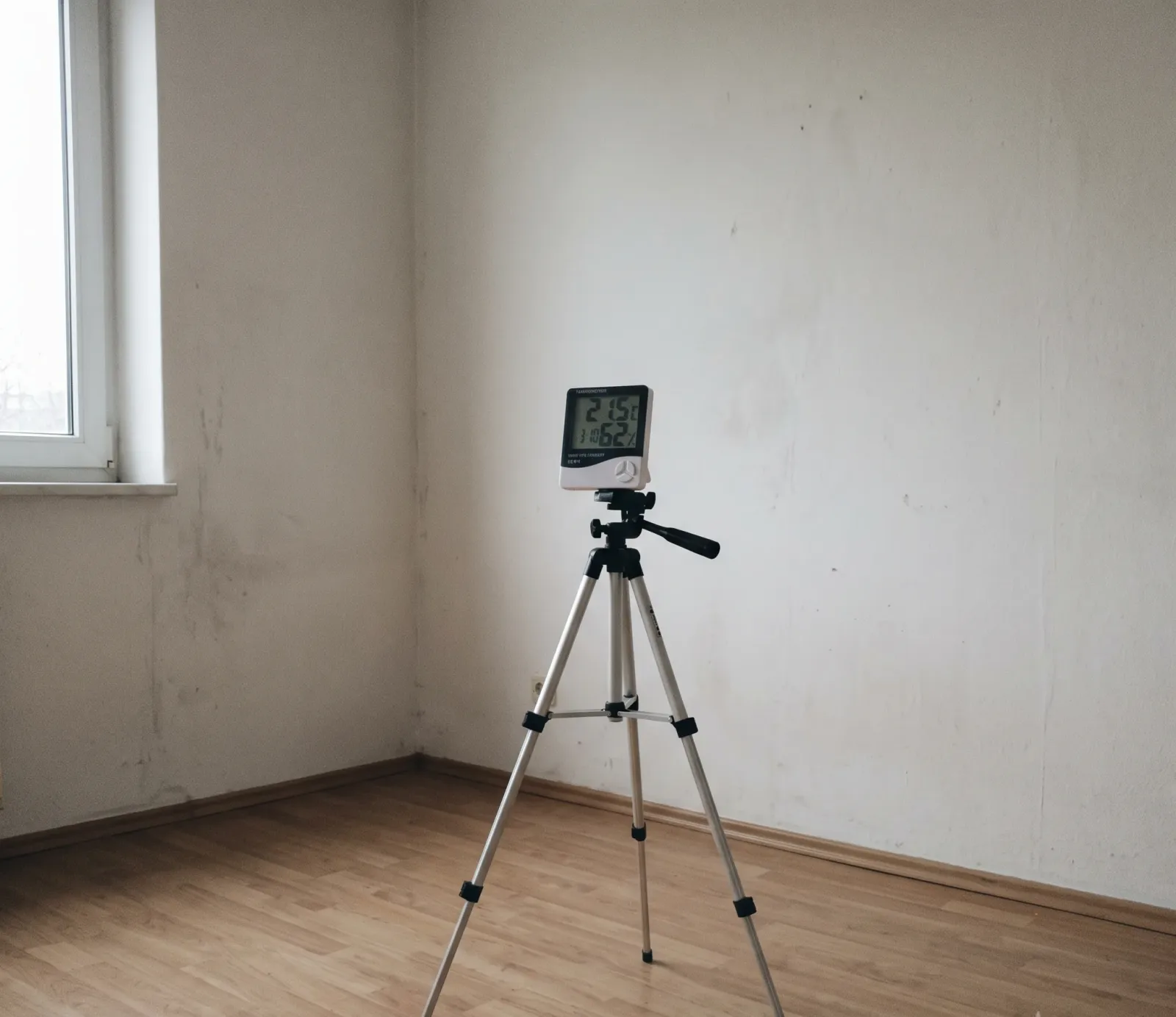
Relative humidity measures how much water vapor the air is carrying against how much it could carry at that temperature before hitting its dew point. In a South Florida summer, outdoor air often sits near that ceiling before a drop of rain falls on a canal-front lot. Bring that air inside a flooded room and there is little room left for evaporated moisture to go, so wet materials stay wet.
Ambient Air Near the Intracoastal
Ambient air is simply the air already filling a room or surrounding a building, as opposed to air pumped in through equipment. In a house near Las Olas Boulevard, ambient air on a summer afternoon can sit close to saturation before any restoration work even starts. Outdoor air entering through open doors or a damaged section of wall carries that same load inside, working against any drying already underway.
Dew Point and Grain Depression
Dew point marks the temperature at which the air can no longer hold all its water vapor, so some condenses out. A high dew point, common in coastal Broward County, means the air stays saturated even after the temperature drops at night. Grain depression describes the gap between how much moisture is in wet materials and how much is in the surrounding air. A shallow gap near Sistrunk or Flagler Village means drying slows because there isn't much pull left.
Why Evaporation Rate Drops
Evaporation rate is how fast liquid water turns to vapor and leaves a wet surface. That rate depends heavily on how much room the surrounding air has left for more moisture. When humid outdoor air keeps entering a home near Harbor Beach or Colee Hammock, the evaporation rate at the surface of a wet floor stays low no matter how warm the room feels.
Vapor Pressure Pushing Back
Moisture naturally moves from a wetter area toward a drier one, driven by a difference in vapor pressure between the two. In a humid climate like Fort Lauderdale's, that difference between a soaked carpet and the surrounding room air is often small. A small difference means moisture leaves the carpet slowly, which is a large part of why drying stretches on longer here than it would somewhere with cold, dry winter air.
Moisture Load After a Downpour
A short, heavy tropical downpour can push far more water into a home than the drainage around it can carry away in the same hour. Once water gets inside a house near Tarpon River or Croissant Park, it adds to a moisture load the air was already carrying. That combined load, from the storm plus everyday humidity, is why post-storm drying in this city often takes longer than the storm itself lasted.
Indoor Climate Versus Outdoor Air
Indoor climate refers to the temperature and humidity conditions actually present inside a home, which don't automatically match what's outside. Air conditioning in Fort Lauderdale homes usually pulls some humidity out as it cools, but it wasn't built to dry a flooded room. In houses near Imperial Point or Coral Shores, the indoor climate can still sit far more humid than a drying job needs, even with the AC running.
Slab Floors Hold Moisture Longer
Most homes in this city, including in Riverside Park and North Andrews Gardens, sit on a poured concrete floor rather than a basement. A shallow water table under Fort Lauderdale means ground moisture can keep rising into that floor for a while after standing water is gone. That ongoing upward moisture, combined with humid air above it, is part of why a slab floor can test wet well past when it looks dry.
Why Dehumidifiers Run Longer Here
A dehumidifier works by pulling moisture out of the surrounding air, which then lowers how much room is left in that air for more water to leave wet materials. Because outdoor humidity near Fort Lauderdale stays high most months, replacement air entering through gaps or open doors keeps adding moisture back. That's why a dehumidifier here often has to run for more hours, and more days, than the same unit would need in a drier region.
Psychrometrics in Plain Terms
Psychrometrics is the study of how air, temperature, and moisture interact together, and it's the reasoning behind every drying decision on a water-damaged property. It explains why simply running a fan across a wet floor in a humid room accomplishes very little. Proper drying has to account for how saturated the surrounding air already is, not just how wet the material looks.
What This Means for Your Home
This is why a dehumidifier in Fort Lauderdale often runs longer than the same unit would need up north. Psychrometrics explains it plainly: pulling grain depression from indoor air takes more work when outdoor humidity keeps pressing back in through gaps and open doors. Vapor pressure stays high on both sides of a wall, so drying time stretches out even in a well-set-up room.
Dealing with this in your home?
Fort Lauderdale sits barely above sea level, so water damage rarely waits for a burst pipe. Tropical downpours and king tides push water across slab foundations in Victoria Park, Rio Vista, and Wilton Manors alike. The licensed pros we connect you with know slab drying takes longer here, since the shallow water table keeps feeding moisture back up from underneath.