A homeowner near Victoria Park scrubs a dark patch off the drywall, and two weeks later it is back in the same spot. That pattern is common in Fort Lauderdale, where humidity sits high most of the year. The regrowth is not bad luck. It means the cleaning removed what was visible but left the reason it grew there untouched.
What Surface Cleaning Misses
Wiping down a wet baseboard in Rio Vista or Victoria Park looks finished, but a mop only reaches what your hand can touch. Water that reached drywall, insulation, or the framing inside a wall keeps sitting there, unseen, days after the floor looks dry. That trapped dampness is exactly what spores need to establish a colony, so the growth returns in the same spot within weeks, not because cleaning failed, but because the moisture behind the surface was never addressed.
Where Hidden Moisture Hides
Hidden moisture usually sits behind a wall, under flooring, or inside a cabinet base, out of sight from anyone doing a quick wipe-down. In Fort Lauderdale homes, a slow leak near a window track or an AC line can soak drywall from the inside for weeks. Because the water is never seen directly, nobody treats it, and the visible mold it feeds simply reappears on schedule.
Why Bleach Falls Short
Bleach is a common first response, but it mostly works on hard, nonporous surfaces like tile or glass. On drywall or wood, the chemical struggles to reach roots that have worked into the material, and the water left behind after bleaching can encourage more growth. It changes the color of a stain without solving why the surface was wet to begin with.
Porous Materials Hold Water
A container that isn't sealed off lets spores travel through open doorways on shoes, on tools, or simply on moving air, landing on dry surfaces in another room. That's cross contamination, and it's why a homeowner near Coral Shores or Harbor Beach can scrub one bathroom clean only to find new spotting in a hallway closet weeks later. Sealing off the work area, and keeping air moving out rather than through the rest of the house, is what keeps the problem from spreading room to room.
Tracing The Moisture Source
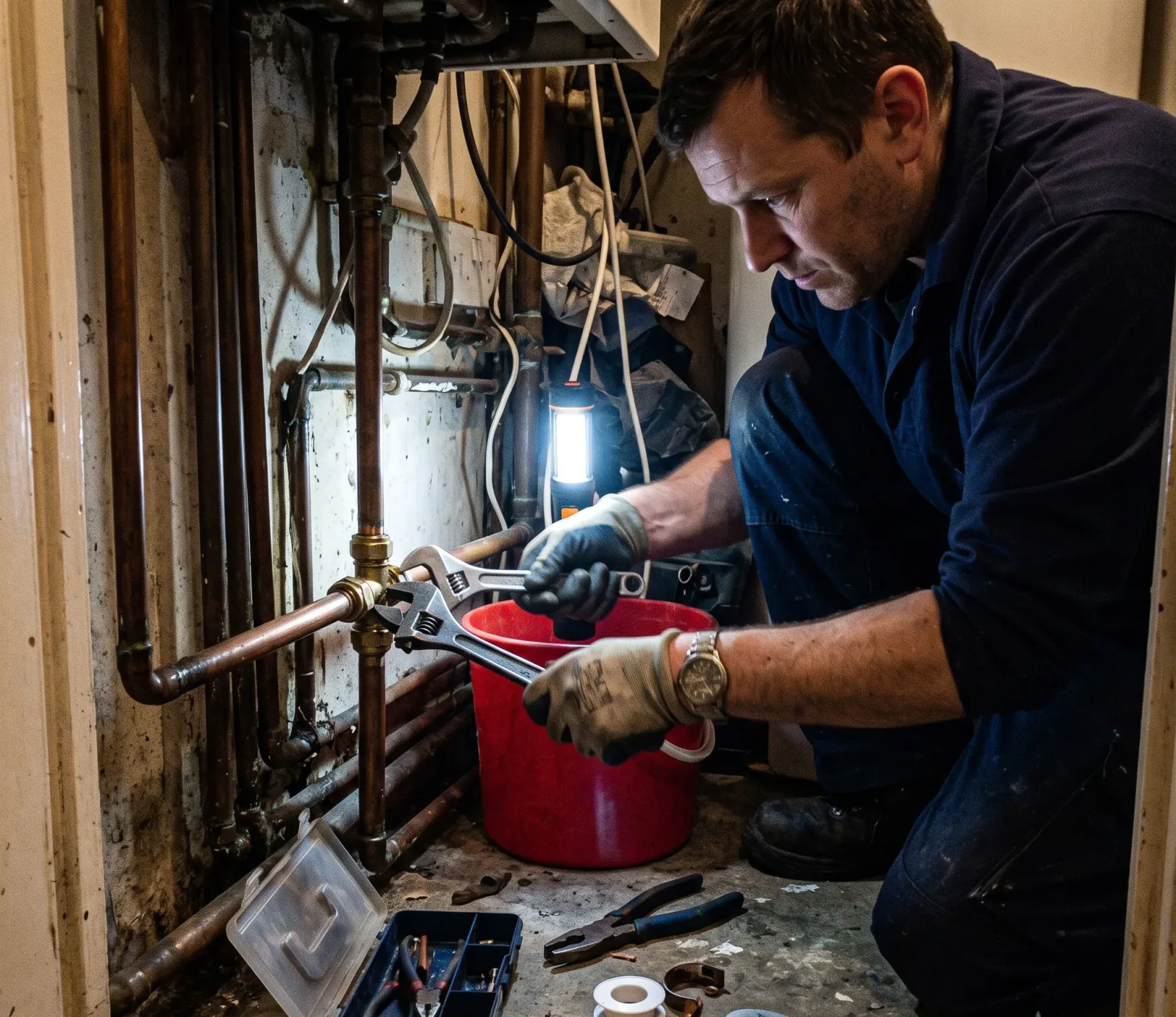
Finding the actual source of moisture matters more than the stain itself. It could be a roof leak feeding a wall over time, a cracked supply line under a sink, or condensation building where an AC vent meets a warm ceiling. Fort Lauderdale's shallow water table also means ground moisture near a slab foundation can migrate upward slowly, long after any standing water is gone.
How Spores Travel Between Rooms
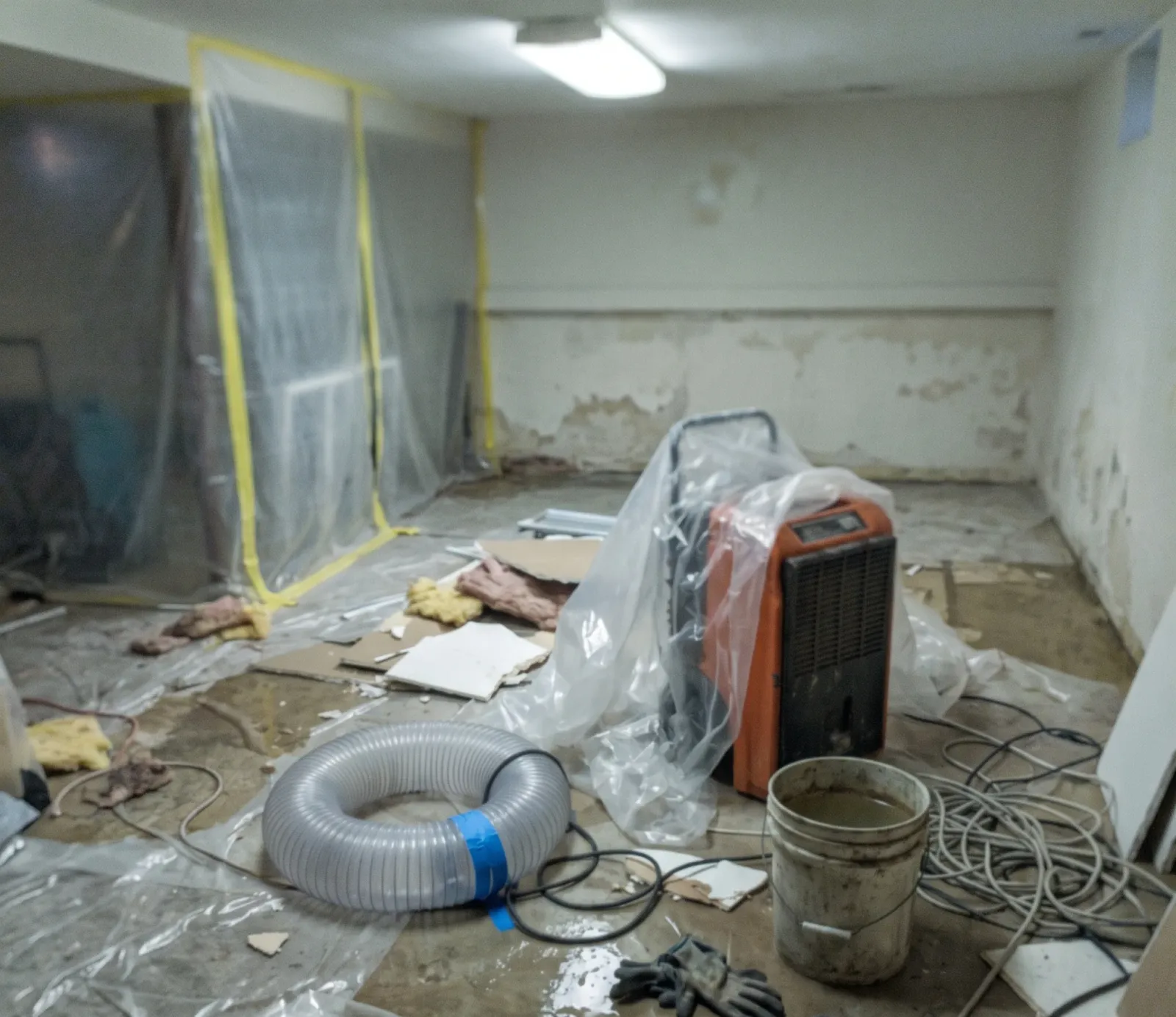
A cleaning job that skips containment can push the problem into rooms that were never affected. Dry sanding or scrubbing without sealing off the area can send spores through open doorways and HVAC returns. A patch of growth in one bathroom near Harbor Beach can end up seeding a nearby closet or hallway if nothing separates the work area from the rest of the home while it happens.
Why Containment Matters Here
Sealing off a work area keeps disturbed material and airborne spores from settling somewhere new. Without that separation, cleaning one room can quietly start a second problem in another. An air gap between the work zone and the rest of the house, along with plastic sheeting over doorways, is a basic step that a quick DIY wipe-down almost always skips entirely.
Slab Floors And Rising Damp
Fort Lauderdale homes sit on concrete slab foundations, and the water table underneath is close to the surface citywide. That combination means moisture can sit against the underside of flooring or the base of a wall for longer than in places with better drainage. A stain that keeps returning along a baseboard near the floor often points to this kind of slow, ongoing dampness rather than a one-time spill.
Signs The Job Isn't Done
A musty smell that returns after cleaning, new spotting near the same outlet or vent, or discoloration spreading past the original patch are all signs the moisture source was never addressed. Homeowners near Coral Shores or Imperial Point sometimes notice the pattern only after repainting twice in the same year, with the stain bleeding through again a few weeks later.
What A Real Fix Looks Like
A real fix starts with finding where the water is coming from, not just where the mold is visible. That means checking behind the affected wall or under the flooring, drying the area fully, and confirming the moisture source has actually stopped before any cosmetic repair happens. Skipping that step is why the same wall keeps needing attention year after year.
When To Call For Help
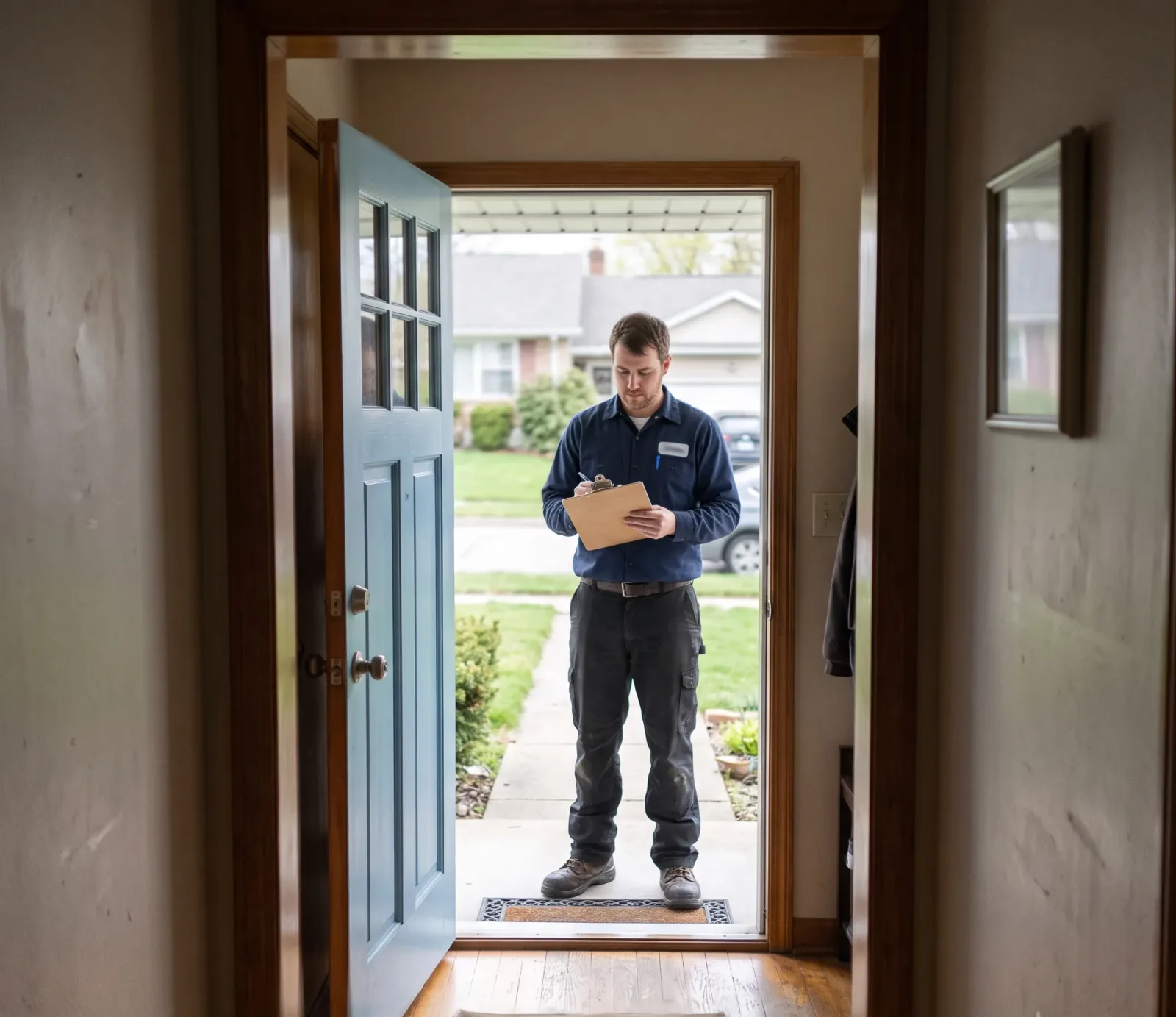
If a stain keeps reappearing in the same place after more than one cleaning attempt, that is usually a sign the moisture source needs a closer look rather than another wipe-down. The licensed pros we connect you with can check behind walls and flooring for hidden moisture before it spreads further through a Fort Lauderdale home.
Dealing with this in your home?
Fort Lauderdale sits barely above sea level, so water damage rarely waits for a burst pipe. Tropical downpours and king tides push water across slab foundations in Victoria Park, Rio Vista, and Wilton Manors alike. The licensed pros we connect you with know slab drying takes longer here, since the shallow water table keeps feeding moisture back up from underneath.