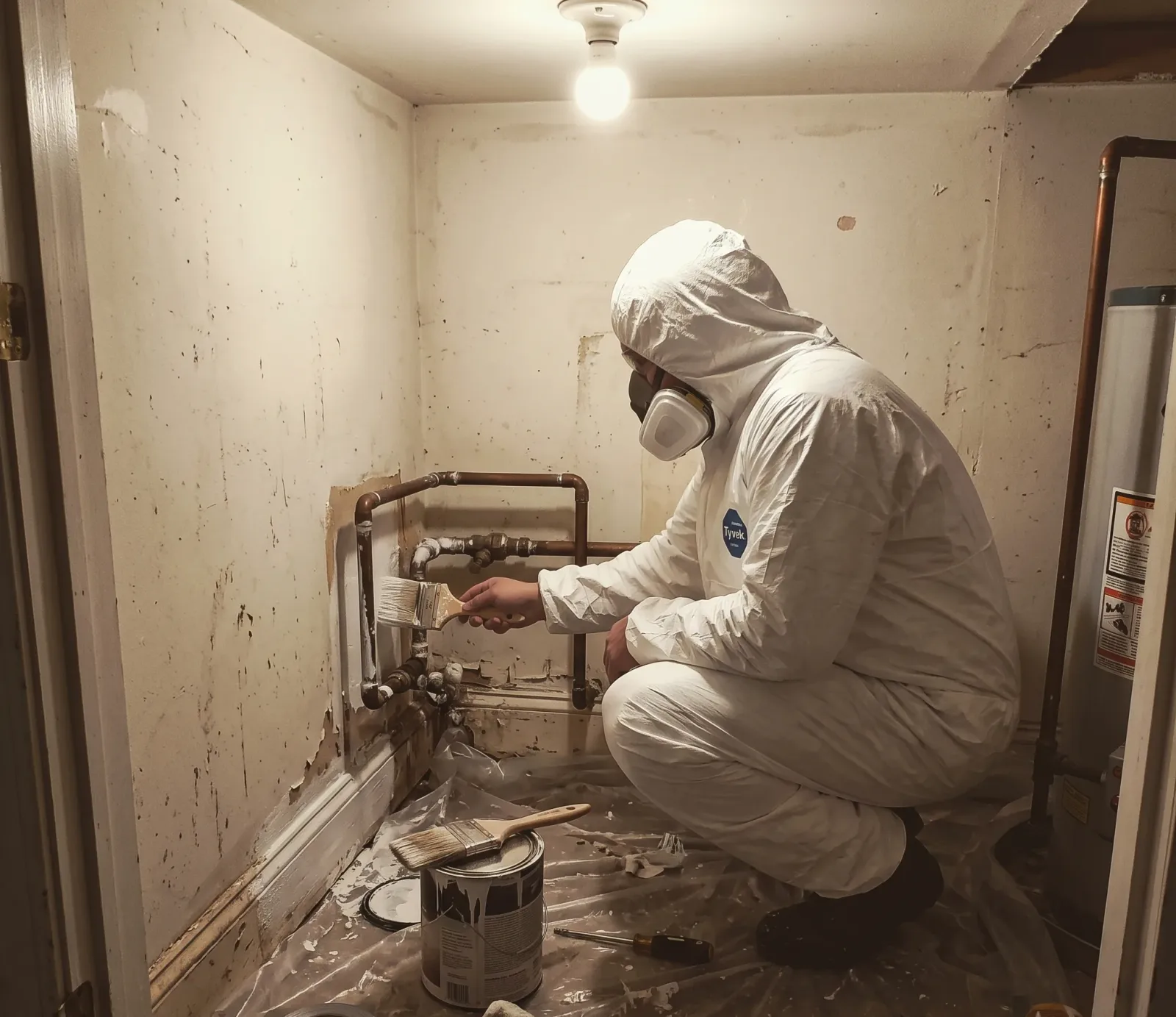
A musty odor in a Fort Lauderdale home almost always traces back to moisture, not dirt. The smell is a byproduct of mold and mildew feeding on damp material, from drywall near Las Olas Boulevard to carpet in a Coral Ridge den. Relative humidity above 60 percent, common in this climate, lets that growth start indoors even without a visible leak. The odor is a warning worth reading, not covering up.
What Actually Makes That Smell
A musty smell usually points to moisture sitting somewhere it shouldn't. In Fort Lauderdale, indoor air holds a lot of water vapor for much of the year, and that moisture condenses on cool surfaces when the HVAC system can't keep pace or a room gets poor air circulation. Damp carpet near a canal-front window, a closed-up laundry nook, or a bathroom with a weak exhaust fan are common spots. If the smell fades once you run a dehumidifier and open air flow, it was likely condensation. If it lingers, the moisture source may already be feeding hidden mold.
Everyday Humidity Versus a Problem
Some mustiness is ordinary in a coastal city like Fort Lauderdale. A closed-up guest room in Victoria Park or a garage near Sunrise Boulevard can smell faintly damp just from humid air with poor circulation. That smell usually fades once you open a door or run the air conditioning. A smell that returns within hours of airing the room out, or that gets stronger by the week, points to an ongoing moisture source instead of a passing condition.
Where Condensation Builds Indoors
Condensation forms when humid air meets a cool surface, like an undersized air duct or a poorly insulated wall near the Intracoastal. In homes throughout Imperial Point and Coral Shores, condensation on ductwork or windows can drip steadily onto drywall or flooring for weeks before anyone notices. That slow, repeated wetting is exactly the kind of moisture source hidden mold needs, even though no storm or pipe break ever happened.
The HVAC System's Hidden Role
An HVAC system that's oversized, poorly maintained, or short-cycling can leave a home more humid, not less, because it cools the air quickly without running long enough to pull out moisture. A clogged AC condensate line is a known local nuisance from Sistrunk to Lauderhill, and a slow drip behind a closet wall builds humidity right where air circulation is already weak. Musty smells near air handlers deserve a closer look.
Ventilation and Air Circulation Gaps
Poor ventilation lets damp air sit still instead of exchanging with drier air, which is exactly the condition organic growth prefers. Closets, laundry nooks, and rooms with furniture pushed against exterior walls are common trouble spots in condos near Galt Ocean Mile and homes in Melrose Park alike. A dehumidifier or simply improving air circulation with a fan can resolve a mild case, but a smell that returns points to a moisture source, not a ventilation fix alone.
Damp Carpet And What It Holds
Damp carpet is one of the most common places a musty smell settles in, because carpet padding traps humidity against the slab floor found in nearly every Fort Lauderdale home. Even a small amount of ground moisture migrating up through a concrete slab, common given the area's high, shallow water table, can dampen padding without ever looking wet on top. A carpet that smells musty after mopping nearby tile is worth pulling back at the edge to check.
The King Tide And Slab Connection
Fort Lauderdale's high water table means moisture can reach a slab foundation from below, not just from a leak or storm above. During a king tide, water can push up through storm drains and canals into low-lying yards in areas like River Oaks or Harbor Beach, and that ground saturation can linger under a slab for days. A musty smell that shows up after a king tide event, even without standing water indoors, deserves attention.
When It Signals Hidden Mold
A musty odor signals hidden mold, rather than ordinary dampness, when it's persistent, localized to one area, or paired with other signs like discolored drywall, peeling paint, or a family member's allergy symptoms flaring indoors. A smell confined to one closet in a Woodlands or Broadview Park home, unmoved by opening windows, usually means growth is established somewhere nearby rather than floating through general humid air.
Musty Smells After A Storm
A tropical downpour during hurricane season, June through November, can push water in through a flat roof leak, a window seal, or a door threshold without anyone realizing how much got behind a wall. Homes near Port Everglades and inland toward Plantation see this pattern often: water intrudes quietly, dries on the surface, and a musty smell appears days later as hidden material stays damp and organic growth gets started.
What A Dehumidifier Can And Can't Do
A dehumidifier helps manage everyday indoor humidity and can stop a mild, general mustiness from returning, especially in a closed room or a unit near Wilton Manors with limited air circulation. It cannot dry out material that's already saturated behind a wall or under carpet padding. If the smell persists after weeks of running one, the moisture source is likely larger or hidden further from the room where you notice it.
When To Get It Checked
In Florida, remediation work above a set size has to be handled by someone holding a Mold Assessor or Mold Remediator credential through the state's licensing board, not a general cleaning crew. That rule exists because cutting into drywall or removing damp material without controls can spread spores through Coral Ridge condos and Victoria Park bungalows alike. If a musty odor keeps returning after you have run a dehumidifier and checked every moisture source, that threshold is worth asking about before anyone starts cutting.
Dealing with this in your home?
Fort Lauderdale sits barely above sea level, so water damage rarely waits for a burst pipe. Tropical downpours and king tides push water across slab foundations in Victoria Park, Rio Vista, and Wilton Manors alike. The licensed pros we connect you with know slab drying takes longer here, since the shallow water table keeps feeding moisture back up from underneath.