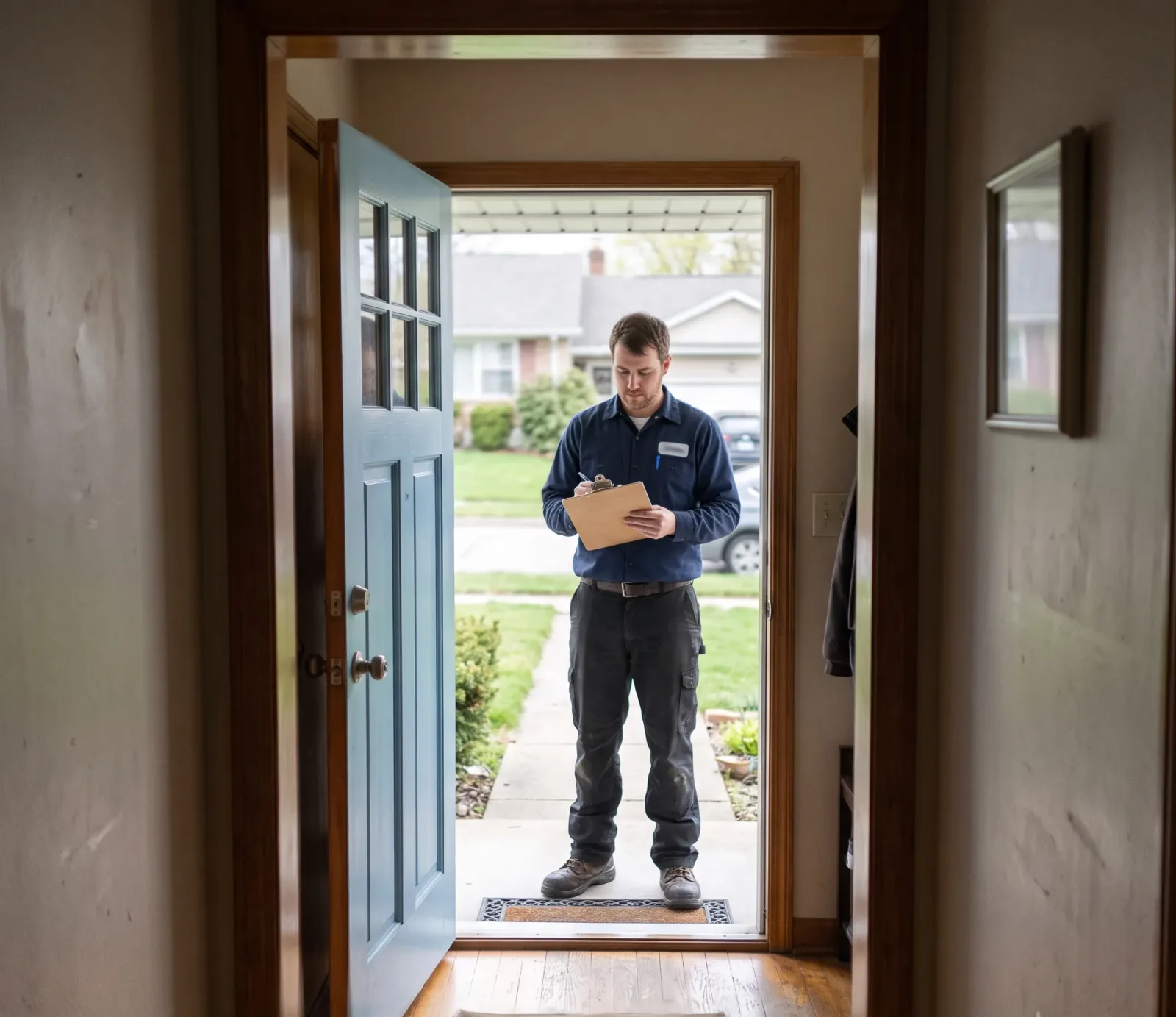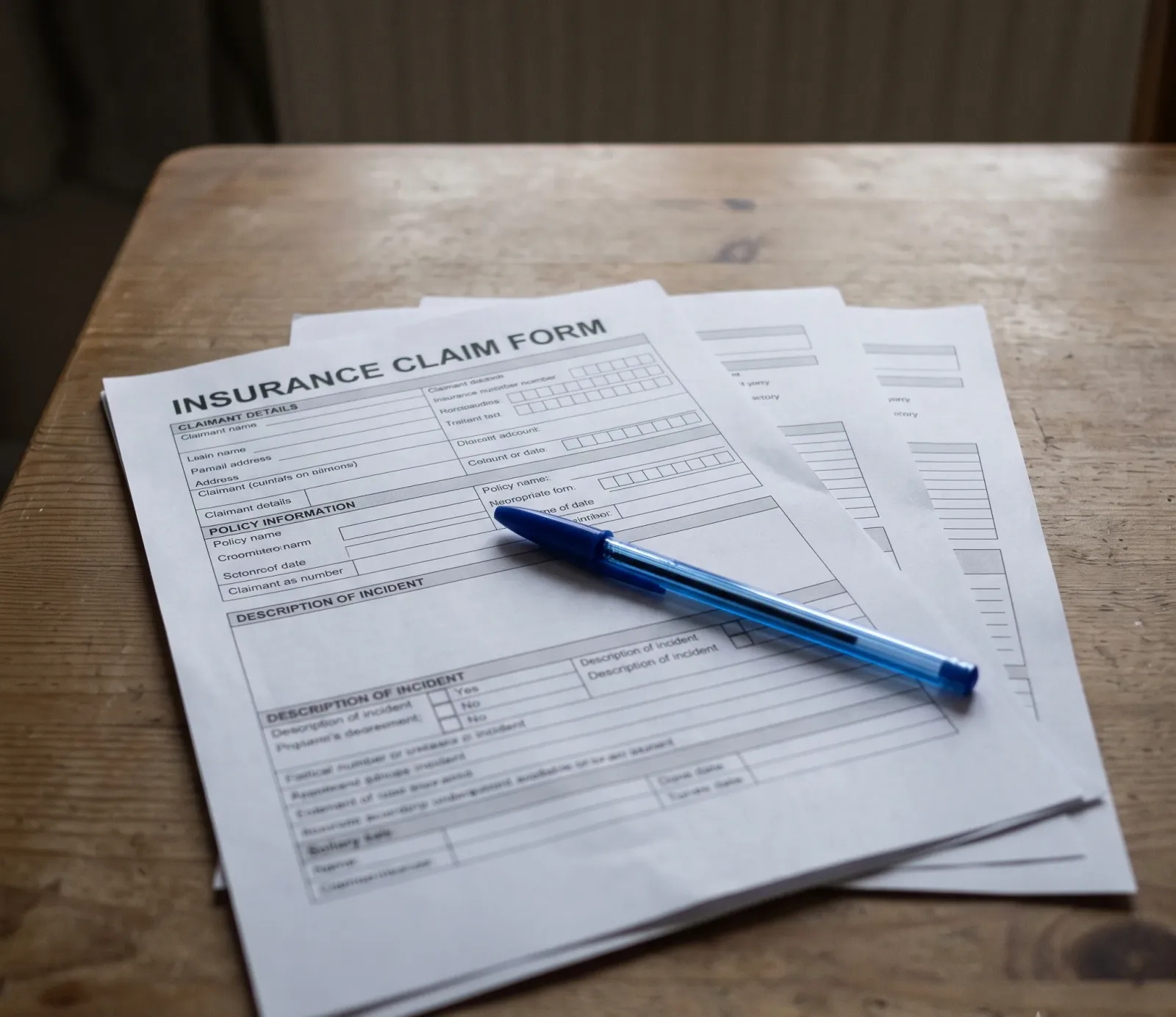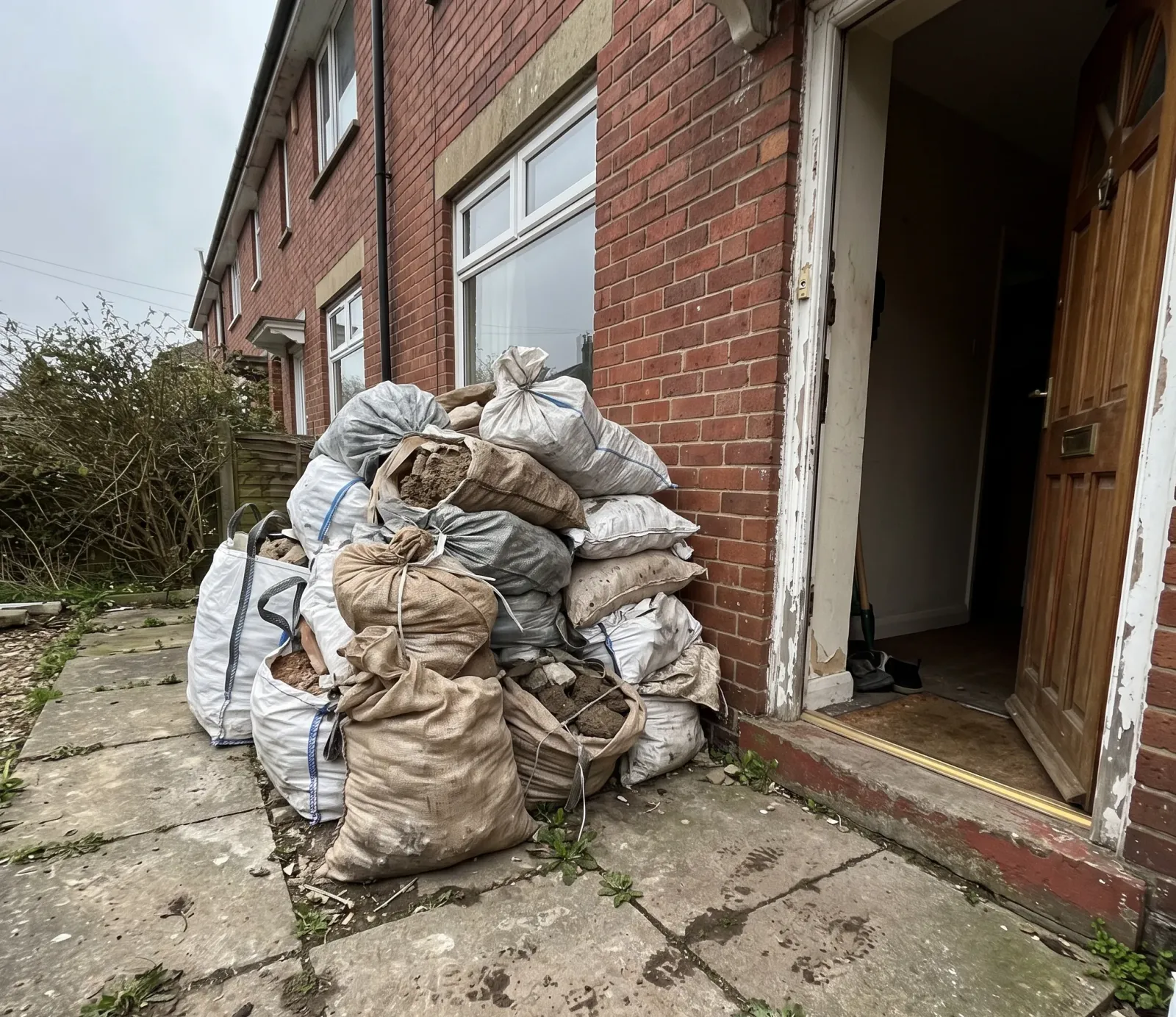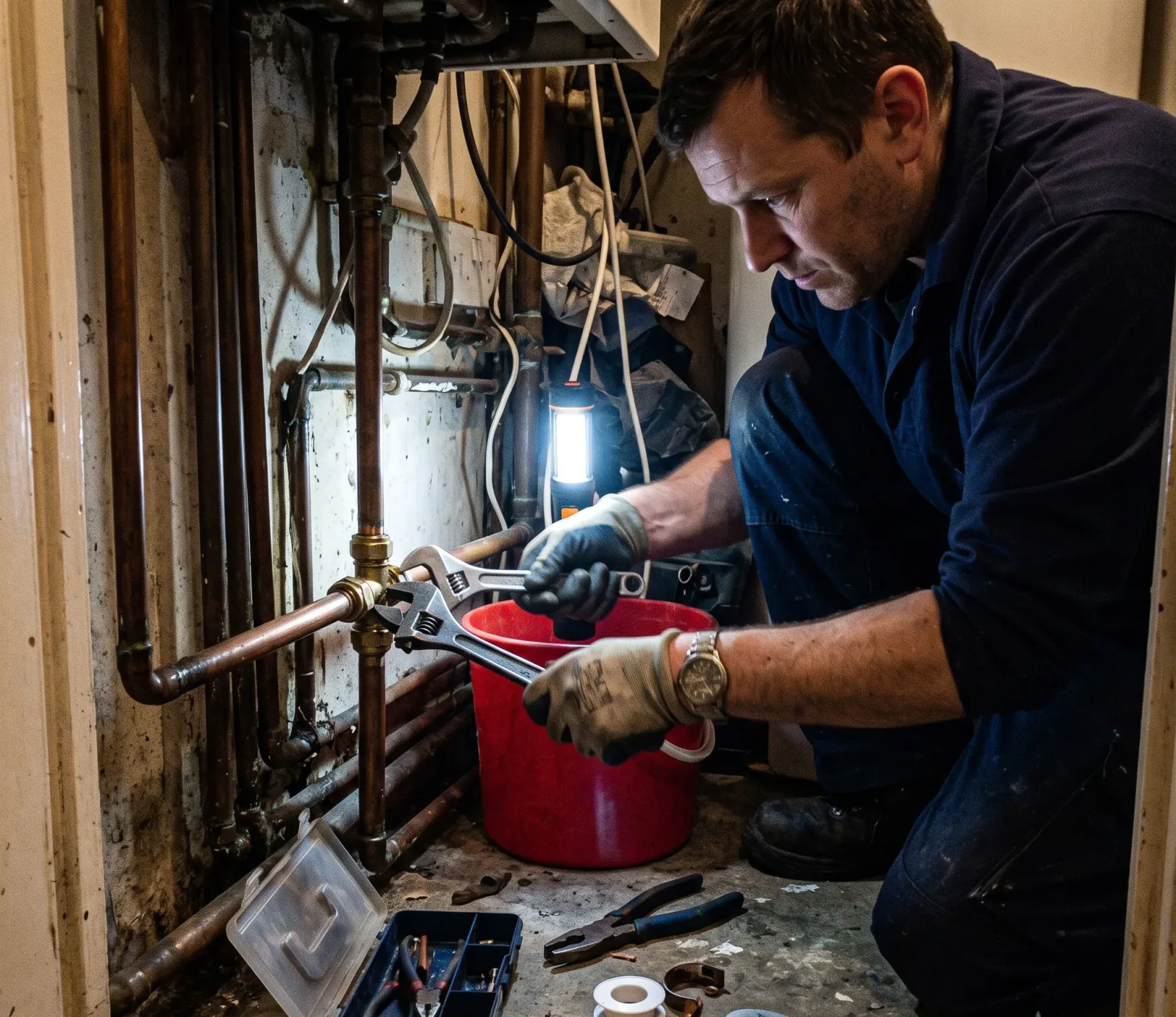
When a Fort Lauderdale home floods from a burst supply line or a tropical downpour backs up through a flat roof, more than one adjuster can end up involved. The word "adjuster" covers different jobs with different loyalties. Knowing which one is standing in your living room changes how you read every number they write down. This matters most right after the water is gone, before the paperwork settles.
The Insurer's Own Adjuster
Two kinds of adjusters show up after a Fort Lauderdale claim, and they do not answer to the same person. One works for the insurance company, checking the loss against the policy and recommending what the company should pay. The other is hired by the homeowner and is licensed by the state for that exact job. Knowing which one is on the phone changes how you read every number they give you.
The Adjuster Who Works for You
The insurer's own adjuster, sometimes called a staff or independent adjuster depending on who signs their paycheck, is paid by the company regardless of the settlement figure. A public adjuster works for the homeowner instead and typically takes a contingency fee tied to what the claim actually recovers. That single difference in who pays them is the whole reason their estimates for the same flooded condo or canal-front house in Fort Lauderdale can land so far apart.
Why the Two Numbers Differ
An estimate discrepancy between a staff adjuster's number and a public adjuster's number is common, not a sign someone made an error. The two are working from the same flooded rooms but different starting positions. One is checking a claim against a budget. The other is building a case for what the repair actually costs. Neither number is automatically correct just because it came first.
What Conflict of Interest Means Here
The conflict of interest isn't personal, it's structural. A claims examiner reviewing your file at the insurance company is paid by that company and answers to it. That's simply how the job is built, the same way a public adjuster's fee depends on your settlement. Understanding this helps a Fort Lauderdale homeowner read either adjuster's report with the right amount of caution.
How a Public Adjuster Gets Paid
Public adjusters typically work on a contingency fee, taking a percentage of whatever the claim ultimately settles for. There's no upfront bill in most cases. This fee structure is exactly why licensing matters: Florida requires public adjusters to be licensed through the state, so a homeowner in Victoria Park or Melrose Park isn't handing claim details to someone with no accountability.
The Fiduciary Duty Question
A gap between two estimates is not automatic proof either side made a mistake. The company's adjuster may be reading the policy conservatively, while a public adjuster is paid more when the number climbs, which is its own kind of pressure. Florida requires public adjusters to hold a state license through the Department of Financial Services, so ask to see it, then compare both estimates line by line before deciding who is closer to right.
When Homeowners Hire One
Homeowners near the Intracoastal or along a canal-front lot in Harbor Beach sometimes bring in a public adjuster after storm surge or wind-driven rain causes damage that looks larger than the insurer's first number suggests. Others hire one from the start, before any inspection happens, so every measurement and photo is documented by someone working for them from day one.
Negotiation Between the Two Sides
Once both estimates exist, negotiation usually follows. A public adjuster will point to specific damaged materials, moisture readings, or code-required repairs the insurer's figure left out. The insurer's adjuster may push back on scope or pricing. A settlement gets reached when both sides agree on a number, sometimes after several rounds, sometimes with a supplemental claim added later.
A Policyholder Advocate, Not a Contractor
A public adjuster is not the same as the licensed pros we connect you with for drying out a home or repairing water-damaged drywall. One writes the claim number; the other does the physical work of extraction and repair. A policyholder advocate can be useful before or during repair work, but the two roles stay separate and one doesn't substitute for the other.
What This Doesn't Cover
This page is about who the adjuster works for, not how to file a claim from scratch or what deadline applies to your policy. Those steps involve separate rules and timing that deserve their own explanation. If you're standing in a wet Fort Lauderdale living room right now trying to figure out next steps, that filing process is worth reading separately before you call anyone.
Deciding Which Path Fits
There's no single right answer for every Fort Lauderdale household. A straightforward claim with a fair first offer may not need a public adjuster at all. A large loss near Las Olas Isles or Coral Ridge Isles, with a big gap between what was damaged and what was offered, is exactly the situation a public adjuster's advocacy was built for.
Dealing with this in your home?
Fort Lauderdale sits barely above sea level, so water damage rarely waits for a burst pipe. Tropical downpours and king tides push water across slab foundations in Victoria Park, Rio Vista, and Wilton Manors alike. The licensed pros we connect you with know slab drying takes longer here, since the shallow water table keeps feeding moisture back up from underneath.