Wet or spongy ground near the pump pad
Wet soil at the equipment pad on days the pool has not been backwashed usually means a leaking union, seal, or pipe corrosion feeding water straight into the ground near the pad.
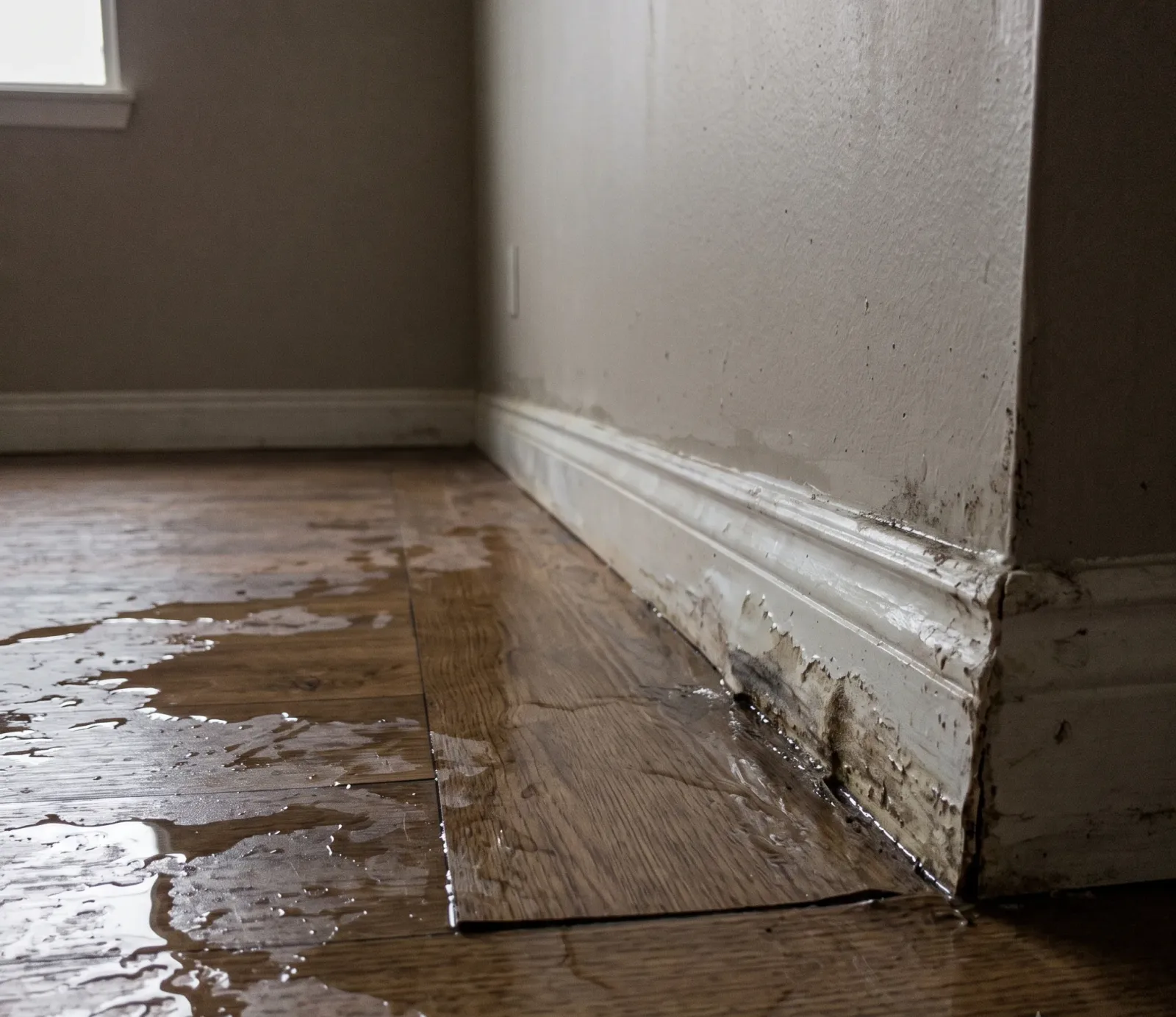
Pool use, and equipment strain, peaks during Fort Lauderdale's hot months, but a worn seal or pipe corrosion can fail any time of year, unlike storm surge or king tide flooding tied to hurricane season.
A pool equipment leak shows up as constant dampness near the pump, filter, or heater pad, often with a musty smell along the slab where the equipment sits. Unlike a burst pipe, it rarely floods a room fast — it soaks the ground and nearby walls slowly, over days or weeks, until baseboards and drywall near that exterior wall start to soften.
Sunrise Boulevard and Federal Highway both flood in a hard downpour, and that same runoff finds its way under doors in Victoria Park and Colee Hammock long before the streets fully drain.
Wet soil at the equipment pad on days the pool has not been backwashed usually means a leaking union, seal, or pipe corrosion feeding water straight into the ground near the pad.
A running pump that never seems to build normal pressure often points to a crack somewhere between the pump and filter, losing water instead of circulating it.
A faint chlorine smell along the nearest interior wall, distinct from a musty AC condensate smell, suggests pool water has already reached the wall cavity.
A noticeably higher water bill with no other plumbing change can mean the leak has been running longer than the wet ground alone suggests.
Cracking or heaving in the pad concrete itself often means water has been undermining the base for a while, not just pooling on top.
Fort Lauderdale's pool-heavy yards, from Coral Ridge to Weston's Isles at Weston, put equipment pads close to slab walls, so a small pad leak reaches living space faster than in a home with more yard between pad and wall.
The shallow water table under most Fort Lauderdale slabs means ground already holding moisture gives a pad leak less room to drain away before it pushes toward the foundation.
Drying takes longer here than the drying-time chart suggests. Fort Lauderdale's shallow water table keeps pushing ground moisture up into a slab after the visible water is gone. The licensed pros we connect you with recheck moisture levels over several days instead of closing the job on day one.
AC condensate line leak, since both produce a damp patch near an exterior wall from equipment most homeowners rarely inspect. Homeowners often mistake this for a slab leak or supply line failure because both leave standing water near a wall. The difference is location and pattern: pool equipment leaks stay near the pad and worsen only when the pump runs, while a slab leak spreads under interior flooring and often raises the water bill even when the pool is off.
The licensed pros we connect you with isolate the equipment leak first, confirming it is not a supply line or slab leak feeding the same wet area, since treating the wrong source wastes time on a Fort Lauderdale slab foundation.
They measure moisture into the nearest interior wall and flooring, since chlorinated water at a pool pad can travel further under a slab than a plain sewage backup or roof leak would, and drying has to match how far it went.
Rain totals in Fort Lauderdale can turn a normal afternoon into standing water on Sunrise Boulevard within an hour. When a home near Holiday Park or the Riverwalk takes on water that fast, waiting even one extra day lets moisture climb higher into walls than it needs to.
| What's Included | What You Pay |
|---|---|
| Water moving through a Rio Vista or Harbor Beach home does not wait for anyone to feel ready. Floors near the New River and the Intracoastal take on water fast during a tropical downpour, and the clock for drying starts the moment it does. The licensed pros we connect you with answer that call. | Every Fort Lauderdale home sits on a concrete slab, so damage starts at the floor and climbs, not from a basement below. Near the New River or the Intracoastal, ground moisture keeps feeding the slab from underneath even after the visible water is gone, which is why drying takes longer than owners expect. |
| Storm season stretches long here, and Broadview Park to Harbor Beach all wait on the same radar. A named storm rarely finishes the job alone; the days after, with wet slabs and closed-up rooms, do real damage too. The licensed pros we connect you with plan around both halves of that timeline, not just the first one. | Water at floor level near Rio Vista or the Las Olas Isles moves fast, because every home here sits on a concrete slab, not a basement. There is no lower level to catch it first. Once it soaks flooring and drywall, drying it out is a race against a shallow water table that keeps pushing moisture back up. The licensed pros we connect you with know slab drying, not basement pumping. |
| Water moving across a slab floor in Coral Ridge or near the New River does not wait for business hours. Crews on call now handle the extraction, drying and mold checks that follow king tides, tropical downpours or a flat roof leak, and get someone out fast whether you are in Victoria Park or closer to Sunrise. | Storm surge near Harbor Beach and canal overflow along the New River do not wait for permission. Once water sits on a slab foundation, moisture climbs into flooring and cabinetry faster than most homeowners expect. Reaching out early matters more than reaching out to the right company first. The licensed pros we connect you with can be on the phone within minutes, day or night. |
Shut off the pump breaker and the equipment's isolation valves if you can reach them safely. Do not keep the pump running dry, it burns the motor. Photograph puddling at the pad and any damp drywall on the nearest interior wall. Skip patching the union or cutting drywall yourself; chlorinated water and slab moisture behave differently from a toilet overflow or a shower pan leak, and guessing wastes drying time.
A pool equipment leak is water escaping the pump, filter, or heater near the equipment pad, not a burst pipe or slab leak inside the house. In a Rio Vista or Harbor Beach yard the pad sits close to the slab, so a cracked union or corroded fitting sends water under the wall plate before anyone checks the pump. Chlorinated water spreads faster than a plain plumbing drip.
Wet drywall and soaked flooring keep spreading the longer you wait. Call now and get connected with a licensed pro near Fort Lauderdale.A slab leak near Sistrunk or Melrose Park runs less than a canal-front condo flood off the Intracoastal, because water spreads across less flooring and touches fewer walls. The licensed pros we connect you with price by square footage soaked and how long moisture sat, not a flat number. pricing guide, and the service that handles this is Emergency Water Extraction.
Water Damage Restoration. A burst supply line is a sudden split in a pressurized pipe running to a sink, toilet, or washer.
Appliance Overflow Response. A washing machine overflow is sudden flooding from a failed supply line, hose, or overfilled drum, usually in a laundry closet or garage.
Sewage Backup, Fort Lauderdale. A sewage backup is contaminated water pushed back through a drain, toilet, or floor fixture instead of flowing out to the sewer or septic line.
Check whether the ground around the pump, filter, or heater stays wet on days you have not backwashed or added chemicals. Constant wetness at the pad, not just after service, points to a leak rather than normal splash-out or rain runoff.
Coverage depends on the cause. Sudden equipment failure that damages the home may be covered, but slow seepage from a worn seal or long-term pipe corrosion is usually treated as wear and maintenance, which most Fort Lauderdale homeowner policies exclude.
It can, especially in canal-front and Intracoastal-adjacent homes where the pad sits near the slab. Left alone, chlorinated water migrates under the footing and into wall cavities, reaching drywall well before a visible stain appears indoors.
The licensed pros we connect you with check the pump, filter, heater, and unions for cracks or corrosion, then trace how far water has moved toward the slab before deciding what drying equipment the affected wall or flooring needs.
Named storms push surge and rain at Fort Lauderdale together, and Port Everglades traffic and airport delays are usually the first public sign one is close. Condo owners near Galt Ocean Mile face the same slab-level intrusion as houses inland near Broadview Park. The licensed pros we connect you with respond once conditions allow safe entry.
Call (954) 910-2507