Fort Lauderdale homeowners hear "black mold" and picture a toxic threat that spreads through the air and makes a family sick overnight. The truth is less dramatic but still worth taking seriously. Stachybotrys, the species behind the name, needs sustained moisture to grow, which is exactly what a flat roof leak or an unnoticed slab-level intrusion near the Intracoastal can provide. This page separates the myth from the real health concern.
What Stachybotrys Actually Is
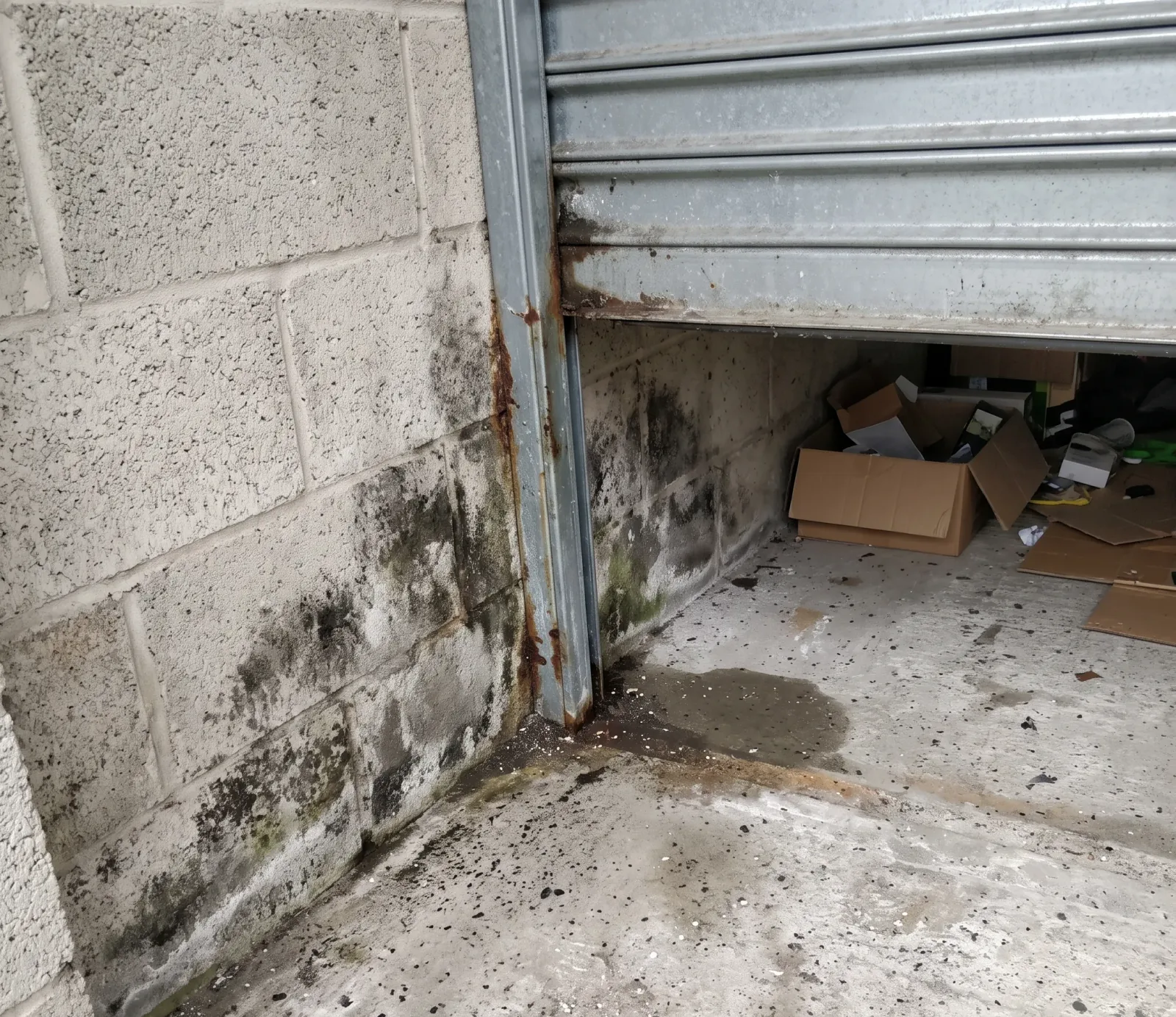
Stachybotrys is one mold species among many, identified by a dark, sometimes slimy-looking surface once it has colonized wet drywall or ceiling tile. It is not the only mold that turns dark, and not every dark patch on a Fort Lauderdale ceiling is Stachybotrys. Confirming which species is present takes lab-based species identification, not a guess from a photo or a paint color.
The Toxic Mold Myth
News coverage in the 1990s and 2000s popularized the phrase "toxic mold," but mold itself is not toxic in the way a poison is. Some strains of Stachybotrys can produce mycotoxins under certain conditions, and mycotoxins are the substances of concern, not the mold cells themselves. Whether a given colony is producing them depends on conditions that vary case by case, which is why blanket claims about any mold sample being dangerous overstate what is known.
Who Is Actually At Risk
For most healthy adults in Fort Lauderdale, exposure to household mold causes irritation, not lasting harm. People with asthma, allergies, or a weakened immune system are the ones most likely to notice real symptoms. Children and older adults in a Sistrunk or Melrose Park home with a slow leak may react faster than a healthy adult living in the same conditions.
Common Health Effects
The health effects tied to indoor mold are usually respiratory irritation: coughing, a scratchy throat, or sinus congestion that will not clear. Some people develop an allergic reaction with sneezing, itchy eyes, or a skin rash after contact. These symptoms overlap with a cold or seasonal allergies, which is part of why mold exposure is often missed until the source is found.
Sensitivity Varies By Person
Two people in the same Coral Ridge or Victoria Park household can be exposed to the same mold and react completely differently. Sensitivity depends on prior exposure, existing lung or sinus conditions, and simple individual variation that has nothing to do with how dark or how much mold is visible. A small patch can bother a sensitive person more than a larger patch bothers someone without that sensitivity.
Why Species ID Rarely Changes Anything
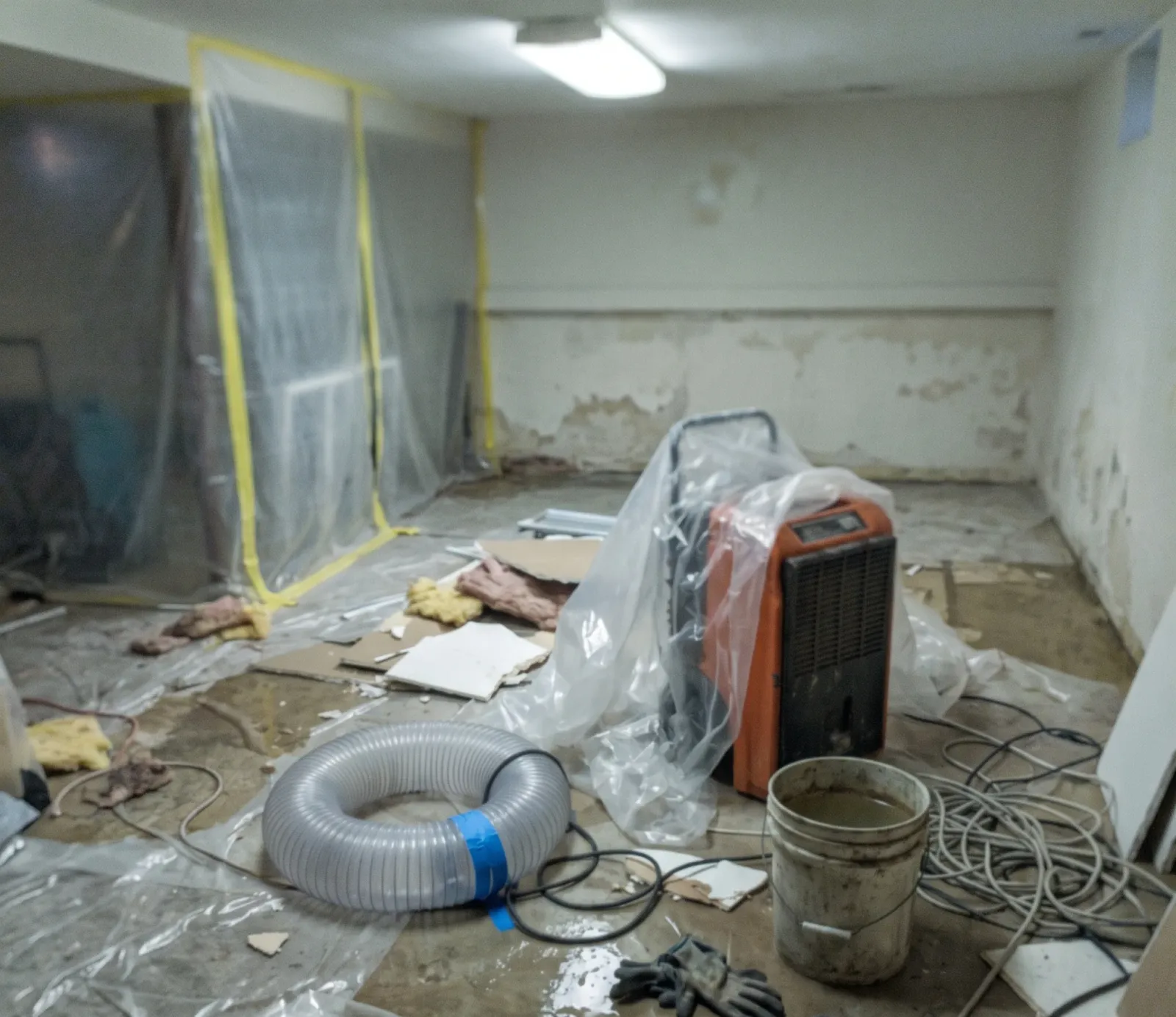
Whether a colony turns out to be Stachybotrys, Cladosporium, or Aspergillus, the response is nearly always the same: find the moisture source, remove the affected material, and dry the space so it cannot return. Species identification satisfies curiosity and can matter for a health provider treating specific symptoms, but it rarely changes the physical work needed in a Fort Lauderdale home or condo.
Air Quality Testing, Explained
Air quality testing measures spore count in a sample of indoor air, then compares it to an outdoor sample or a different room. There is no federal numeric limit that testing checks against, so a result is read as a comparison, not a pass-or-fail score. Testing can help confirm a problem exists or track progress after cleanup, but it is a tool, not a verdict on safety.
What A Visible Patch Means
Stachybotrys gets called black mold, but color alone never identifies a species. Cladosporium, Aspergillus, and Penicillium also grow dark or greenish colonies, and only lab testing tells them apart. In a Fort Lauderdale home near the New River or a canal, a dark patch on drywall after a leak deserves species identification before anyone assumes the worst or dismisses it outright.
Older Homes And Older Materials
Neighborhoods with older, mid-20th-century slab-on-grade construction, like parts of Sistrunk or Broadview Park, sometimes have wall materials that hold moisture longer than newer construction. That does not mean older homes are more dangerous, only that a slow leak can go unnoticed longer inside those walls. Newer infill construction is not immune either; any structure with an unresolved leak can develop the same conditions.
Separating Fact From Overreaction
It is fair to take a dark mold patch seriously without assuming the worst. The evidence supports treating any significant indoor mold growth as a health and moisture problem worth fixing, not treating every dark spot as an emergency requiring alarm. Overreacting and underreacting both lead to the same mistake: skipping the actual question, which is where the moisture is coming from.
When To Get It Looked At
Air quality testing has a role, but it will not hand you a pass-or-fail number. There is no federal spore-count threshold to clear, so a Fort Lauderdale homeowner in Coral Ridge or Victoria Park is better served asking what species turned up and whether visible growth remains, not chasing a score that does not exist in any government standard.
Dealing with this in your home?
Fort Lauderdale sits barely above sea level, so water damage rarely waits for a burst pipe. Tropical downpours and king tides push water across slab foundations in Victoria Park, Rio Vista, and Wilton Manors alike. The licensed pros we connect you with know slab drying takes longer here, since the shallow water table keeps feeding moisture back up from underneath.