A homeowner near the New River or along a canal in Rio Vista often asks the same question after a leak is fixed: is the water really gone, or is it still sitting inside the wall? An infrared camera answers that without cutting into drywall. It reads surface temperature, not water itself, and a trained eye reads the pattern that damp material leaves behind. That is the whole idea behind thermal imaging in a Fort Lauderdale water damage inspection.
What The Camera Actually Sees
An infrared camera does not see water. It sees heat. Wet drywall or wet flooring cools faster than dry material nearby, and that cooling shows up as a distinct cool spot on screen. In a humid city like Fort Lauderdale, where indoor air conditioning keeps a steady temperature differential against the outside heat, that contrast is often sharp enough to spot right away.
Reading A Thermal Signature
Every material gives off a thermal signature based on how it holds and releases heat. Drywall, tile, and wood each behave differently, so the person reading the image has to know what is normal for that surface before calling anything unusual. A patch of tile near Las Olas Boulevard will not read the same as drywall in a Victoria Park bungalow, even with identical moisture underneath.
Why No Demolition Is Needed
The main appeal of this approach is that it is non-invasive. Instead of cutting into a wall cavity to check for subsurface moisture, the camera scans the surface from a few feet away and flags where a closer check is worth doing. For a condo owner near Galt Ocean Mile, that can mean confirming a leak without opening a single wall.
Where It Gets Used Indoors
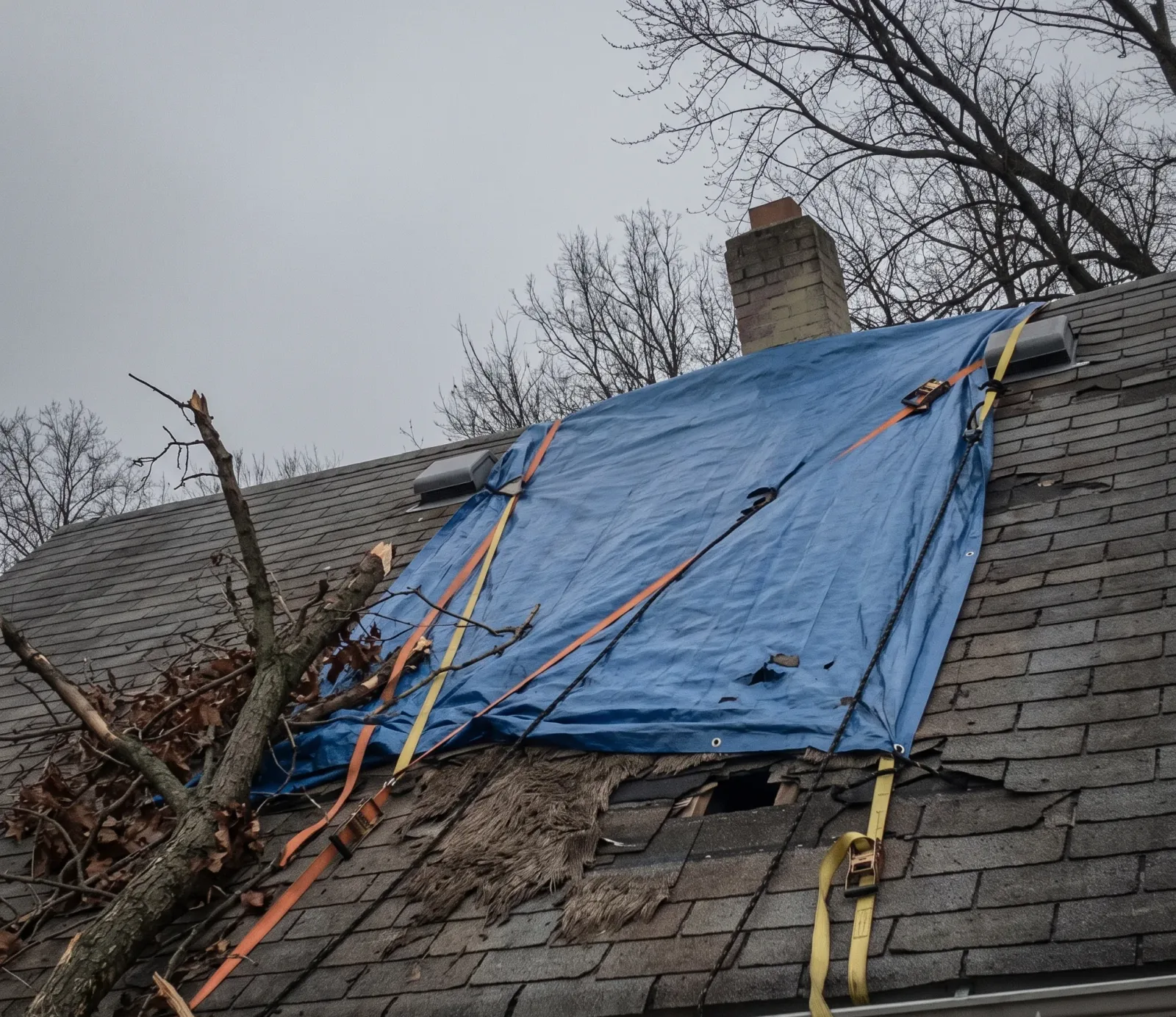
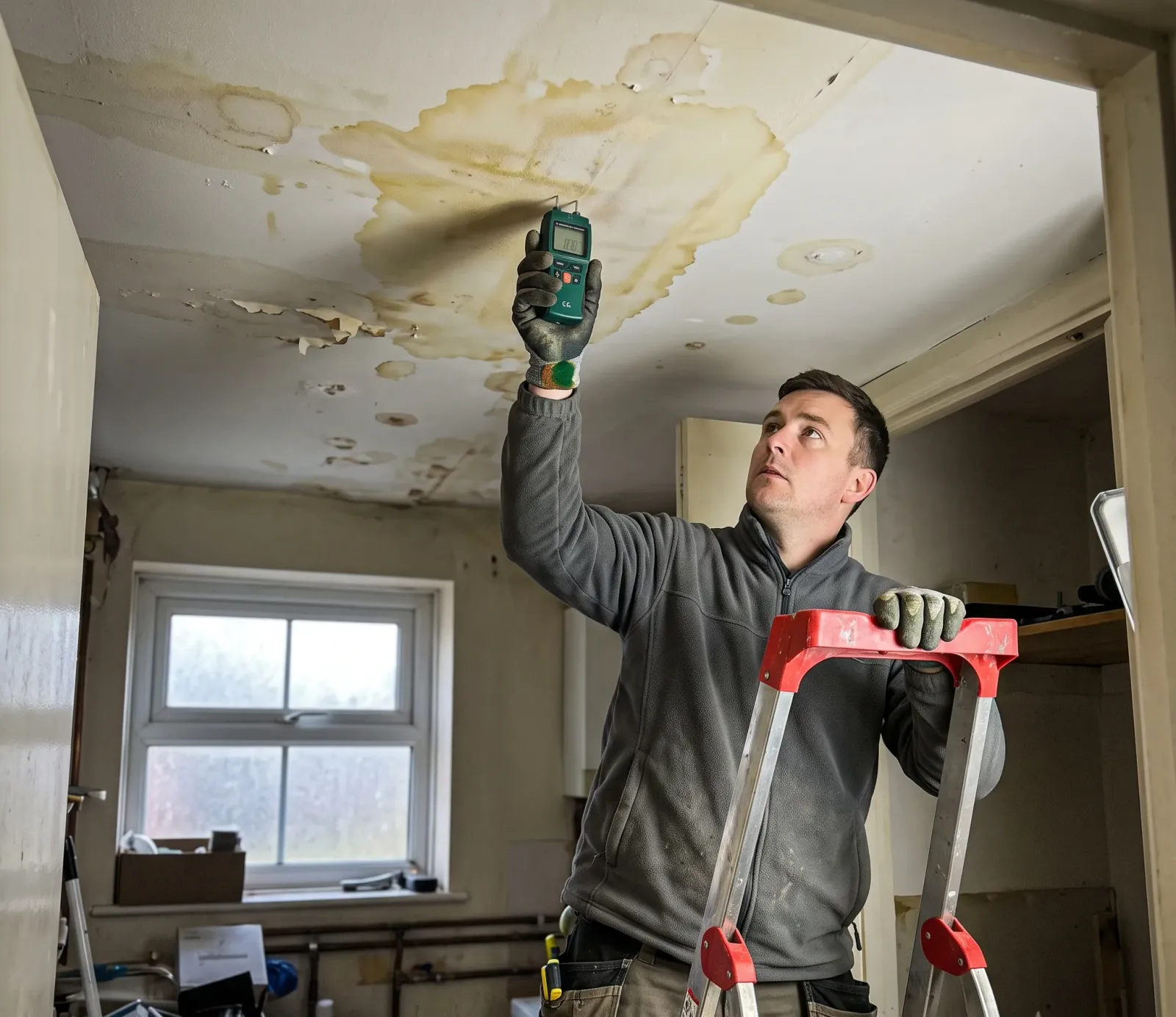
Inside a home, the camera is aimed at walls, ceilings, and flooring after a known event, such as a tropical downpour finding its way past a flat roof seam. It can trace a moisture profile from the entry point outward, showing whether water traveled sideways along a stud or dropped straight down, which shapes where drying equipment needs to go.
Slab Floors Change The Picture
None of this replaces a moisture meter. A thermal signature only points to a likely cool spot; a probe or pinless meter on that same spot in the wall cavity confirms subsurface moisture is actually there. Skipping that step invites a false positive, since a cool patch can come from an AC vent, insulation gap, or shaded exterior wall instead. Fort Lauderdale's slab construction and high water table make that second check worth the extra minute.
The Limits Worth Knowing
Thermal imaging has a real limit: it can produce a false positive. A cool spot might come from an air conditioning duct, a shaded exterior wall, or a gap in insulation rather than water at all. Emissivity, or how a surface radiates heat, also varies by material, which is why the image alone is a lead to check, not a final answer.
Confirming What The Image Shows
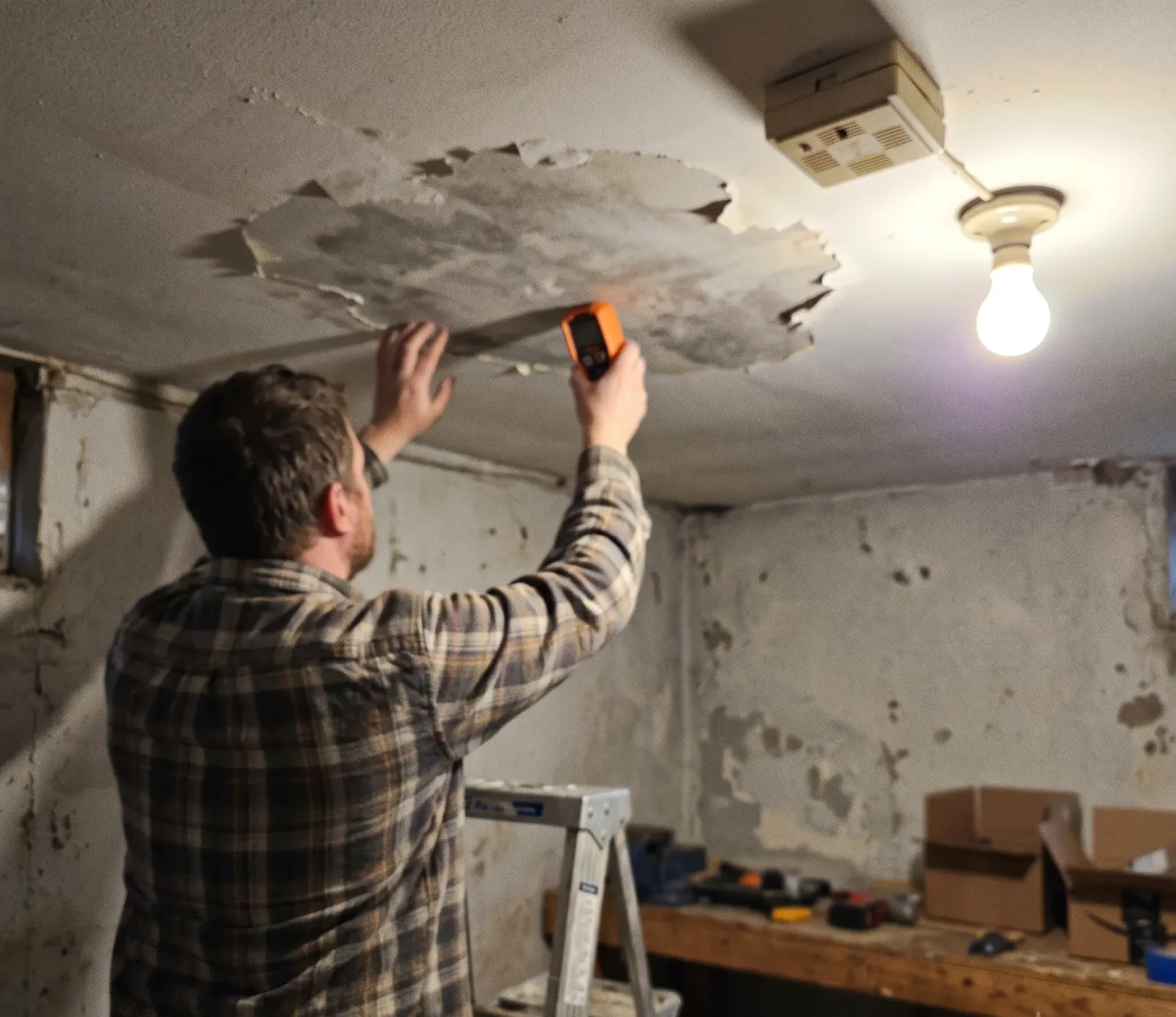
Because a camera reads temperature and not water content directly, a second tool usually follows: a moisture meter pressed against the surface itself. Pairing the two turns a visual clue into a confirmed reading. Near Coral Ridge or Imperial Point, where many homes share similar drywall and slab construction, this two-step check keeps guesswork out of the result.
After A Named Storm Passes
During hurricane season, from June through November, a home can look dry on the surface within a day while water is still moving through a wall cavity underneath. A scan done soon after storm surge or heavy rain recedes can catch moisture before it reaches drywall paper and starts feeding mold growth out of sight.
What Homeowners Can Expect
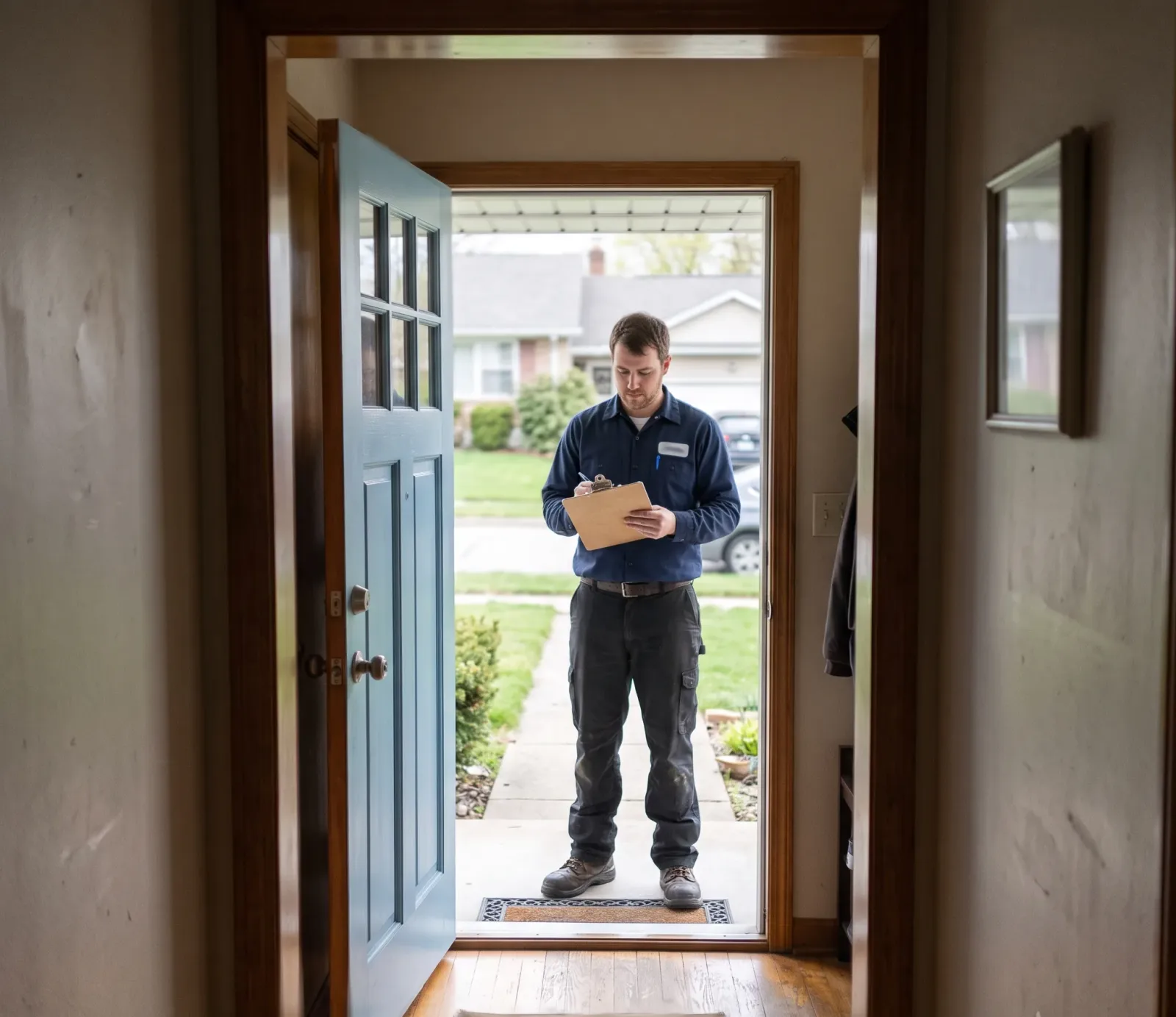
A typical scan takes a short walkthrough of the affected rooms, camera in hand, checking baseboards, ceiling corners, and areas around windows and doors. No furniture needs to move far and no material is cut during this step. Any cool spot worth a closer look gets marked and checked with a moisture meter before anyone plans next steps.
Condos And Townhomes Too
This inspection method works the same in a condo tower near Harbor Beach as it does in a single-family house in Melrose Park. Shared walls and concrete construction common to condo and townhome living can actually make thermal patterns easier to read, since the surrounding material stays consistent from unit to unit.
When To Ask For A Scan
A scan makes the most sense after a known leak, a storm, or a musty smell that has no obvious source. It will not fix anything by itself, but it narrows down where a problem actually is before anyone opens a wall. From there, the licensed pros we connect you with can decide what, if anything, needs to happen next.
Dealing with this in your home?
Fort Lauderdale sits barely above sea level, so water damage rarely waits for a burst pipe. Tropical downpours and king tides push water across slab foundations in Victoria Park, Rio Vista, and Wilton Manors alike. The licensed pros we connect you with know slab drying takes longer here, since the shallow water table keeps feeding moisture back up from underneath.