Before any cleanup starts in your Fort Lauderdale home, take a wide shot of every affected area, then close-up photos of the worst damage, with a timestamp visible if your camera adds one. Walk through with a video walkthrough, narrating room by room. Note moisture readings if you have a meter. List damaged contents for your inventory list, and pull receipts or serial numbers for anything valuable. Save digital backups in two places before anything gets moved or tossed.
Start With A Wide Shot
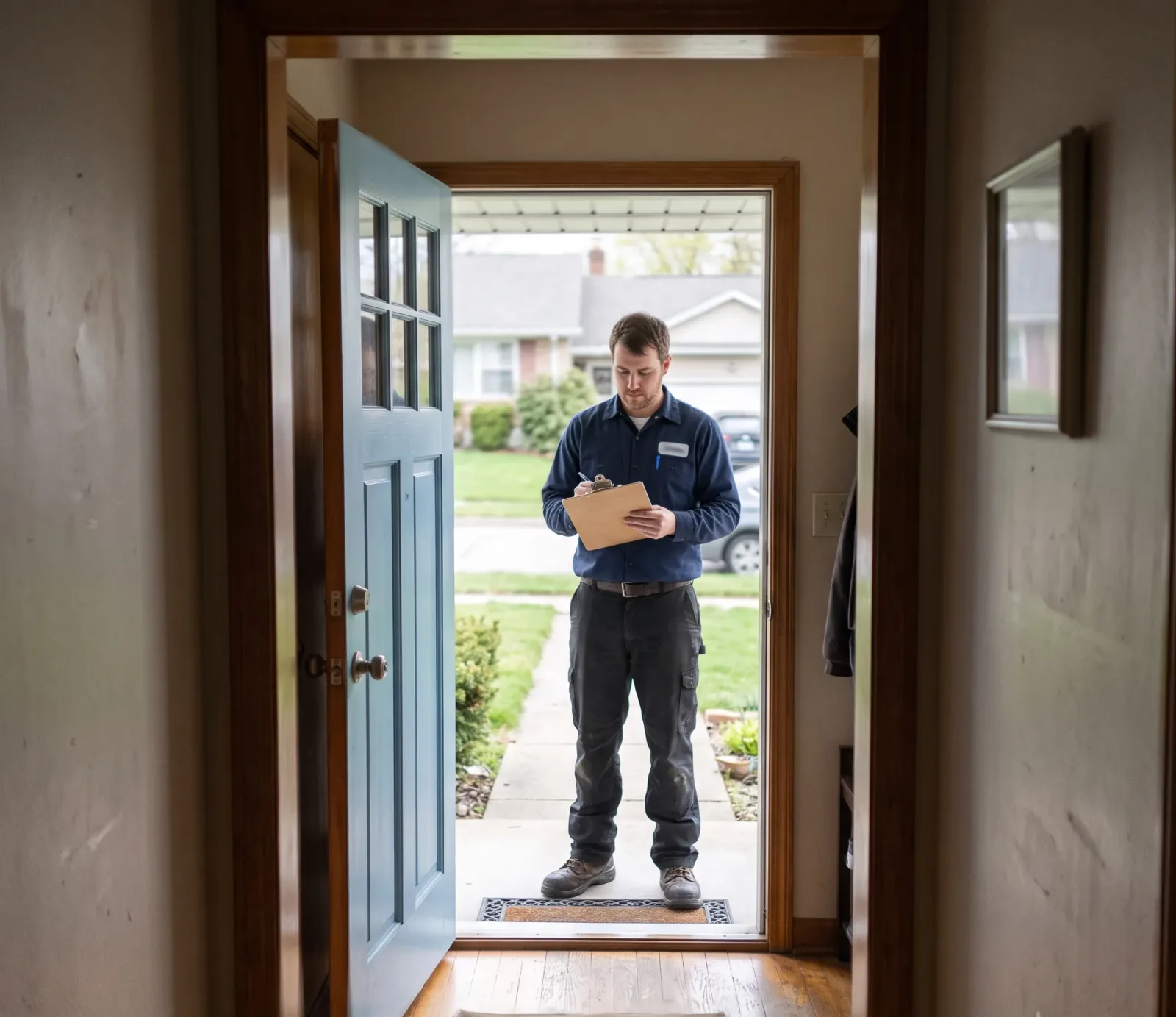
Before touching anything, stand in the doorway of each affected area and take a wide shot of the whole room. This gives a sense of scale that a close-up can't. Do this for every room the water reached, whether it's a canal-front house near the Intracoastal or a condo off Sunrise Boulevard.
Move To Close-Up Photos
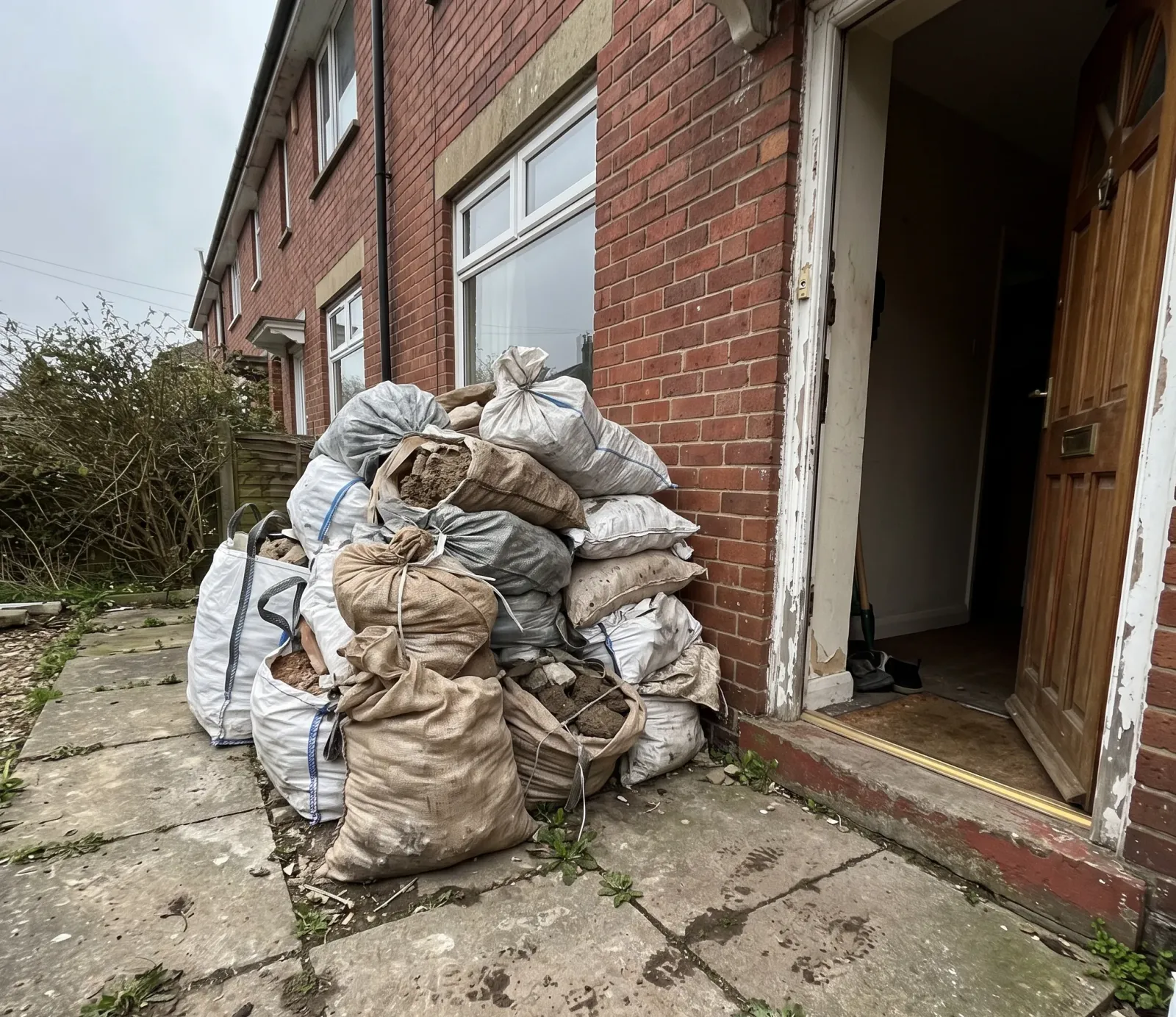
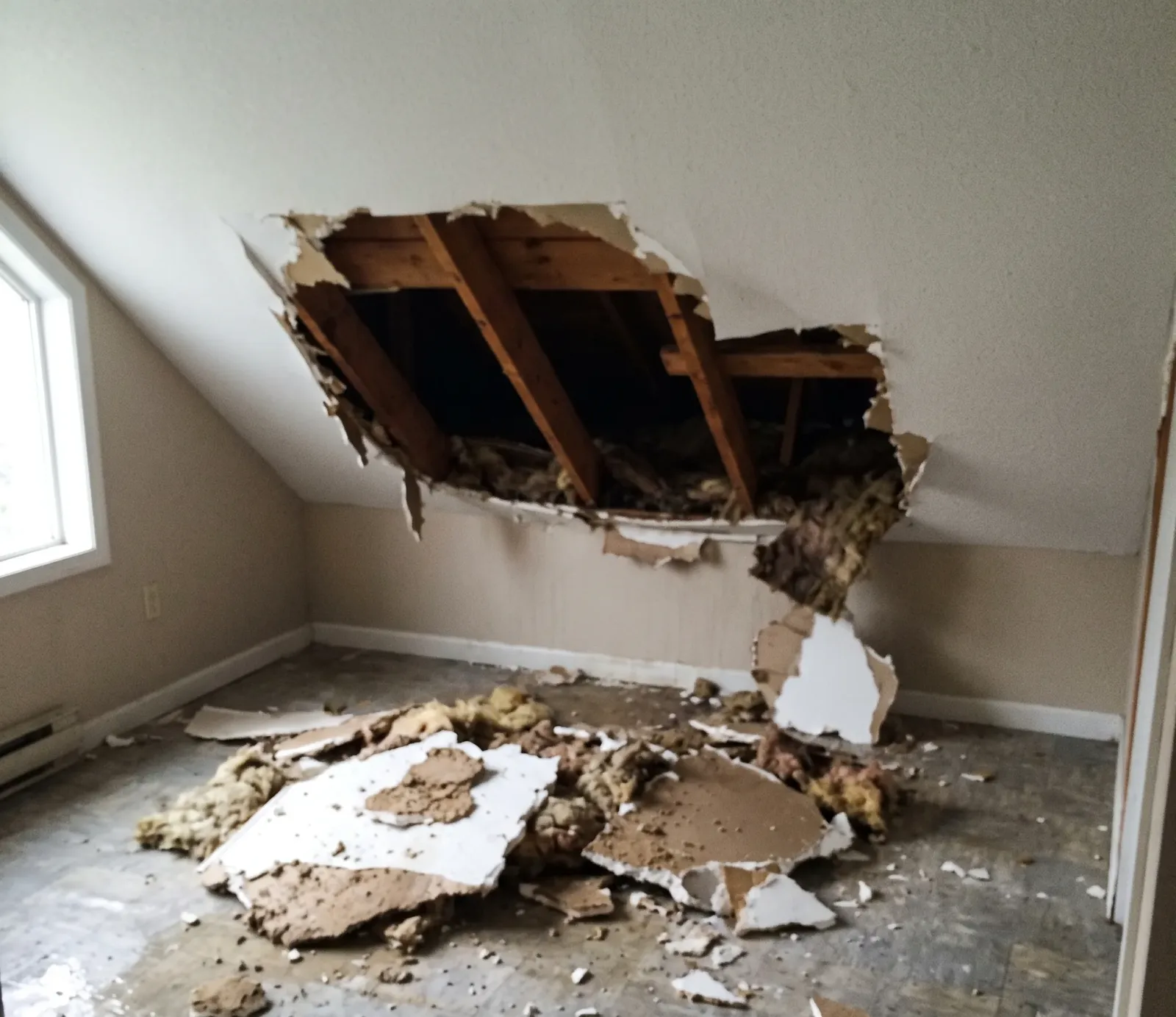
Once the wide shots are done, move in for a close-up photo of specific damage: warped baseboards, bubbled paint, soaked carpet edges. Get low and get close. A blurry photo taken in a rush is worse than no photo, since it can't be used later to show what the water actually touched.
Record A Video Walkthrough
A video walkthrough fills the gaps that still photos miss. Narrate as you walk through Coral Ridge or Harbor Beach style rooms, pointing out water lines on walls, ceiling stains, and anything that smells off. Speak the date and the address out loud as you go so the recording carries its own timestamp.
Write Down Every Timestamp
Every photo and video should carry a timestamp, either from the phone's built-in metadata or spoken on camera. Insurers and adjusters want to know when the damage was documented relative to when the water arrived. A photo with no timestamp is a photo someone can question later.
List Every Damaged Item
Make an inventory list before anything gets moved or thrown out. Go room by room and write down furniture, electronics, rugs, and anything else touched by water. This matters as much in a Sistrunk bungalow as it does in a high-rise near Las Olas Boulevard; the list is what turns memory into a record.
Keep Receipts And Serial Numbers
Next to each item on the inventory list, note a receipt if one still exists, plus a serial number for electronics and appliances. A receipt proves value. A serial number proves the item was real and specific, not a guess written down after the fact.
Note Each Moisture Reading
If a moisture meter is available, write down a moisture reading from each affected area, not just a description like "wet" or "damp." A number holds up better than an adjective. Even a rough reading taken near a baseboard or under a window helps show how far the water traveled.
Back Up Everything Twice
Take a before photo of anything that still looks untouched but sits close to the affected area, like a Woodlands or Melrose Park living room just past where the water stopped. This shows the boundary of the damage and protects against a claim that damage spread further than it did.
Protect Your Chain Of Custody
Save a digital backup of every photo and video in at least two places, such as cloud storage and a second device. Files get lost when phones get replaced or damaged during hurricane season cleanup. A single copy sitting on one phone is not a record, it's a risk.
Photograph Condo Common Areas Too
Keep a simple chain of custody in mind: note who took each photo, on what device, and when. This matters more for larger claims or disputed ones. A folder with dates and a short note on who captured what is usually enough for a Fort Lauderdale homeowner's claim.
What To Do Next
Condo and townhome owners near Galt Ocean Mile or Coral Ridge Isles should document common areas too, not just their own unit. A flat roof leak or shared pipe failure often starts outside a single owner's walls, and documentation of hallways, stairwells, or shared mechanical rooms can matter later.
Dealing with this in your home?
Fort Lauderdale sits barely above sea level, so water damage rarely waits for a burst pipe. Tropical downpours and king tides push water across slab foundations in Victoria Park, Rio Vista, and Wilton Manors alike. The licensed pros we connect you with know slab drying takes longer here, since the shallow water table keeps feeding moisture back up from underneath.