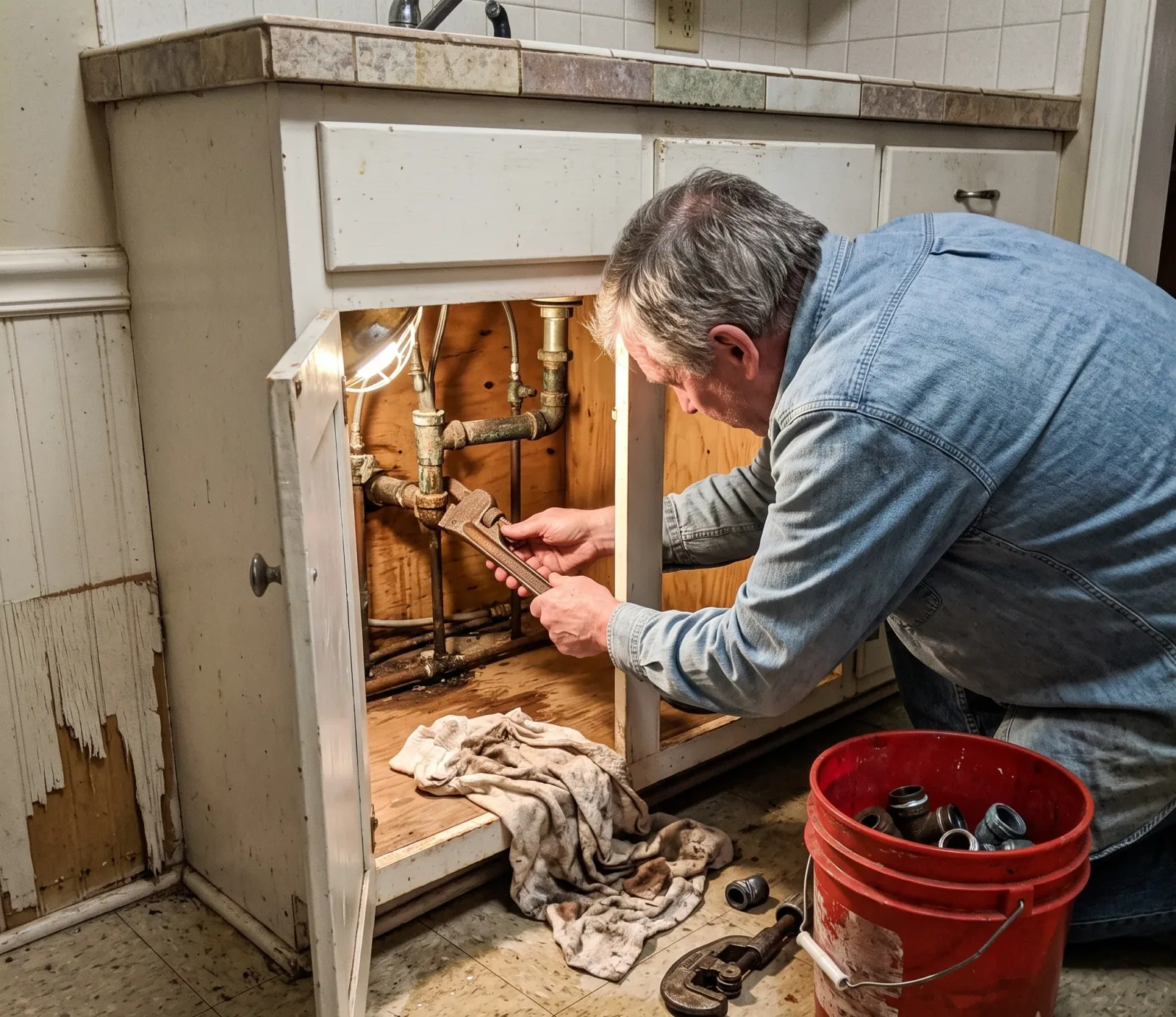
Slab Leak Detection & Repair
Finding and fixing leaks under your Fort Lauderdale home's slab foundation.
Learn about Slab Leak Detection & RepairHorse-country lots and 1980s-90s tracts on slab foundations, inland from the Intracoastal, where the flood zone risk comes from heavy rain overwhelming flat ground, not storm surge or canal tides.
Shenandoah sits in Davie, a separate town west of Fort Lauderdale, built up mostly in the 1980s and 1990s alongside older horse-country lots that give the area its semi-rural feel. Every house here stands on a concrete block shell over a slab foundation, so a burst supply line or a tropical downpour that outruns the yard's drainage sends water sideways across the floor instead of down into a basement, because there isn't one. That slab sits close to the shallow water table this part of Broward shares, which slows how fast a soaked floor actually dries even once the rain stops. Hurricane season, June through November, adds wind-driven rain through roof lines and window seals that a slab home never had to handle on a calm day. Fort Lauderdale-based referral service dispatches licensed pros who work Shenandoah jobs directly, day or night, without treating a horse-country lot any differently than a standard suburban one nearby.
Fort Lauderdale sits low near the New River and canals, so slab floors flood before basements ever could.
Shenandoah sits close to a water table that never drops far, so a slab built during 1980s-90s concrete block homes on slab foundations, some newer townhome sections has spent its whole life with moisture pressing up from underneath it, not just rain coming down. That changes where a leak shows first and how long it can sit unnoticed.
Being close to New River basin and Nearby canals changes the whole picture. Standing water in gutters, low-lying yards, and poor drainage becomes a flooding risk within a week of heavy rain, so the first thing the licensed pros we connect you with do on these properties is walk the grounds for water paths.
Shenandoah mixes horse-country lots with more standard suburban tracts, some built in the 1980s and 90s, all on concrete block over a slab foundation. Without a basement to catch runoff, a tropical downpour or storm surge pushes water straight across the floor. The licensed pros we connect you with respond any hour, any day, through hurricane season and beyond. Rain that piles up faster than storm drains near the New River can swallow it is the real threat here, not a hard freeze. A slab floods at floor level fast, and drywall starts wicking water within hours. Waiting even one night makes drying take longer.
The presence of Broward County businesses shapes the local workload. Waste handling and delivery bays are the usual pressure points, and a scheduled program around them beats reacting to a sighting on the floor.
Slab floors near the New River or Intracoastal often need longer drying schedules than inland rooms, which changes the total visit cost.
| Service | Estimated cost |
|---|---|
| Slab Leak Detection & Repair | an estimated $950–$4000 |
| Storm & Hurricane Damage Restoration | an estimated $2400–$12000 |
| Structural Drying | an estimated $1200–$4500 |
A major east-west route near Shenandoah, useful for getting a response crew across Davie and into Fort Lauderdale quickly.
Runs north-south through the area, connecting Shenandoah to Fort Lauderdale for faster after-storm response.
The nearby city center, home base for coordinating water damage response across this part of Broward County.
Finding and fixing leaks under your Fort Lauderdale home's slab foundation.
Learn about Slab Leak Detection & Repair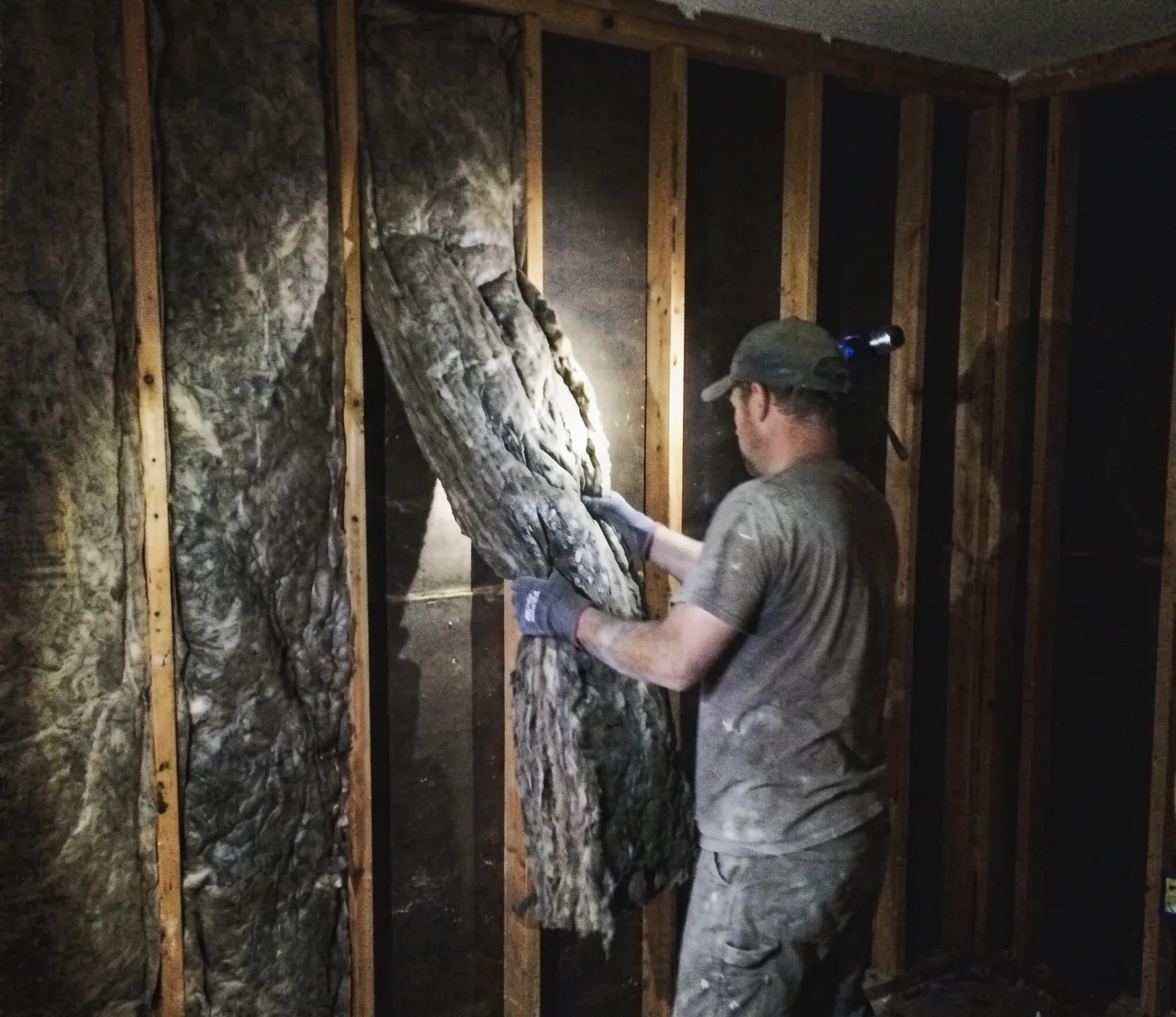
Fast help for wind, rain, and flood damage before and after the storm passes.
Learn about Storm & Hurricane Damage Restoration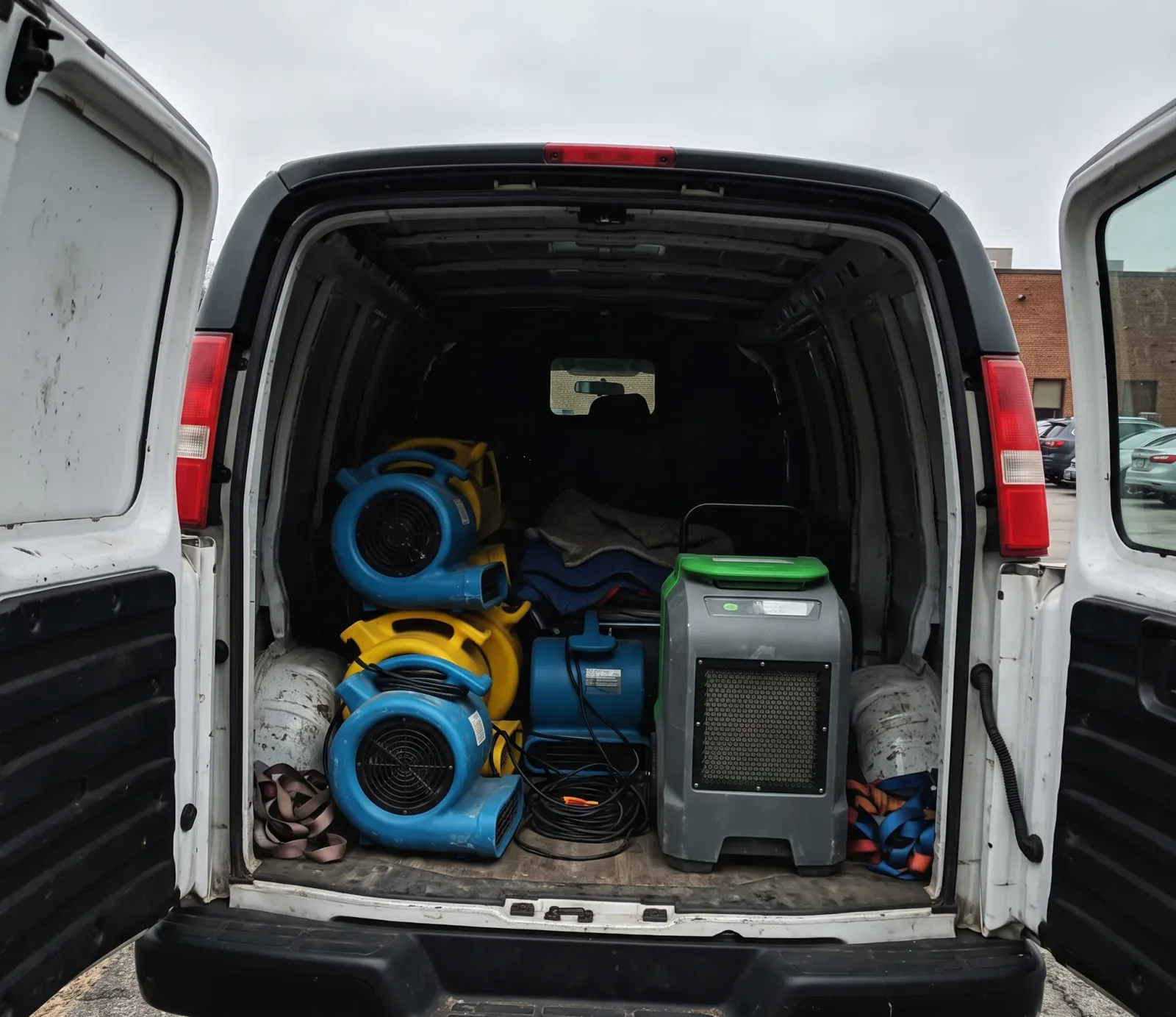
Monitored drying with daily moisture readings until materials reach dry standard
Learn about Structural Drying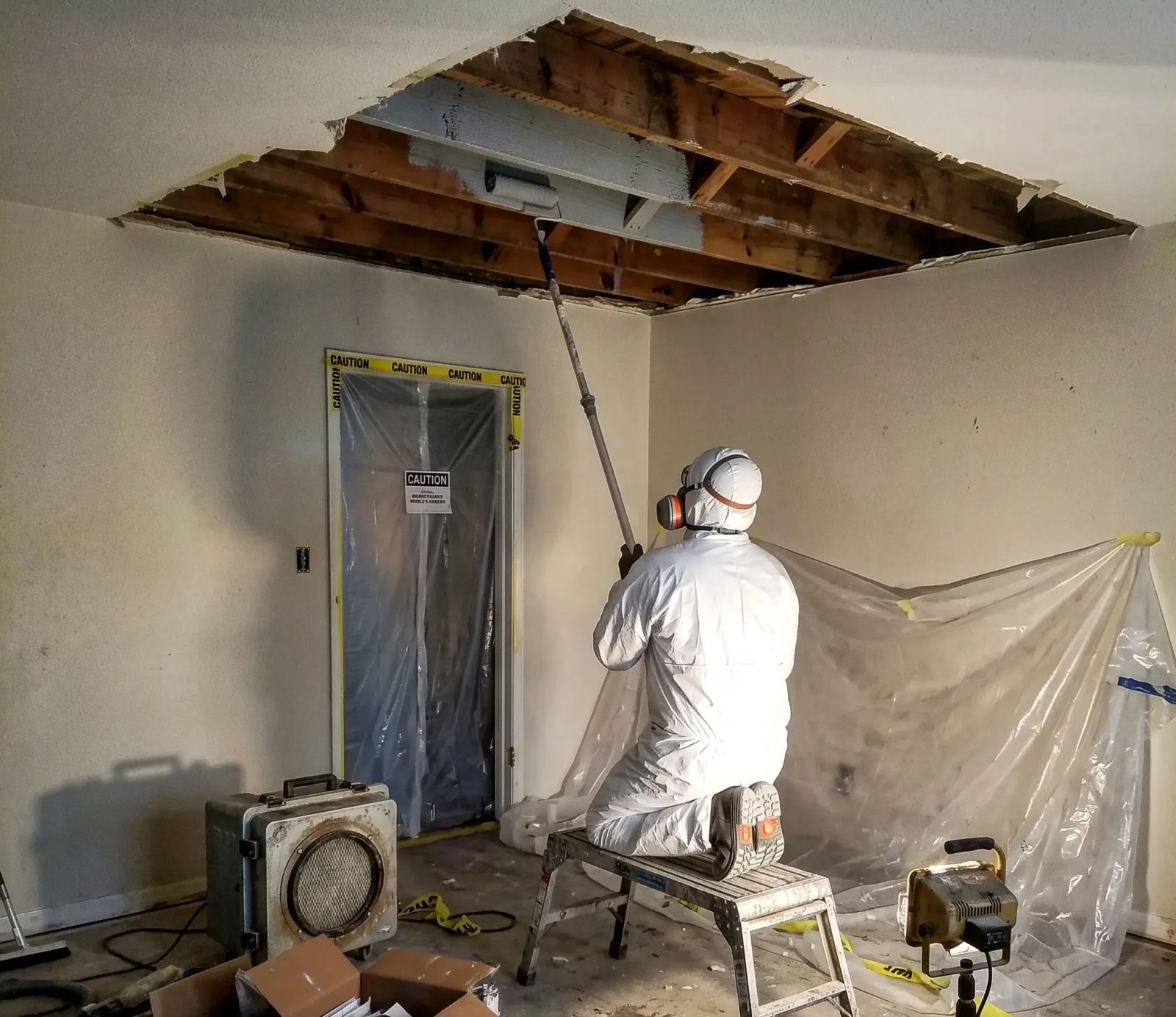
Containment and removal for active mold growth found after a leak or storm
Learn about Mold RemediationYes. Shenandoah is a Davie neighborhood, and the licensed pros we connect you with work there year-round. Homes here sit on concrete block, slab-on-grade construction with no basements, so heavy rain and tropical downpours during hurricane season mean water at floor level, not below it. Call anytime, day or night, for a fast response.
Most homes here were built in the 1980s and 1990s on concrete block with slab foundations. Water enters at floor level, so flooring, drywall, and baseboards near the slab take the damage first.
Heavy hurricane season downpours are the main risk, since flat, low-lying ground drains slowly. Older plumbing or roof leaks in the 1980s-90s sections also cause damage, along with the odd appliance or AC condensate leak.
Shenandoah is not on a barrier island or along the Intracoastal, so storm surge is a smaller factor here. The bigger risk is drainage falling behind during a heavy tropical downpour on flat, low-lying ground.
Call as soon as water is visible on the slab. Standing water moves fast into flooring and drywall, and getting extraction started quickly limits how far it spreads through the house.
A property near Sistrunk or Melrose Park with a musty smell after standing water needs someone who actually holds a Florida license for this work, not a guess. Skipping that step can leave hidden damp spots that keep growing. Ask who is licensed before anyone starts.
Fort Lauderdale runs from Victoria Park down through Harbor Beach and out past Melrose Park, and water damage does not look the same in every part of it. A condo near the Intracoastal floods differently than a bungalow off Sistrunk Boulevard. The licensed pros we connect you with have worked jobs across these neighborhoods and know how slab foundations, high water tables, and canal proximity change the drying plan. Call (954) 910-2507 to describe your street and get a straight answer.
Call (954) 910-2507