A tropical downpour drops more rain in an hour than Fort Lauderdale's storm drains were built to move. The water has nowhere fast to go, so it backs up onto the street before it ever reaches a canal. Homeowners near Sunrise Boulevard or Oakland Park Boulevard often watch the road disappear before the yard does. This page explains why, and what is and is not within a homeowner's control.
The Drains Fill Up First
Fort Lauderdale's stormwater system moves rain through pipes into canals and the New River using gravity and pump stations, not steep hills. When a downpour arrives faster than that system can move it, water rises in the street before it rises anywhere else. The city's Stormwater Operations division tracks these complaints daily, which tells you this is a known, recurring pattern, not a one-time fluke.
Flat Land Has No Downhill
Fort Lauderdale sits low and flat, so rain has almost no natural slope to run down. Water that would roll off a hillside elsewhere just sits on pavement here until a drain, canal, or pump moves it along. Neighborhoods farther from a canal, like parts of Melrose Park, can hold standing water longer simply because there is less nearby waterway to drain toward.
King Tides Push Back
During a king tide, water in the Intracoastal and connecting canals rises higher than usual and can push back up through storm drains instead of letting street water out. The City of Fort Lauderdale has documented this happening on residential streets, sometimes requiring no-wake restrictions nearby. A downpour during a king tide is the worst combination, since the drain that should be helping is doing the opposite.
The High Water Table Matters
Fort Lauderdale's groundwater sits close to the surface citywide. When the ground is already saturated, a heavy rain has less room to soak in before it starts pooling on top instead. That standing water then takes longer to disappear, because it cannot drain downward the way it might where the water table sits deeper underground.
Slab Foundations Sit At Grade
A slab floor sits at whatever height the builder poured it, and older streets near Melrose Park and River Oaks were often poured close to grade. Once water on the street rises past that level, it moves under the door, not through a wall. There is no basement to catch it first. Raising the home or the street is the only real fix, and neither is quick or cheap.
Why 2023 Was Different
Fort Lauderdale sits flat and low, so its canals and storm drains do the work hills would do elsewhere. During hurricane season, a tropical downpour can drop more rain than those outfalls move in that same hour, and water backs up onto the street before it can reach the New River or the Intracoastal. Nothing is broken. The pipes are simply full.
What A Homeowner Can Control
A homeowner can keep gutters and yard drains clear of leaves and debris, and can report a clogged street drain to the city's Stormwater Operations line so it gets checked. Grading dirt away from the home's slab, where possible, also helps rainwater move away instead of pooling against the foundation. These steps reduce risk; they do not remove it.
What A Homeowner Cannot Control
No homeowner can resize the city's storm drains, raise a street's elevation, or stop a king tide from pushing water up a canal. The pace of stormwater upgrades, including projects tied to the New River canal system, is set by the city, not by any one property owner. That gap between effort and outcome is often the most frustrating part for people living here.
Watching The Water Rise
Streets near canals or the Intracoastal, including areas around Las Olas Isles and Rio Vista, tend to show flooding first simply because they sit closest to the water that is rising. That is not a flaw specific to those streets; it is where the water goes once the drains are full. Watching how fast a street rises after rain starts is a useful early warning for a nearby home.
During Hurricane Season
Hurricane season runs June through November, and storm surge adds a third source of water on top of rain and king tides. A tropical system does not need to make direct landfall to dump the kind of rainfall that overwhelms drains for hours. Homeowners near canal-front lots should expect street flooding to arrive faster during these months than the rest of the year.
When Water Reaches The Floor
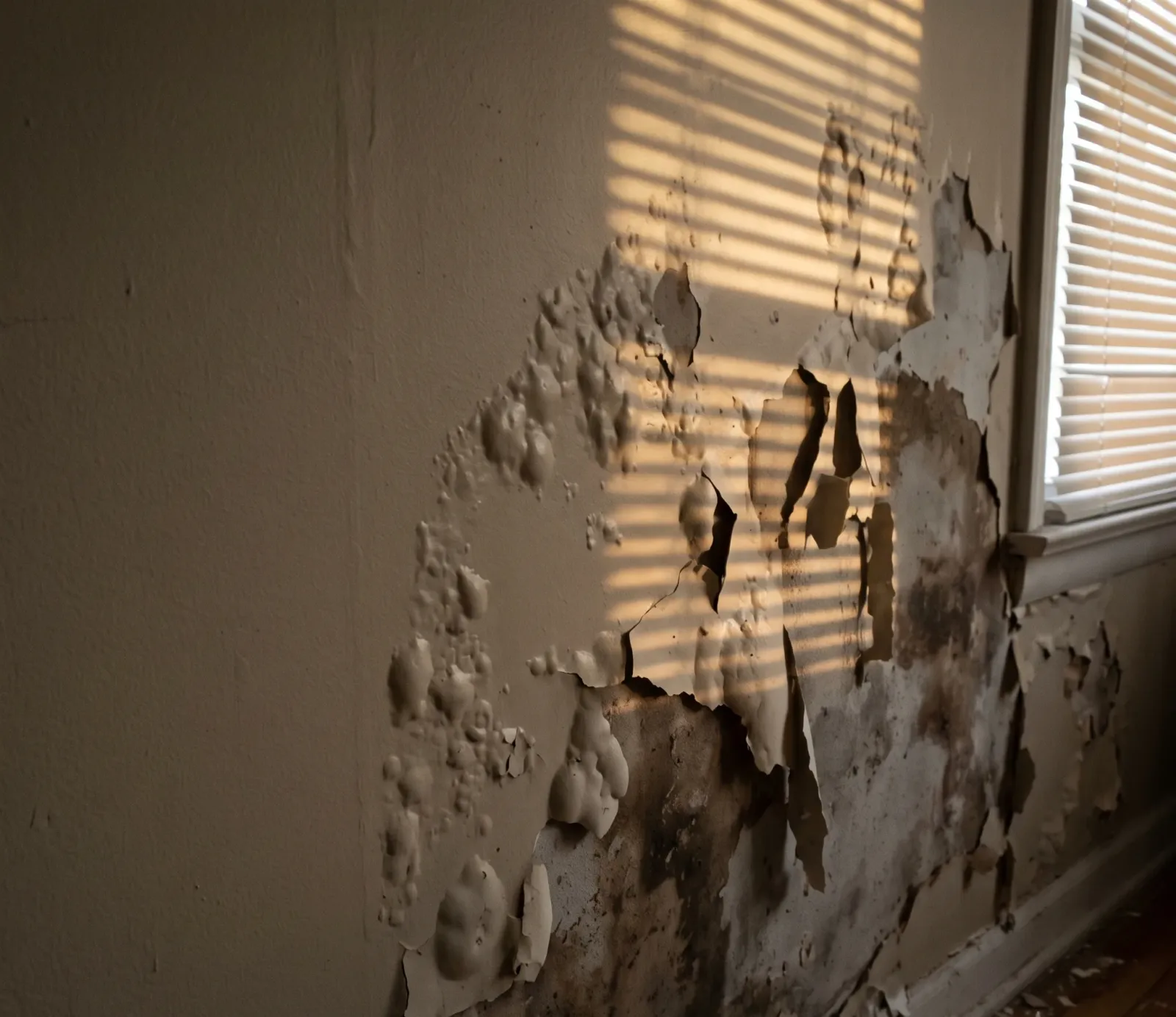
Once street water crosses a slab's threshold, it behaves like any other water damage: flooring, drywall, and cabinetry start absorbing moisture right away. The high water table here also means ground moisture can keep rising into a slab after the surface water is gone, which affects how long drying actually takes. Acting quickly matters more than in places where the ground drains faster on its own.
Dealing with this in your home?
Fort Lauderdale sits barely above sea level, so water damage rarely waits for a burst pipe. Tropical downpours and king tides push water across slab foundations in Victoria Park, Rio Vista, and Wilton Manors alike. The licensed pros we connect you with know slab drying takes longer here, since the shallow water table keeps feeding moisture back up from underneath.