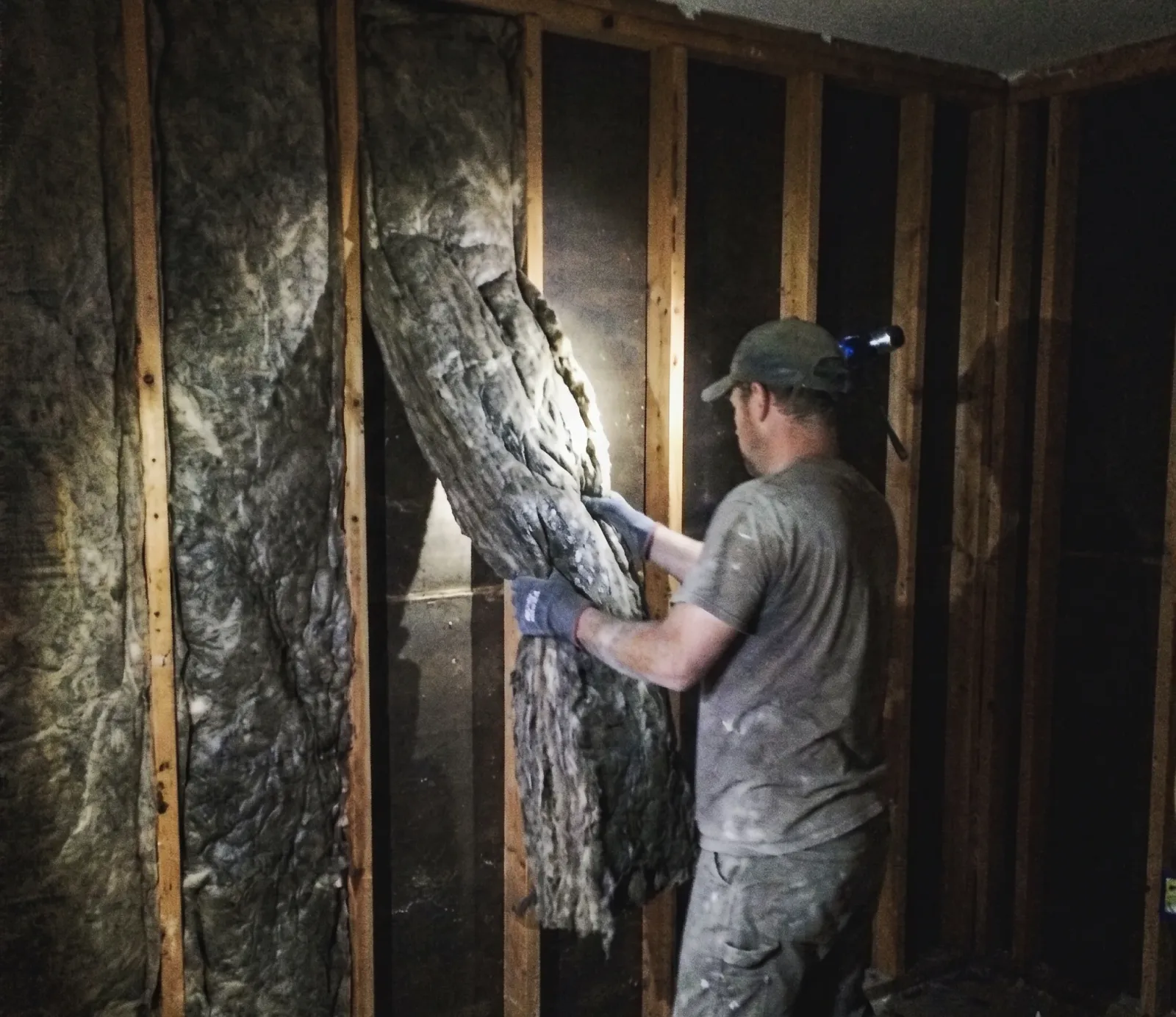
Storm & Hurricane Damage Restoration
Fast help for wind, rain, and flood damage before and after the storm passes.
Learn about Storm & Hurricane Damage RestorationA canal-front peninsula near Port Everglades where king tides and base flood elevation, not rainfall alone, decide whether a yard floods before the storm even arrives.
Harbor Beach sits on a peninsula between the Intracoastal Waterway and Port Everglades, south of Las Olas Boulevard near Rio Vista. Most lots here are canal-front or sit close enough to the Intracoastal that a king tide can push water up through the storm drains before a drop of rain falls. Homes are concrete block on slab foundations, low-lying by the elevation this part of Fort Lauderdale sits at, and many carry an elevation certificate from insurers who price flood zone exposure on the water frontage. Drainage depends on canal outfalls, not hills, so a tropical downpour on top of a high tide backs water into yards and, eventually, through the threshold. The licensed pros we connect you with answer Harbor Beach calls around the clock, day or night, hurricane season or not.
From Rio Vista to Coral Ridge, the licensed pros we connect you with answer slab flooding and storm intrusion fast.
Harbor Beach's housing stock is Mid-century and later canal-front single-family homes, concrete block construction on slab foundations, many remodeled or rebuilt. Cast-iron and galvanized plumbing from that era were built to last decades, not indefinitely, and a slab-set line failing quietly underground is a common way an older Fort Lauderdale-area home first shows water damage.
Properties sitting near Intracoastal Waterway and Port Everglades hold groundwater far longer through the wet season. Persistent humidity around a foundation or exterior wall is the single strongest predictor of mold growth and moisture-related damage, so a meter reading comes before any recommendation.
Harbor Beach's canal frontage and low-lying elevation put it near the base flood elevation lines that shape flood insurance here, so intrusion can start from the water side, not just the sky. Hurricane season runs June through November. Every storm that tracks near Fort Lauderdale can push storm surge and tropical downpours into canal-front streets from Rio Vista to Coral Ridge, faster than most owners expect.
The presence of Port Everglades shapes the local workload. Waste handling and delivery bays are the usual pressure points, and a scheduled program around them beats reacting to a sighting on the floor.
Price depends on how far water traveled under baseboards near the New River or Intracoastal before anyone called it in.
| Service | Estimated cost |
|---|---|
| Storm & Hurricane Damage Restoration | an estimated $2400–$12000 |
| Emergency Water Extraction | an estimated $450–$1600 |
| Contents & Document Restoration | an estimated $500–$3000 |
| Mold Remediation | an estimated $599–$4500 |
The Intracoastal Waterway runs along Harbor Beach, tying the neighborhood's flood risk directly to tide levels, not just rainfall.
Port Everglades sits at the peninsula's edge, and shipping-channel waters share the same tidal swings that reach Harbor Beach yards.
Las Olas Boulevard connects Harbor Beach to downtown, running along the New River corridor homeowners here cross daily.
Fast help for wind, rain, and flood damage before and after the storm passes.
Learn about Storm & Hurricane Damage Restoration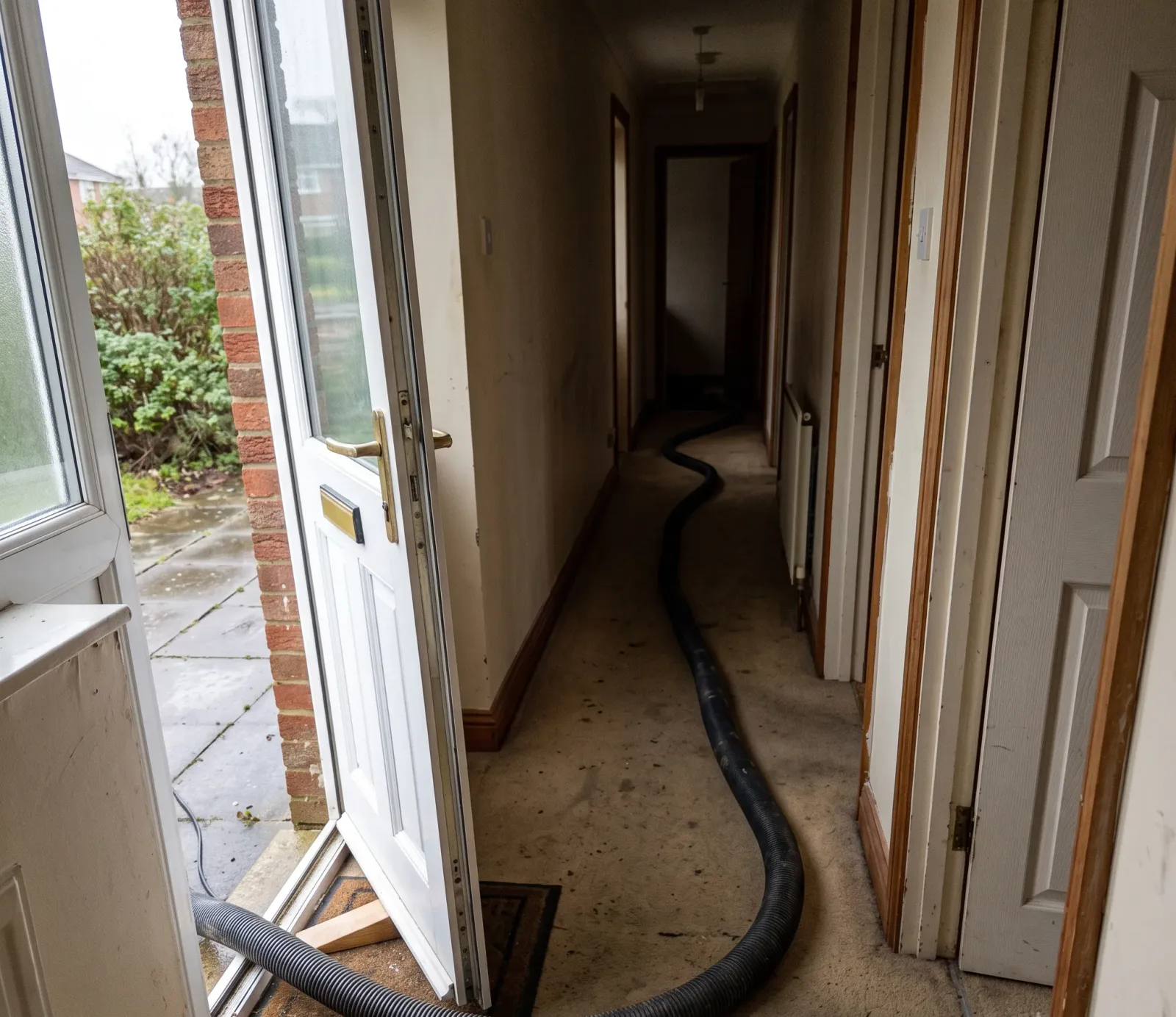
Fast water removal for Fort Lauderdale homes and businesses, day or night.
Learn about Emergency Water Extraction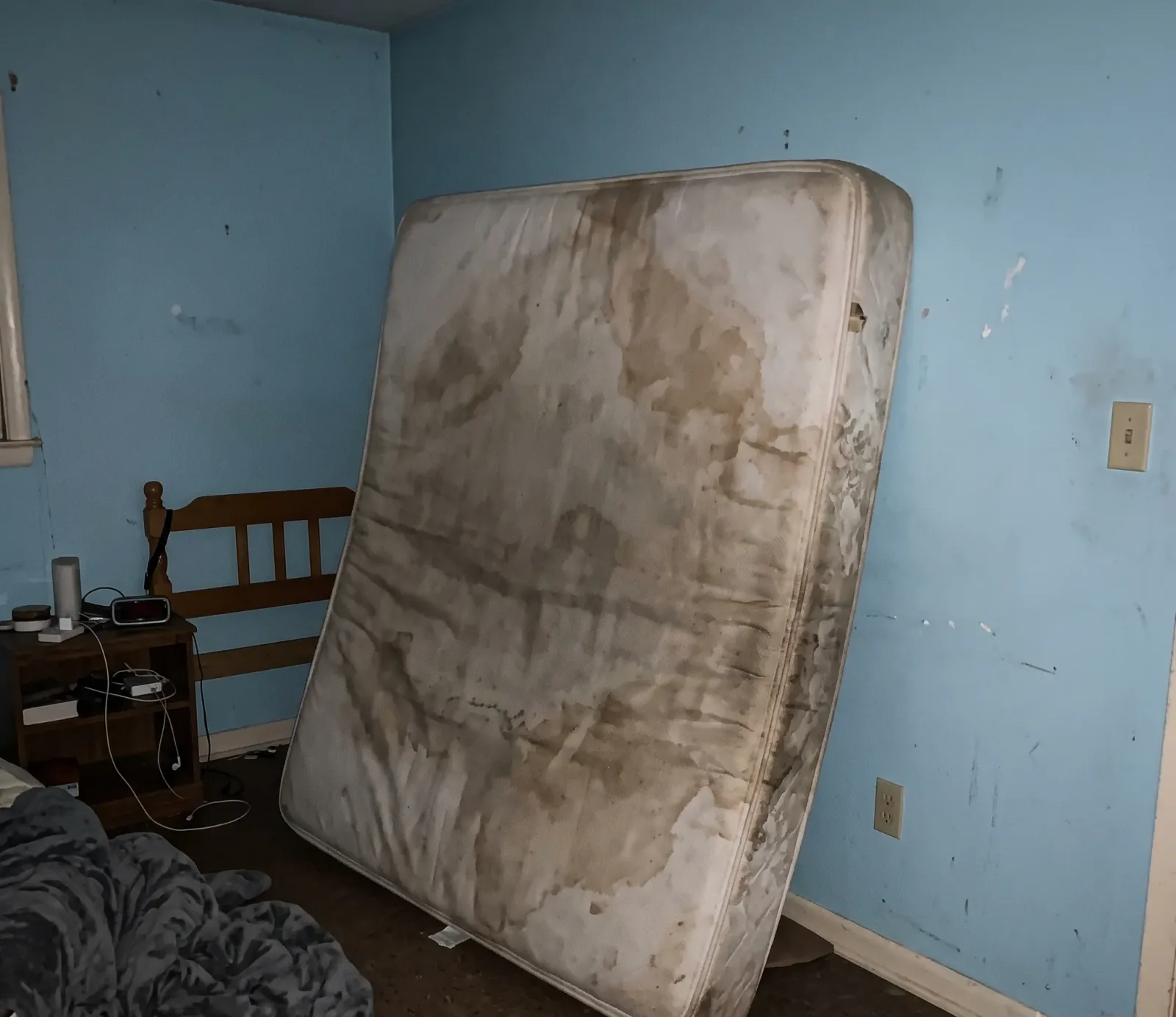
Pack-out, drying, and storage for flooded homes near the Intracoastal
Learn about Contents & Document Restoration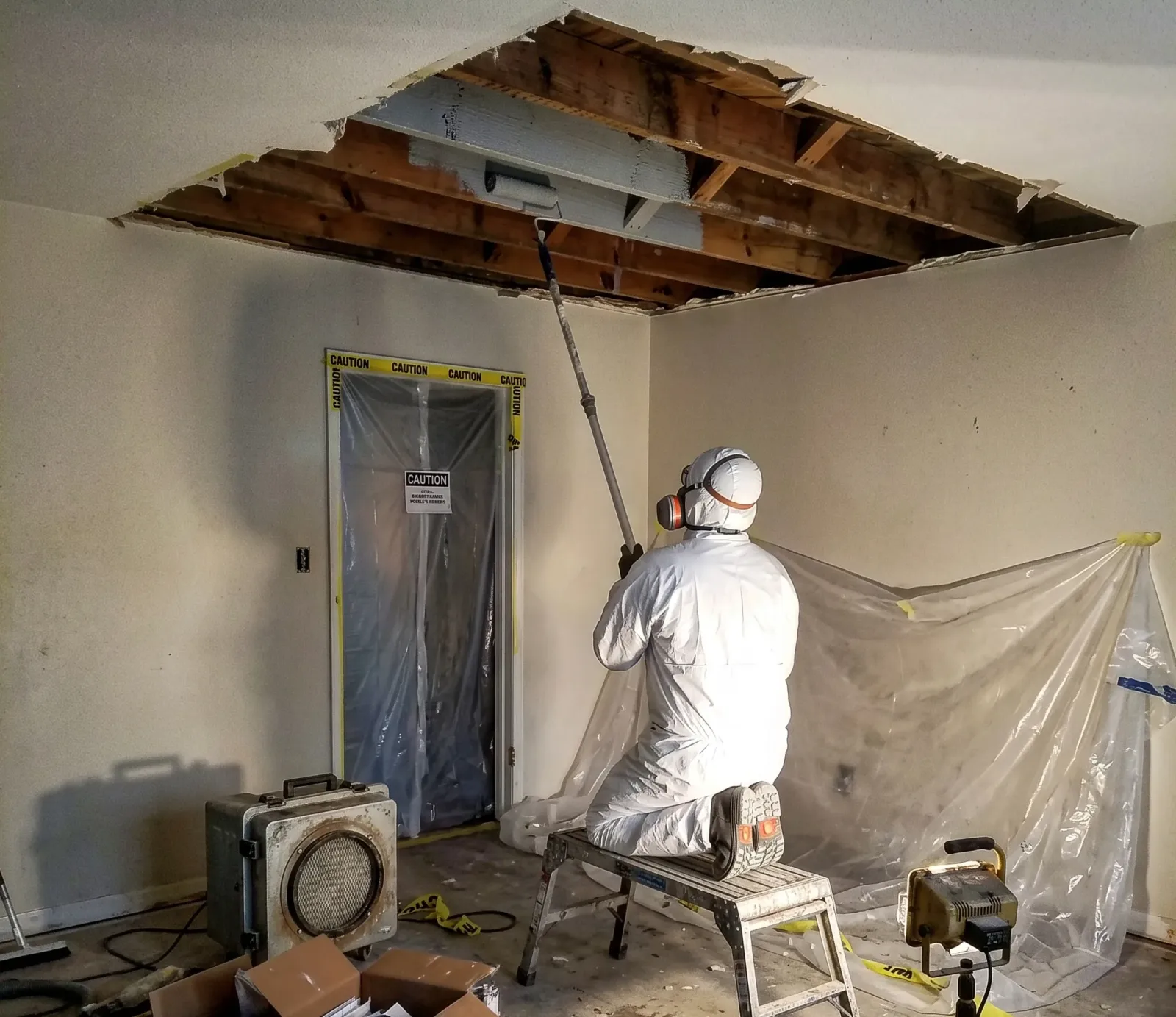
Containment and removal for active mold growth found after a leak or storm
Learn about Mold RemediationYes. Harbor Beach sits between the Intracoastal Waterway and Port Everglades, and the licensed pros we connect you with answer calls from this neighborhood day and night, all year. With seawalls and canal-front lots throughout Harbor Beach, storm surge and heavy tropical downpours can both push water onto a property fast, so response speed matters here.
Harbor Beach is a low-lying peninsula between the Intracoastal and Port Everglades, so canal-front lots see water rise from storm surge or a king tide before heavy rain even starts.
Harbor Beach homes are mostly waterfront, built low and close to the Intracoastal, which means floodwater tends to reach the slab directly rather than pooling somewhere underground first. Once water sits against drywall and flooring near the water table this shallow, drying takes longer, so calling the moment you notice water matters more than waiting to see if it recedes.
Check flooring, baseboards and drywall near canal-facing walls first. If water reached the slab, call before drying on your own — trapped moisture under flooring can spread for days.
Bring your elevation certificate and flood zone paperwork if you have them. They help the licensed pros we connect you with document the claim for your flood or homeowners insurer.
Low streets near the Intracoastal take on water even without a drop of rain, just an ordinary high tide pushing back through the drains. That same water finds its way into garages and ground-floor rooms nearby. Getting it out and the area dry matters as much as any storm cleanup.
Fort Lauderdale runs from Victoria Park down through Harbor Beach and out past Melrose Park, and water damage does not look the same in every part of it. A condo near the Intracoastal floods differently than a bungalow off Sistrunk Boulevard. The licensed pros we connect you with have worked jobs across these neighborhoods and know how slab foundations, high water tables, and canal proximity change the drying plan. Call (954) 910-2507 to describe your street and get a straight answer.
Call (954) 910-2507