A blocked gutter in Fort Lauderdale does not just overflow. Water backs up under the roof edge, runs down the exterior wall, and soaks into stucco and drywall around windows. This shows up in older sections like Victoria Park and Rio Vista, where mature trees drop leaves into gutters year-round. The fix is cheap. The damage it prevents is not.
What A Clogged Gutter Does
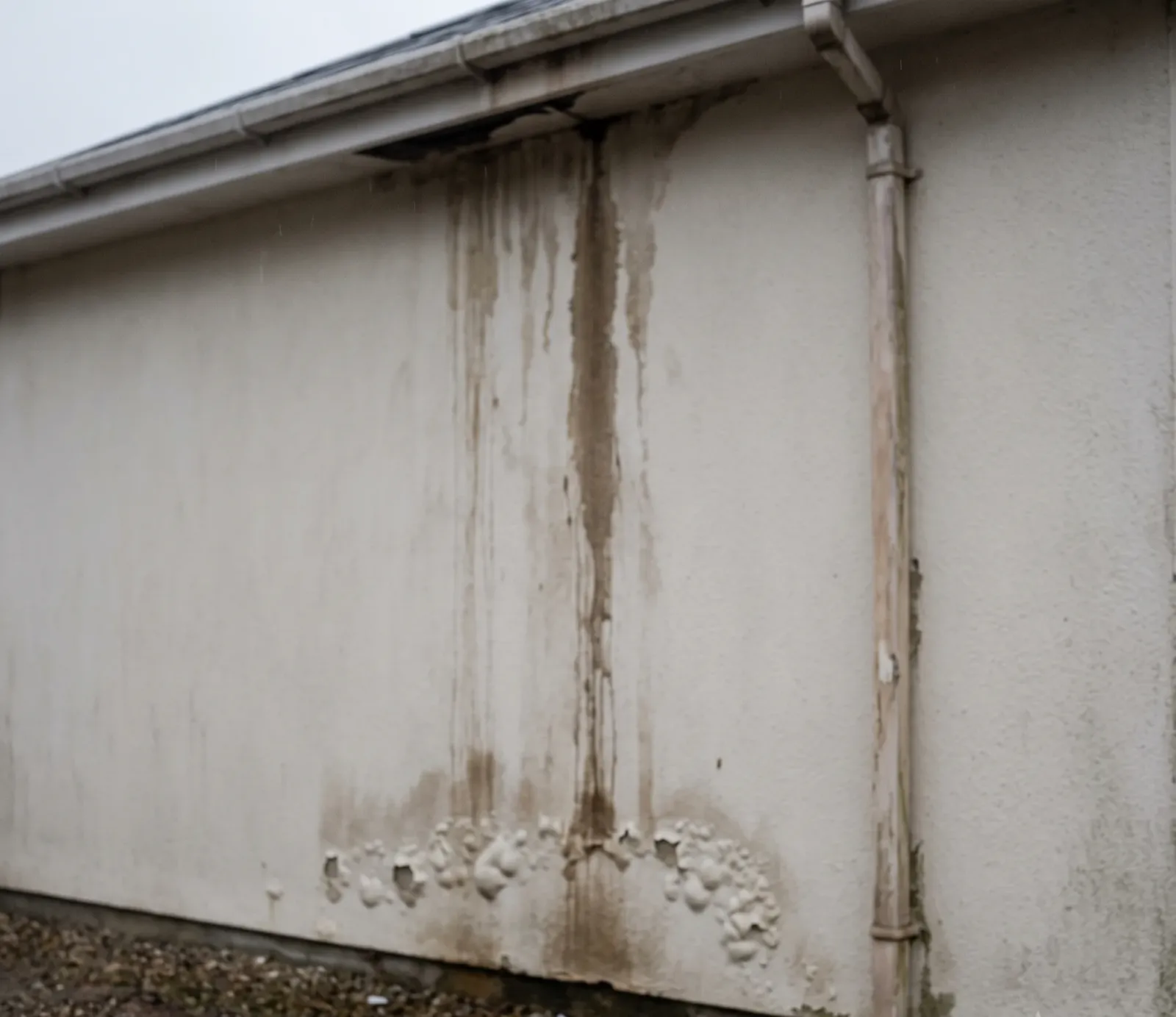
When a gutter fills with leaves and debris, rain has nowhere to go but over the edge. That sheet of water runs straight down the wall next to the gutter, not away from the house. Over weeks, it soaks into stucco, then into the wall cavity behind it. By the time a stain shows up inside, on a wall in Coral Ridge or Imperial Point, the moisture has usually been moving for a while.
Why The Wall Takes The Hit
A clogged gutter sends rain straight down the fascia instead of through the downspout. That water tracks along the wall behind the stucco and finds any gap around windows or trim near Victoria Park and Coral Ridge homes. Because the slab sits close to grade, the runoff pools right where the wall meets the foundation, and it seeps in below the baseboard rather than announcing itself at the ceiling.
Downspout Distance From The House
A downspout that dumps water right against the foundation just moves the same problem a few feet over. Water needs to discharge well clear of the wall so it drains away across the yard instead of soaking straight down next to the slab. This matters most on canal-front lots in Harbor Beach or Idlewyld, where the ground is already close to saturated.
Why Distance Actually Matters Here
Fort Lauderdale's water table sits high and shallow citywide. A downspout emptying next to the foundation adds water exactly where the ground already struggles to drain it away. Pushed a few feet out, that same water spreads across soil and lawn instead of pooling against the slab. It is a small placement decision with an outsized effect on how much moisture ends up against the house.
Reading Your Roofline For Trouble
Walk the outside of the house after a hard rain. Look for water sheeting over a gutter edge instead of falling from the downspout opening. Look for a wet streak on stucco below the roofline, or a soft patch of soil right at a downspout outlet. These are the early signs a gutter or downspout is not doing its job, before a wall ever shows a stain.
The Seasonal Clearing Rhythm
Hurricane season runs June through November here, and that is exactly when tropical downpours arrive fast and heavy. Gutters should be checked and cleared before that season starts, then again partway through if storms have been frequent. A second check after the season ends catches whatever built up during the heaviest months, before the drier stretch gives a false sense that everything is fine.
Trees That Fill Gutters Fast
Neighborhoods with heavier tree canopy, including parts of Coral Ridge Isles and Poinsettia Heights, tend to need more frequent gutter checks simply because there is more falling into them. Seed pods and leaf litter compact faster than people expect, especially after a windy tropical downpour. A gutter that looked clear in spring can be packed solid by late summer.
King Tides Add Ground Moisture
During king tide periods, ground around low-lying streets can already be damp before a single drop falls from the roof. Add an overflowing gutter or a downspout dumping close to the foundation, and a wall that might have handled ordinary rain fine now has two sources of moisture working against it at once. This layering effect is part of why gutter upkeep matters more here than in drier inland markets.
Condo And Townhome Considerations
Condo and townhome owners are not exempt from this. Shared gutters and downspouts on attached units still concentrate water at specific wall sections, and a blockage on one unit's section can send overflow toward a neighboring wall. Anyone in an attached building near Downtown Fort Lauderdale or Flagler Village should know which sections of gutter serve their unit and check them on the same seasonal schedule.
When Wall Moisture Shows Up Anyway
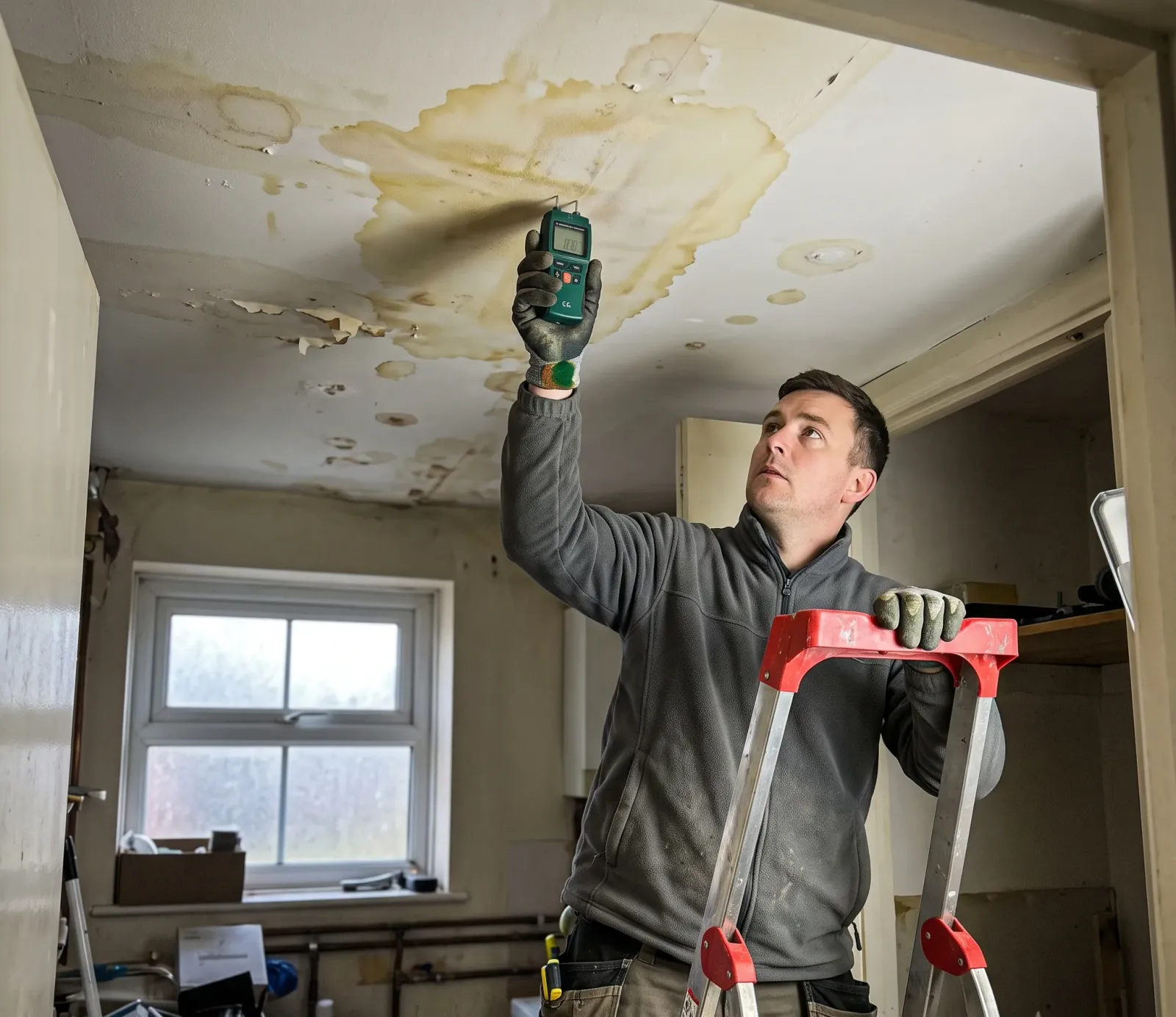
Wait a few weeks after a named storm and the picture changes. Drywall that looked fine after a tropical downpour near the New River can turn soft once moisture keeps wicking up through the slab. A quick look during hurricane season costs nothing next to a wall that has to come out. If baseboards feel spongy or paint near the floor bubbles, that is the slab telling you, not the gutters.
Getting A Second Opinion On A Wall
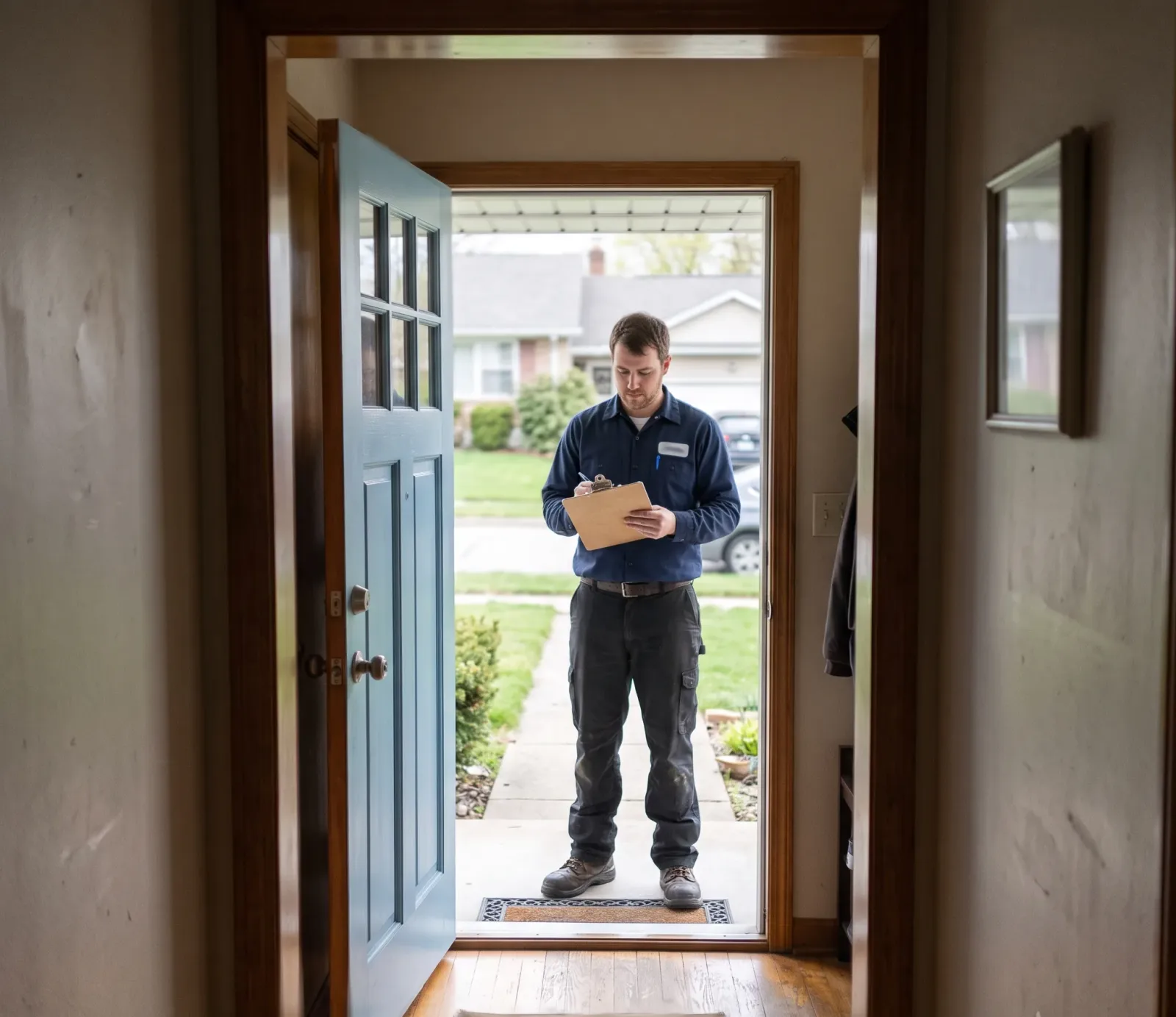
None of this needs a truck or a crew on standby. It needs someone checking the gutters before June and again after the fall storms ease off, and fixing a downspout that dumps water against the wall instead of away from it. If a wall near Coral Shores or Imperial Point already feels damp, the licensed pros we connect you with can check whether it is gutter runoff or something else.
Dealing with this in your home?
Fort Lauderdale sits barely above sea level, so water damage rarely waits for a burst pipe. Tropical downpours and king tides push water across slab foundations in Victoria Park, Rio Vista, and Wilton Manors alike. The licensed pros we connect you with know slab drying takes longer here, since the shallow water table keeps feeding moisture back up from underneath.