If a pipe fails inside a Fort Lauderdale condo, the question of who pays rarely has a one-line answer. The building's master policy and your own unit owner policy split the loss by location, not by fault. This split trips up owners in Coral Ridge high-rises as much as it does in Inverrary. Reading the governing documents before a loss happens saves weeks of arguing after one does.
What the Master Policy Covers
A condo association's master policy generally covers the building itself: the roof, exterior walls, and common elements shared by every owner, like hallways, elevators, and the lobby. In many Fort Lauderdale associations it also covers original fixtures inside the unit, such as the plumbing and drywall the developer installed. What it usually will not cover is anything you added or upgraded after buying the unit.
What Unit Owner Policies Cover
Your own unit owner policy, sometimes called an HO-6 policy, is built to cover what the master policy skips. That includes your flooring, cabinets, paint, and any upgrades over the builder's original finishes, plus your personal belongings. It also typically covers loss assessment, which is the association charging owners for shared damage the master policy did not fully pay. Fort Lauderdale owners near the New River or the Intracoastal often carry higher coverage given storm exposure.
Where Common Areas End
Common elements are the parts of a building every owner shares an interest in, and the association's board is responsible for insuring and maintaining them. A hallway pipe, the roof over a Las Olas Isles building, or a shared irrigation line all fall under the master policy. Once water crosses into your unit's interior, the boundary shifts, and your own policy usually takes over from that point forward.
The Unit Interior Boundary
Most Florida condo bylaws draw the line at the unit interior, meaning the space inside your walls, floors, and ceiling. Some governing documents draw this line at the unfinished drywall; others draw it at the finished surface. This distinction, sometimes called the betterment line, decides whether your paint and flooring are the association's responsibility or yours. Check your specific bylaws in Fort Lauderdale, since wording varies building to building.
Reading Your Governing Documents
Every condo association keeps governing documents, usually the declaration, bylaws, and any board rules, that spell out this division in detail. These documents are not standardized across Fort Lauderdale; a building in Victoria Park may draw different lines than one in Harbor Beach. Before assuming coverage either way, pull your declaration and look for the section on insurance responsibility and unit boundaries.
When a Neighbor's Unit Floods You
If water travels from a neighboring unit into yours, for example a washing machine hose failing one floor up, responsibility often depends on negligence, not just location. Many governing documents make the unit where the water originated responsible for damage it causes to units below. Your association board can usually tell you which policy is expected to respond first, though the final answer often comes down to what both policies actually say.
The Deductible Question
Master policies on Fort Lauderdale condo buildings often carry high deductibles, sometimes tens of thousands of dollars, because they insure an entire structure. If a covered loss falls under that deductible, the association may pass some of the cost to owners through a special assessment. Your own unit owner policy deductible is separate and usually much lower, which is why many owners rely on it first for interior damage.
Loss Assessment Coverage Explained
Loss assessment coverage on your unit owner policy reimburses you if the association bills owners for a shared loss the master policy did not fully cover. This comes up after major events, including the heavy rainfall Fort Lauderdale saw in April 2023, when master policy deductibles or coverage gaps left associations billing unit owners directly. Ask your insurance agent what loss assessment limit your policy carries, since default limits are sometimes too low for a large building.
Why the Board Gets Involved Early
The association board typically has to authorize repairs to common elements and coordinate with the master policy carrier before major work starts. In a Coral Ridge or Imperial Point building, that can mean the board hires the licensed pros we connect you with to handle drying and repair for shared spaces, while each owner separately arranges work inside their own unit. Keeping the board informed early tends to prevent disputes over who authorized what.
Documenting the Damage Yourself
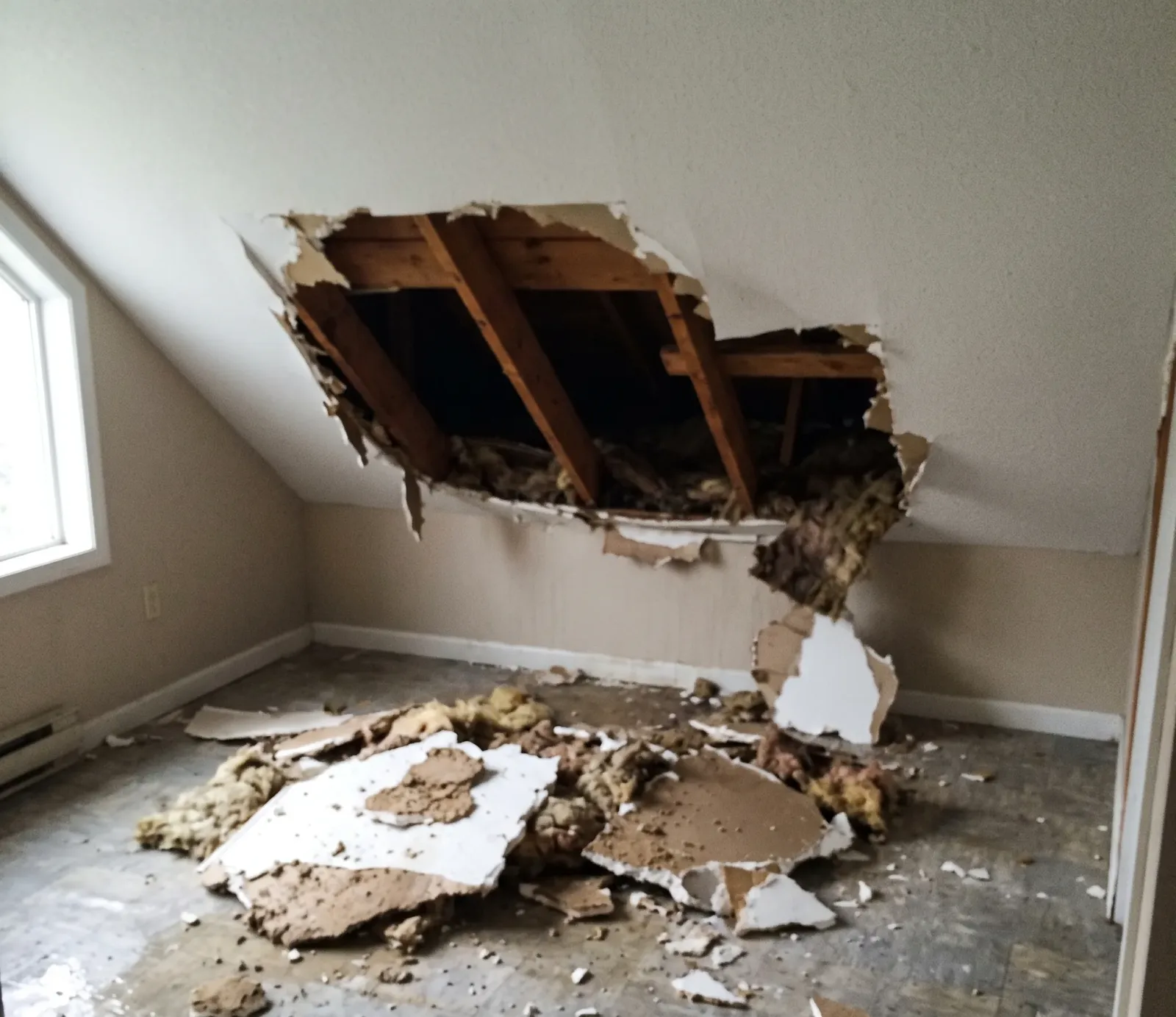
Whichever policy ends up paying, photograph the damage in your unit as soon as you find it, and keep the water contained if it is safe to do so. Note the time you found it and, if you can tell, where the water came from. This record matters whether you're filing under your own HO-6 policy or asking the association to review a claim tied to the master policy.
Getting the Right People Involved
In a Rio Vista or Harbor Beach condo building, the association board files a claim under the master policy for common elements like the roof, exterior walls, and shared pipes. The unit owner policy covers the unit interior, fixtures, and betterments the owner added. When a pipe inside a wall floods a Coral Ridge unit, both policies can end up involved, and a loss assessment sometimes follows if the building's deductible outstrips what the master policy pays.
Dealing with this in your home?
Fort Lauderdale sits barely above sea level, so water damage rarely waits for a burst pipe. Tropical downpours and king tides push water across slab foundations in Victoria Park, Rio Vista, and Wilton Manors alike. The licensed pros we connect you with know slab drying takes longer here, since the shallow water table keeps feeding moisture back up from underneath.