Renting out property in Fort Lauderdale means taking on water damage risks a landlord living in the home would catch faster. A tenant may not notice a slow leak the way an owner-occupant would, and a rental unit can sit with hidden moisture for weeks. Between aging plumbing, air conditioning units that run constantly in this climate, and a reporting delay from the tenant, small problems in a rental property often turn into expensive ones before a landlord ever hears about them.
Why Rentals See More Damage
A rental unit does not get the same daily attention as an owner-occupied home. A homeowner in Rio Vista or Victoria Park notices a musty smell right away. A tenant, especially a new one still learning the lease agreement, may assume a smell or a stain is normal for the rental property and wait to mention it. That gap between something starting and someone reporting it is where water damage grows from a minor repair into a major one.
AC Neglect Is a Leading Cause
Air conditioning runs almost year-round in Fort Lauderdale, and a neglected system is a common source of water damage in rental units. A clogged condensate line or a dirty filter can cause a unit to leak steadily into a ceiling or closet. In an owner-occupied home, ac maintenance often happens on a routine. In a rental, it depends on whether the lease agreement puts that duty on the tenant, the landlord, or a property manager, and gaps between those roles let damage build.
Aging Plumbing Behind the Walls
A landlord's aging plumbing rarely announces itself. A slow joint under a rental unit's kitchen sink can seep for weeks before a tenant notices a soft spot in the flooring. Add a reporting delay, where a tenant waits days to mention a drip out of hesitation or a lease agreement dispute, and deferred maintenance turns into soaked subflooring the property manager only learns about at unit turnover.
The Reporting Delay Problem
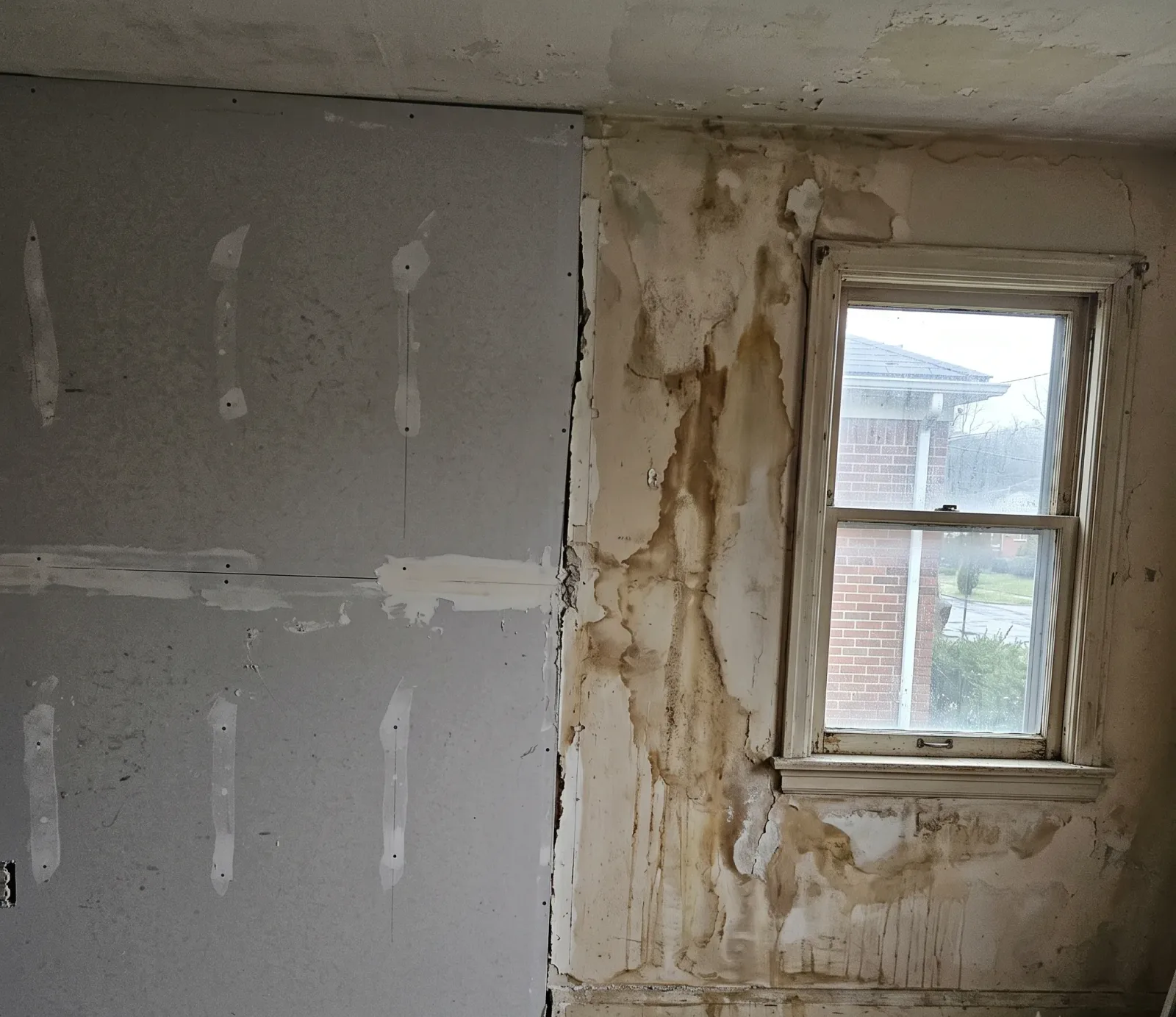
A reporting delay is one of the biggest reasons small leaks become large claims. A tenant may not want to bother the property manager, may not recognize a sign as serious, or may simply be away when a leak starts. Days pass before anyone calls. In that time, moisture spreads under flooring, into drywall, and around fixtures. The longer the gap between damage starting and a landlord learning about it, the more the repair costs.
Vacancy Between Tenants Adds Risk
A vacancy between tenants is its own risk window. With no one in the unit day to day, a slow leak from a supply line, a water heater, or an AC unit can run unnoticed until a property manager does a walkthrough or a new tenant moves in. Landmark Ranch Estates and other lower-density areas around Fort Lauderdale can have longer vacancy stretches between tenants, which stretches out how long an unnoticed leak has to do damage.
Deferred Maintenance Compounds Damage
Deferred maintenance is often a budget decision that turns into a bigger bill later. Skipping a plumbing inspection or putting off a small roof repair near Sistrunk or Sunshine Ranches saves money in the short term. But a rental property with deferred maintenance is more likely to have a small issue turn into standing water, soaked insulation, or damage to a downstairs unit in a multi-family building.
Flat Roofs and Rental Buildings
Flat roofs are common on rental buildings and condo and townhome units across Fort Lauderdale, and a flat roof leak can be harder for a tenant to spot early than a leak on a sloped residential roof. Water can pool after a tropical downpour and find its way in slowly, showing up as a ceiling stain in a unit well after the storm has passed. Without regular inspection, a flat roof leak on a rental building can go unaddressed through more than one storm.
Liability Exposure for Landlords
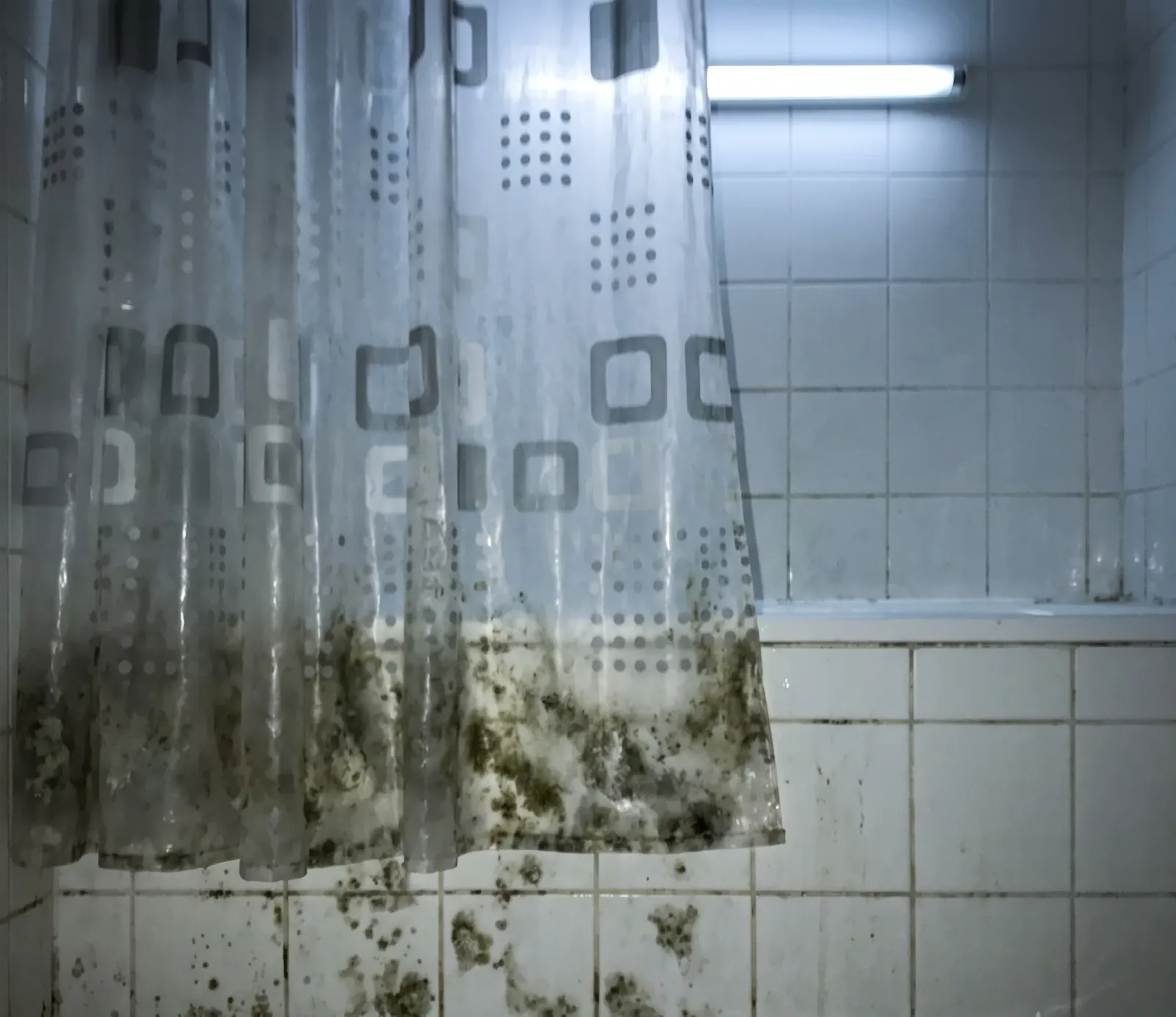
Water damage in a rental property creates liability exposure beyond the cost of drying out the unit. Damage to a tenant's belongings, mold growth from standing moisture, or an extended period where part of the unit is unusable can all become disputes between a landlord and a tenant. A landlord who responds quickly once damage is reported has a very different position than one who let a known issue sit.
The Property Manager's Role
A property manager is often the first line of defense against water damage in a rental unit, since they are the one fielding tenant calls and scheduling repairs. But a property manager overseeing many units across Fort Lauderdale, from Coral Ridge to Lauderdale Manors, can only respond as fast as a tenant reports a problem. Clear instructions in the lease agreement about who to call and how fast to report water issues can shorten that reporting delay.
What Happens After a Storm
Vacancy periods carry their own exposure. Between tenants, nobody is home to catch a failed AC condensate line or a stuck float switch, and Fort Lauderdale's humidity keeps working on an empty rental property regardless of who is watching. A short gap between leases, especially heading into hurricane season, is often when a landlord discovers damage that started long before the unit sat open.
Getting Ahead of the Next Leak
Landlords in Fort Lauderdale carry a different kind of risk than owner-occupants. A tenant may not report a slow leak right away, and by the time a reporting delay ends, aging plumbing or a neglected AC unit has already soaked the flooring underneath. Deferred maintenance between unit turnovers, an empty rental during vacancy, or a lease agreement that leaves AC upkeep unclear all raise liability exposure for the property manager or owner named on the rental property.
Dealing with this in your home?
Fort Lauderdale sits barely above sea level, so water damage rarely waits for a burst pipe. Tropical downpours and king tides push water across slab foundations in Victoria Park, Rio Vista, and Wilton Manors alike. The licensed pros we connect you with know slab drying takes longer here, since the shallow water table keeps feeding moisture back up from underneath.