Fort Lauderdale homeowners notice mold faster than people in drier cities, and the climate is the reason. Warm air near the Intracoastal holds far more moisture than cooler air, and that moisture has to go somewhere. This page walks through why the air itself, the block construction, and the daily heat push mold growth here more than almost anywhere else in the country.
A Humid Subtropical Climate
Fort Lauderdale sits in a humid subtropical climate, with long, wet summers and short, mild winters. Hurricane season runs June through November, but even outside storm season the air stays thick with water vapor most days. That baseline humidity is different from a dry Western city, and it means building materials in Fort Lauderdale are almost never fully dry for long stretches.
Relative Humidity Stays High
Fort Lauderdale sits in a humid subtropical climate, which means relative humidity outdoors often stays above 70 percent for most of the year. Indoors, air conditioning cools the air below the dew point, and moisture collects on cool surfaces as condensation. Concrete block walls, common across neighborhoods like Imperial Point and Coral Ridge, hold that dampness against organic material such as drywall paper and wood trim, giving mold spores a steady place to settle and grow.
Dew Point And Condensation
Fort Lauderdale sits in a humid subtropical zone, so outdoor air already carries heavy moisture most of the year. Run the air conditioning to cool a room and the indoor surfaces drop below the dew point, so household humidity turns to water on cool glass, ductwork and interior walls. Concrete block homes trap that dampness inside the building envelope. Without steady ventilation or a working vapor barrier, that moisture lingers in drywall and other organic material, and spore counts climb.
Concrete Block Homes Trap Moisture
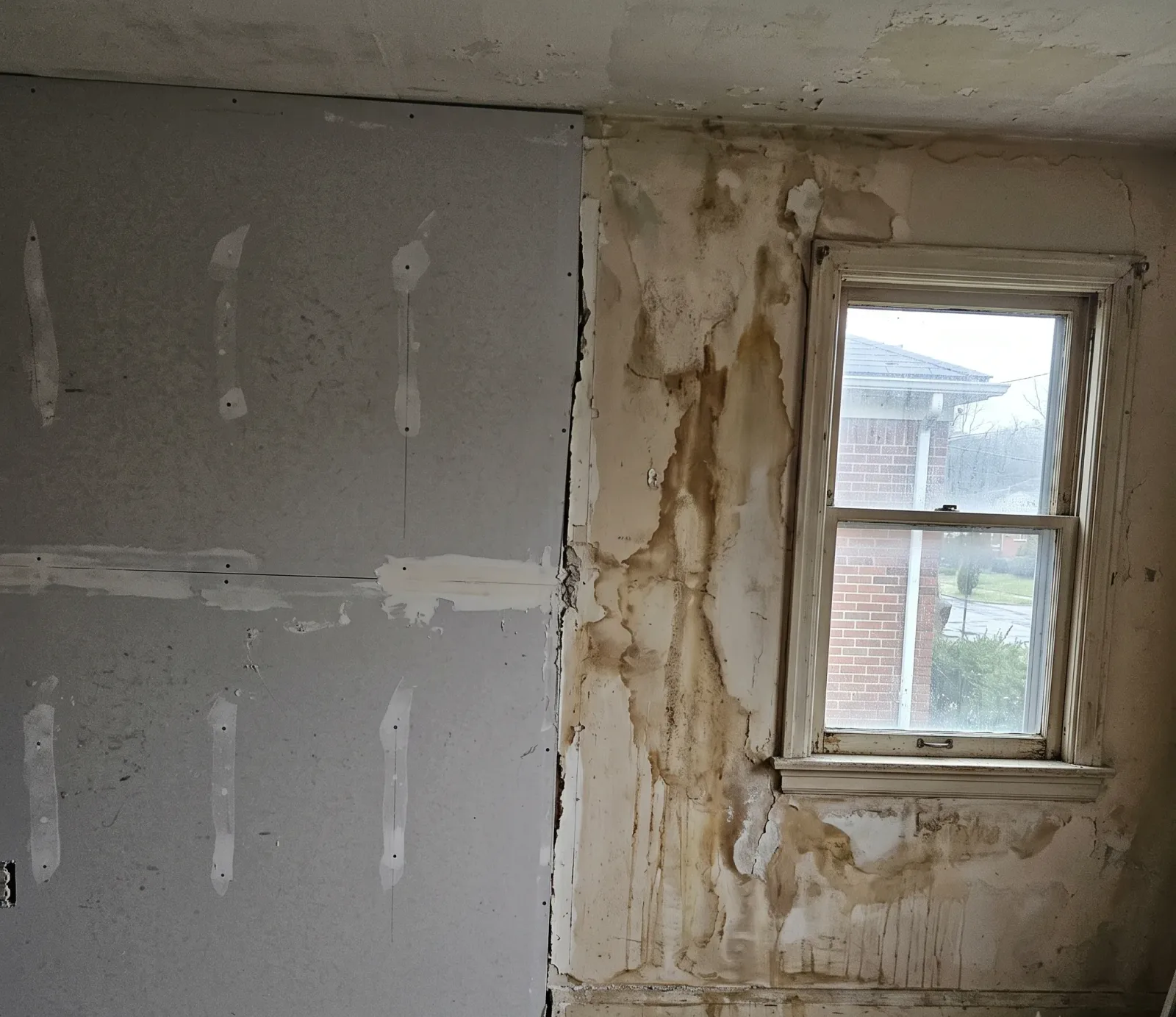
Most homes in Fort Lauderdale are built from concrete block, known locally as CBS construction, set on a concrete slab foundation. Concrete block does not rot the way wood framing does, but it also holds moisture inside its pores longer than people expect. Once a block wall gets wet, from a leak or from humidity working through it, that moisture can stay trapped near the surface where paint and drywall meet it.
Air Conditioning Cuts Both Ways
Air conditioning is what keeps most Fort Lauderdale homes livable, and it also pulls a lot of the moisture out of indoor air. A properly sized, working system is one of the best defenses against mold in this climate. But a system that runs poorly, gets skipped for weeks, or is sized wrong for the home stops removing that moisture, and the same equipment that once protected the house against mold can allow it to return.
Ventilation Inside The Building Envelope
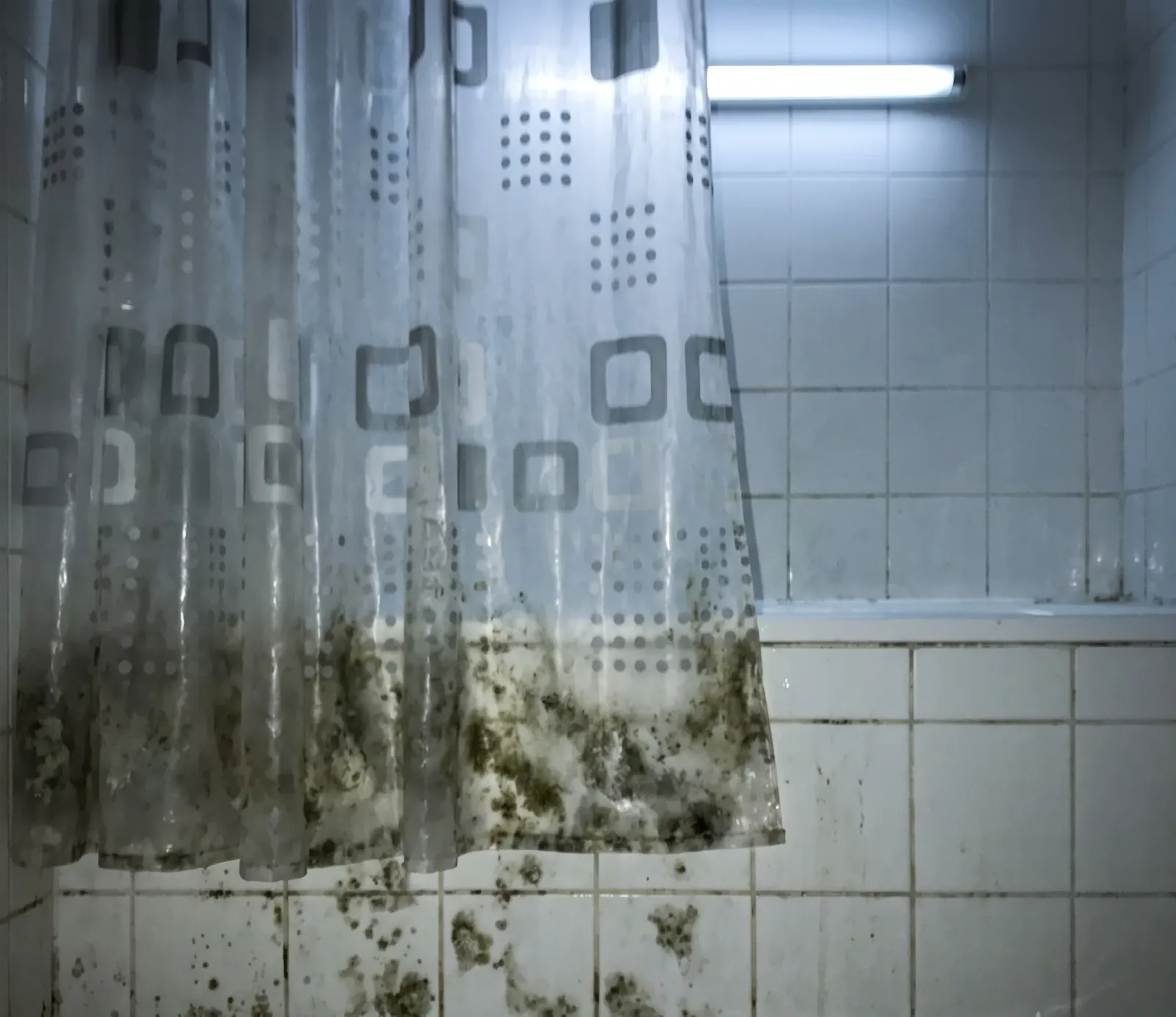
Ventilation is how a building's air envelope exchanges stale, moist air for drier air, and it matters as much as air conditioning does. Bathrooms, laundry rooms, and closets in Fort Lauderdale homes often trap moisture because they get little airflow. Without a path for that damp air to leave, humidity settles into fabric, carpet backing, and closet walls, and mold follows in spaces nobody checks every day.
Organic Material Feeds Spore Growth
Mold needs organic material to feed on, and most homes are full of it. Drywall paper, wood trim, carpet backing, and even the dust that settles on a closet shelf all count. Fort Lauderdale's humidity supplies the moisture side of that equation constantly, so the limiting factor is rarely food for the mold. It is almost always whether moisture has been sitting somewhere long enough.
Storms Add Sudden Moisture Intrusion
Storm season adds moisture intrusion on top of the daily humidity load. A tropical downpour, a king tide pushing water up through storm drains near the Intracoastal, or storm surge in a canal-front yard can soak flooring and drywall in an afternoon. Fort Lauderdale's low elevation, with most of the city under five feet above sea level, means water sits longer here after these events than it would somewhere better drained.
Flat Roofs And Slab Foundations
Relative humidity outdoors in Fort Lauderdale often sits near or above the dew point for much of the year, especially in the wetter months. Indoors, air conditioning pulls that humidity down, but only where it reaches. Closets, garages, and rooms with a unit set too warm stay closer to outdoor conditions. Wherever cool indoor air meets warm, humid air along a wall or window, condensation can form quietly, feeding mold long before anyone notices a leak.
Spore Counts Rise Fast Indoors
Spore count is a rough measure of how much mold material is floating in the air of a given space. Warm, humid conditions let mold colonies grow and release spores faster than in a dry climate, and an enclosed room with poor airflow lets those spores build up instead of dispersing. That is part of why a musty smell in a closet or bathroom in Fort Lauderdale can show up within days of a leak, not weeks.
What A Fort Lauderdale Owner Can Watch
Ventilation matters as much as temperature. Homes with closed-up rooms, blocked vents, or air handlers sized wrong for the space trap moisture instead of moving it out. Add any organic material, drywall paper, wood trim, cardboard stored in a garage, and that trapped moisture has something to feed on. Improving airflow and keeping the building envelope sealed against outside humidity does more for spore counts than most people expect.
Dealing with this in your home?
Fort Lauderdale sits barely above sea level, so water damage rarely waits for a burst pipe. Tropical downpours and king tides push water across slab foundations in Victoria Park, Rio Vista, and Wilton Manors alike. The licensed pros we connect you with know slab drying takes longer here, since the shallow water table keeps feeding moisture back up from underneath.