Fort Lauderdale sits on a slab foundation, close to canals, the New River, and the Intracoastal, so water events happen here more than in many other cities. That history does not disappear when a house goes up for sale. Florida law puts real weight on what a seller knew and did not say. This page walks through the disclosure duty, what counts as a material defect, and where an as-is sale still leaves a seller exposed.
What Seller Disclosure Actually Covers
Florida sellers have a duty to disclose known facts that materially affect a property's value and are not readily observable by a buyer. Past flooding from a storm, a slab leak, or a mold problem behind a wall can qualify. This is not about filling out a specific state form line by line. It is about not staying silent on a fact a Fort Lauderdale buyer would want before closing.
Material Defect Versus Latent Defect
A material defect affects value or desirability in a way a reasonable buyer would care about. A latent defect is hidden, something a normal walk-through inspection would not catch, like moisture trapped behind drywall after a past leak near Sistrunk or Riverside Park. Sellers are expected to speak up about defects they actually know about, especially ones a buyer inspection is unlikely to reveal on its own.
Prior Water Damage and Repairs
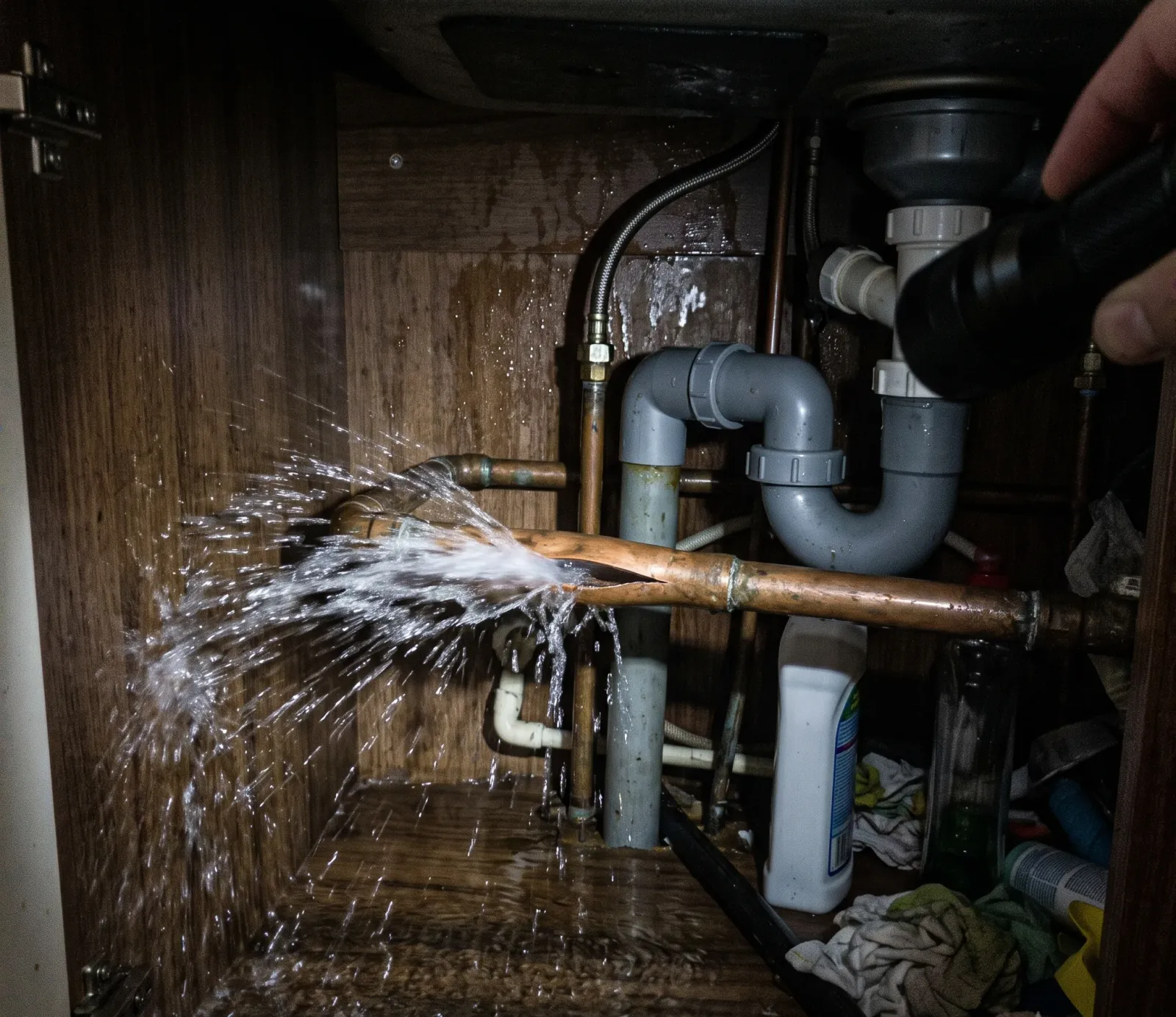
If a home near the Intracoastal or a canal in Harbor Beach or Rio Vista took on water during a storm, that event is part of the property's history, even after full repairs. A seller who knows about it and says nothing is taking on real risk. Buyers increasingly ask directly, and a truthful answer protects the seller far more than staying quiet does.
Mold History and What To Say
Mold that grew after a past leak, even if it was professionally remediated, is part of a home's history worth mentioning. A buyer's own inspection report may not catch mold hidden inside a wall cavity or under flooring. Sellers who know about a past mold issue and disclose it plainly are in a much stronger legal position than sellers who hope an inspector simply misses it.
Why As-Is Does Not Erase Disclosure
An as-is sale in Fort Lauderdale means the seller will not make repairs before closing, not that the seller can withhold known problems. As-is shifts who fixes the issue. It does not shift the duty to tell the truth about known material defects. Buyers still rely on what the seller says, or fails to say, when deciding whether to move forward.
Misrepresentation and What It Risks
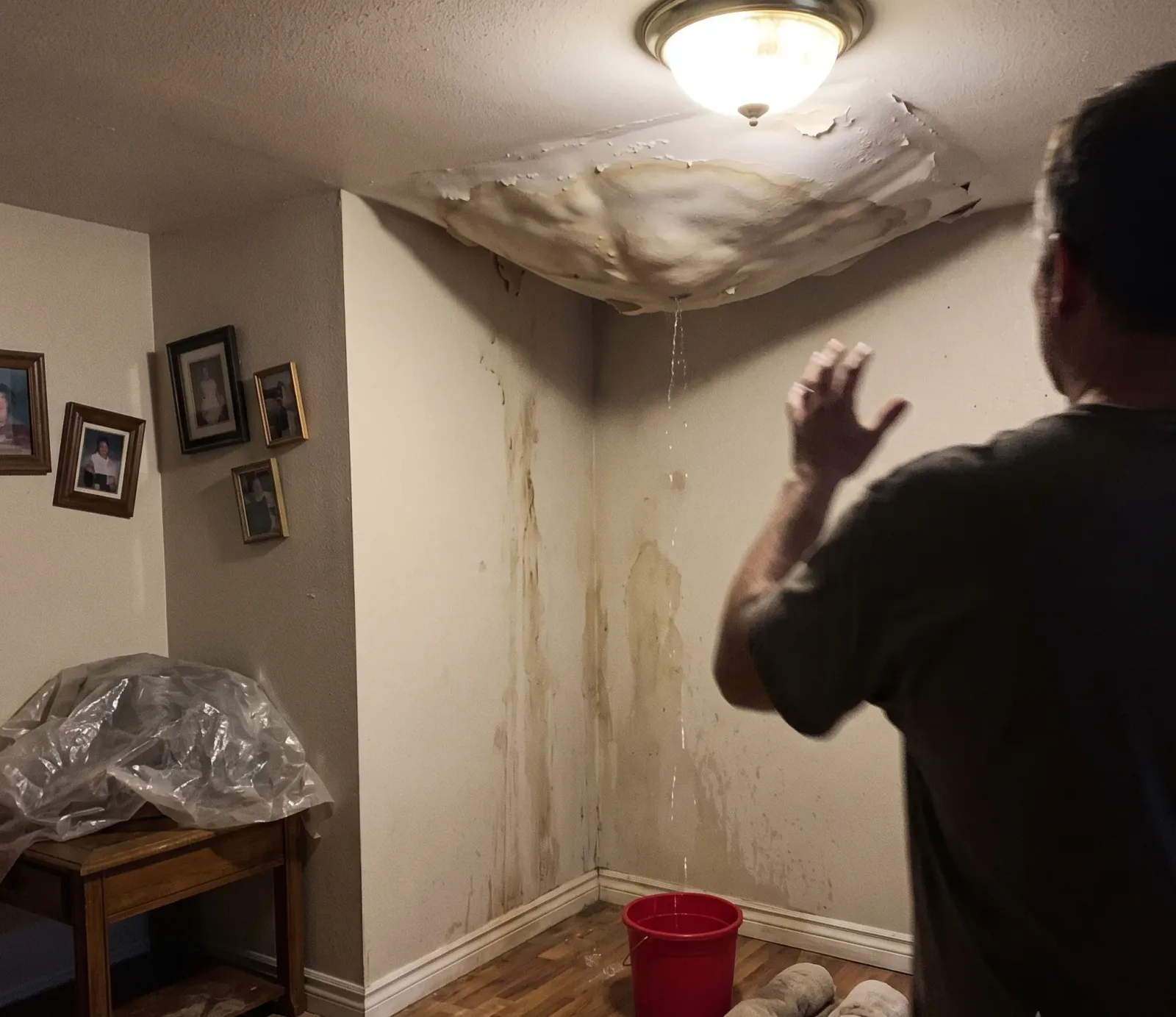
Misrepresentation happens when a seller states something false, or leaves out a known material fact, and the buyer relies on that gap. In a real estate transaction, this can surface well after closing, sometimes when a new owner in Victoria Park or Coral Ridge finds water staining or musty odors the seller already knew about. Honesty at the disclosure stage is simpler than a dispute after the sale.
What Buyer Inspection Can Miss
A standard buyer inspection looks at visible conditions on the day of the visit. It will not always catch a slow leak behind a shower wall or drying that happened after a past storm near Melrose Park or Middle River Terrace. That gap is exactly why seller knowledge matters so much. What the seller already knows often exceeds what any single inspection can find in a few hours.
Documenting Property History Honestly
Keeping records of any past water event, the repair work done, and any mold findings gives a seller something concrete to point to at disclosure time. It also reassures a buyer weighing a home in Coral Shores or near Las Olas Isles against the general flood and storm history of this part of Fort Lauderdale. Clear records tend to keep a sale on track instead of stalling it.
How This Affects Closing
Disclosure problems that surface late can delay or unwind a closing. A buyer who learns about undisclosed past water damage may renegotiate price, ask for repairs, or walk away entirely. Handling disclosure early, before a contract is signed, keeps a Fort Lauderdale sale moving instead of stalling it during the final week before closing.
Condos and Townhomes Are Not Different
The same disclosure duty applies to condo and townhome sellers, not just single-family homes. A unit near Galt Ocean Mile or Sunrise Intracoastal with a past flat roof leak or unit-to-unit water intrusion carries the same disclosure expectations. Association records sometimes document these events separately, which can make past damage easier to trace than in a single-family sale.
Getting the Repair History Straight
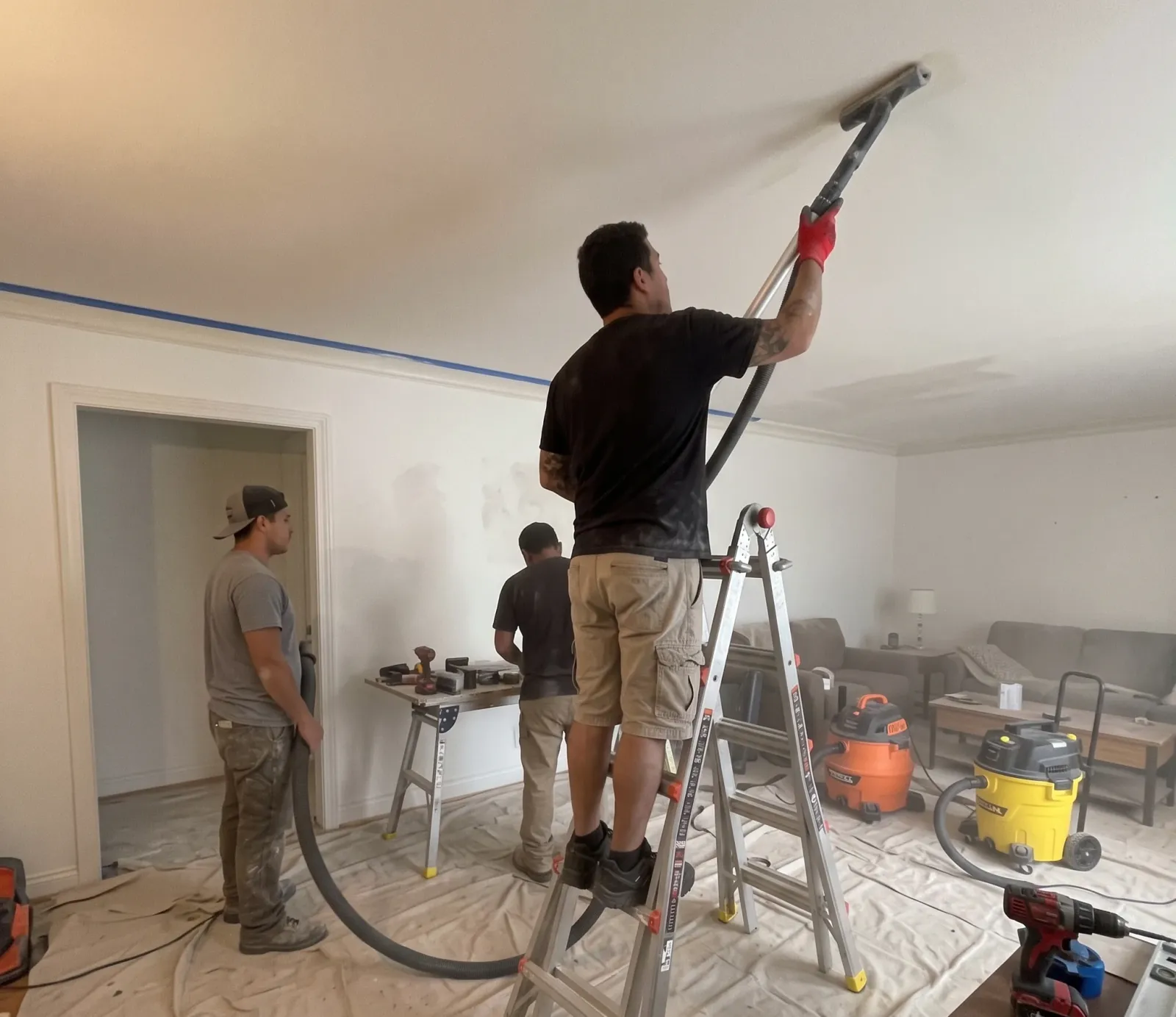
Selling with a past water event on record does not have to be complicated if the history is clear and honestly presented. Knowing what was damaged, what was dried or repaired, and what a mold check found puts a seller in a stronger spot at the negotiating table. The licensed pros we connect you with can provide documentation of past drying and repair work for a Fort Lauderdale property.
Dealing with this in your home?
Fort Lauderdale sits barely above sea level, so water damage rarely waits for a burst pipe. Tropical downpours and king tides push water across slab foundations in Victoria Park, Rio Vista, and Wilton Manors alike. The licensed pros we connect you with know slab drying takes longer here, since the shallow water table keeps feeding moisture back up from underneath.